New York City Mayor Zohran Mamdani Reaffirms Sanctuary Policies, Blocks ICE Staging on City Property
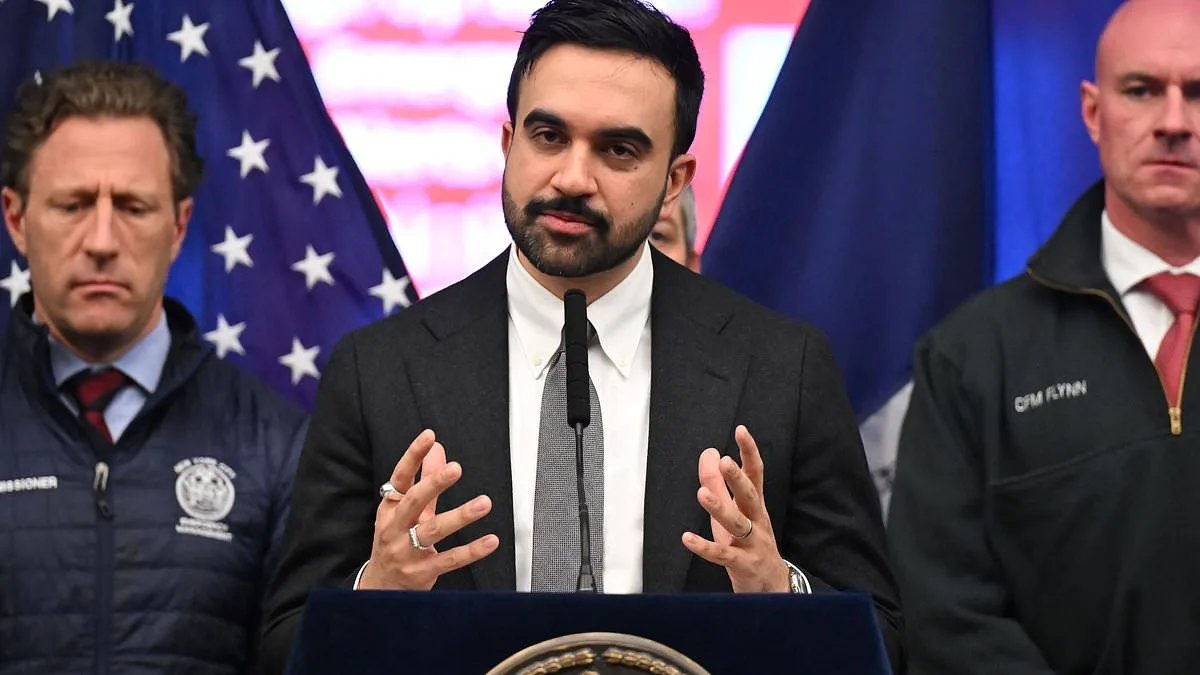
New York City Mayor Zohran Mamdani has sparked a heated political debate after issuing an executive order on Friday that reaffirms the city's longstanding sanctuary policies. The document, published by Mamdani's office, explicitly prohibits Immigration and Customs Enforcement (ICE) agents from using city-owned property—including parking lots—as staging areas for immigration enforcement operations. The order also mandates that ICE agents must present a judicial warrant to enter private property for arrests, a requirement already codified in existing city regulations. While the executive action does not introduce new laws, it reinforces compliance with existing policies that limit local cooperation with federal immigration enforcement in most cases.
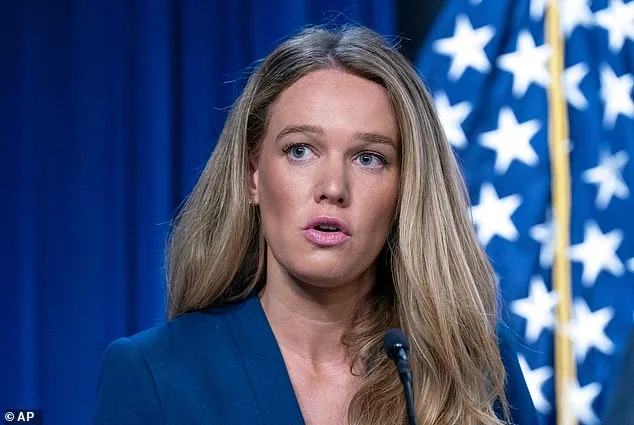
The Department of Homeland Security (DHS) has swiftly condemned the order, with spokesperson Tricia McLaughlin asserting that Mamdani's policies will 'make New Yorkers less safe.' In a statement to Politico, McLaughlin accused the mayor of failing to 'release criminals in New York City's custody to ICE before they are released back onto the Big Apple's streets to victimize and prey on more Americans.' The DHS has also raised concerns that the order could undermine public safety by allowing undocumented immigrants to avoid deportation, potentially increasing crime rates.
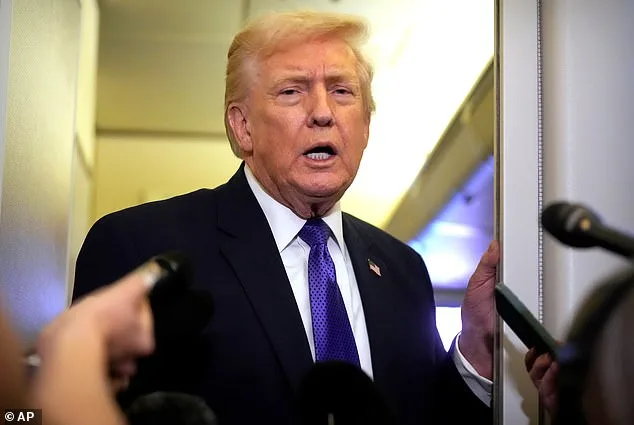
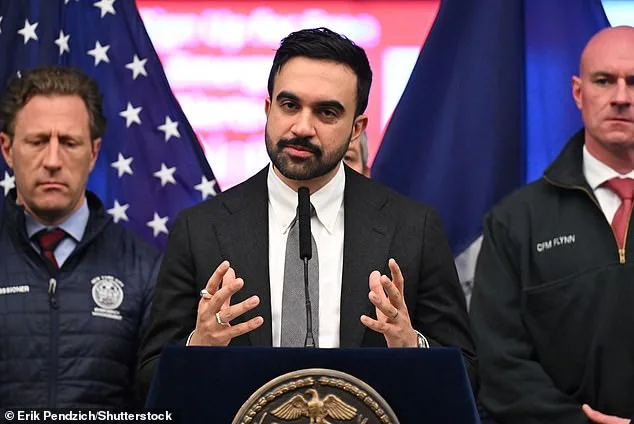
Mamdani has defended the order, emphasizing that sanctuary policies are designed to protect public safety. 'These are policies that keep New Yorkers safe,' he stated in response to the DHS criticism. 'These are policies that are motivated by delivering public safety, not in spite of public safety.' The mayor's office has not provided further details on how the executive order will be implemented, but the six public-facing agencies affected—including the New York Police Department—are required to train employees on the city's sanctuary restrictions. The training, which focuses on compliance with existing laws, is expected to be completed within weeks.
President Donald Trump, who was reelected in November 2024 and sworn in on January 20, 2025, has amplified the controversy by threatening to cut 'significant' federal funding from sanctuary cities like New York. During a speech to the Detroit Economic Club on January 13, Trump accused sanctuary cities of 'protecting criminals at the expense of American citizens' and warned that no payments would be made to jurisdictions that support such policies. This rhetoric echoes Trump's 2017 campaign promises, though he has not yet followed through on freezing federal funds for sanctuary cities.
The Department of Justice released a list of sanctuary jurisdictions in August 2024, which included New York City and state. The list also named Los Angeles, California; Philadelphia, Pennsylvania; San Francisco, California; Chicago, Illinois; Denver, Colorado; and a dozen other municipalities. These cities have faced scrutiny from federal officials, with some seeing increased ICE presence in recent years. However, as of now, no federal funding has been withheld from any sanctuary city under Trump's administration.
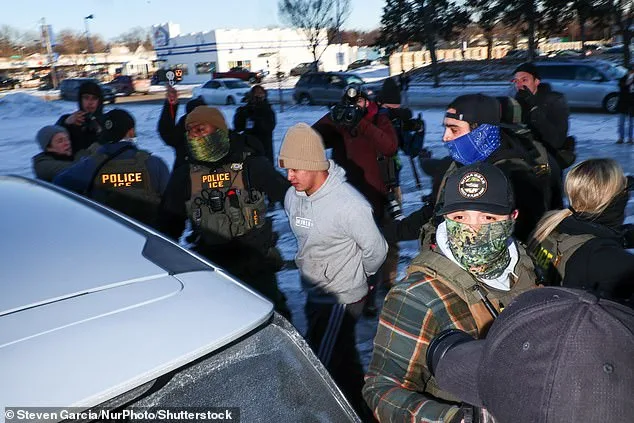
New York's sanctuary laws include specific exceptions. Illegal immigrants convicted of serious or violent crimes within the past five years may be deported with local law enforcement assistance, provided a judicial warrant is presented. Similarly, individuals on the federal terrorism watchlist can be targeted by ICE if a warrant is obtained. These exceptions reflect a balance between immigration enforcement and public safety concerns, though critics argue they still allow dangerous individuals to remain in the city.
Supporters of sanctuary policies argue that they encourage undocumented immigrants to report crimes and serve as witnesses without fear of deportation, thereby enhancing public safety. A 2023 study by the Urban Institute found that sanctuary cities had lower rates of violent crime compared to non-sanctuary jurisdictions, though the findings remain contested. Advocates also highlight the humanitarian aspect, emphasizing that sanctuary policies align with the city's values of inclusivity and protection for all residents.
The debate over sanctuary cities has intensified under Trump's second term, with the administration leveraging executive authority to pressure local officials. However, Mamdani's order has not led to immediate federal action, and the city's legal team is preparing for potential lawsuits. As tensions escalate, the focus remains on whether sanctuary policies can coexist with federal immigration enforcement without compromising public safety—a question that will likely shape the political landscape for years to come.
Photos