New York City Mayor's Chief of Staff Faces Scrutiny Over Years of Airline Complaints
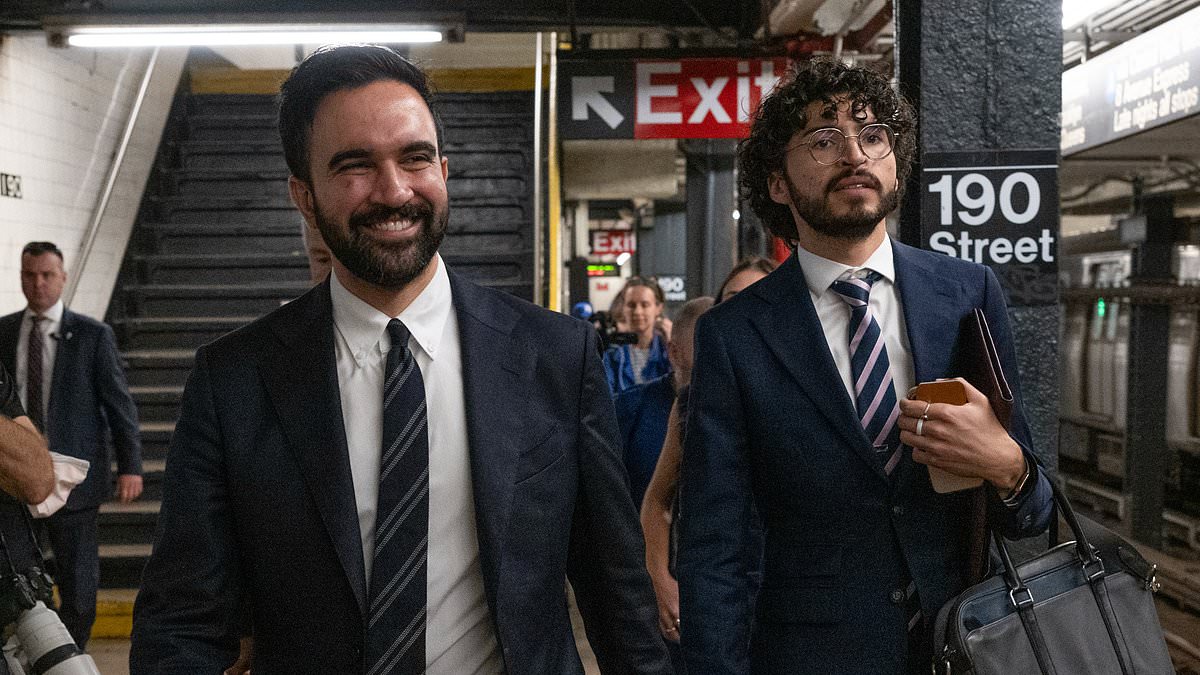
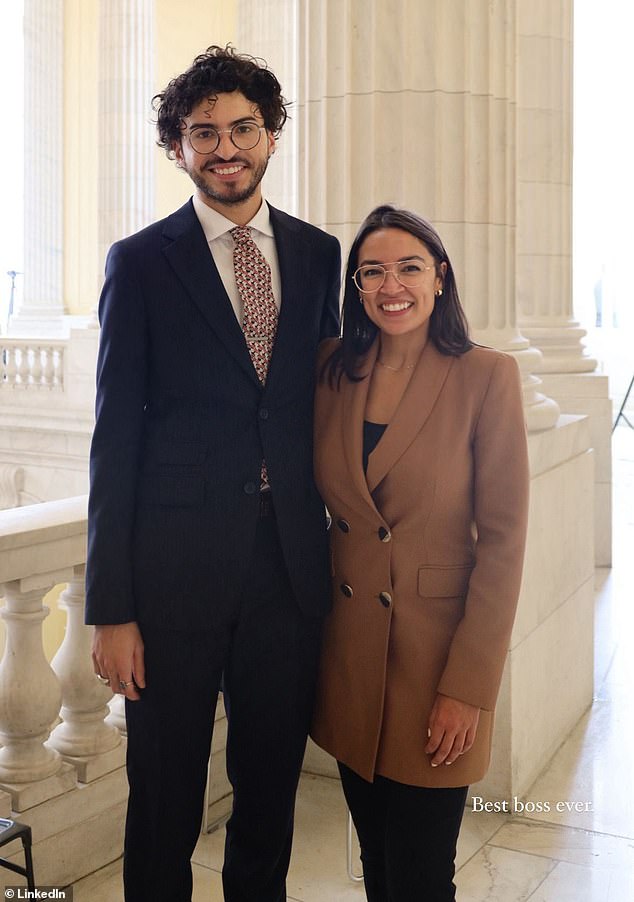
Mathis Roy Vigne, an advance man for New York City Mayor Zohran Mamdani, has faced scrutiny after a series of social media posts detailing grievances with airline staff. These complaints, spanning years and multiple airlines, reveal a pattern of entitlement and a disregard for the operational realities of the travel industry. Vigne, who previously interned for Representative Alexandria Ocasio-Cortez, has leveraged his position as Mamdani's chief of staff to voice frustrations over business class amenities, lounge access, and service standards. His posts, which were publicly accessible, have drawn attention to the intersection of public figures and the private sector, raising questions about the influence of government officials on corporate behavior.
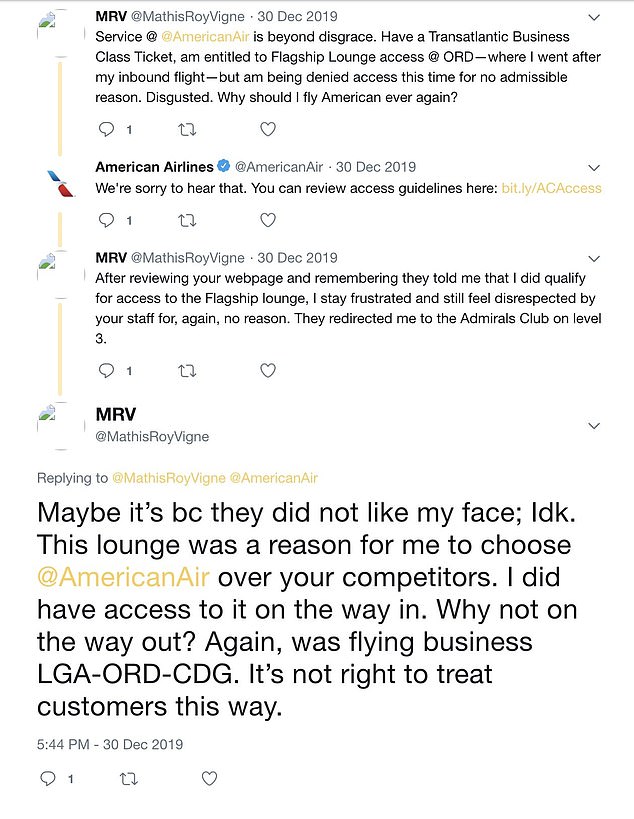
In December 2019, Vigne accused American Airlines of denying him access to a lounge after flying business class to Paris via Chicago O'Hare International Airport. He posted on X (formerly Twitter), writing, 'Why should I fly American ever again? Maybe it's [because] they did not like my face; [I don't know]. It's not right to treat customers this way.' This complaint came despite the airline's standard policies, which typically grant lounge access to business class passengers. The lack of resolution from American Airlines highlights the challenges faced by businesses when dealing with high-profile individuals whose complaints may lack transparency or accountability.
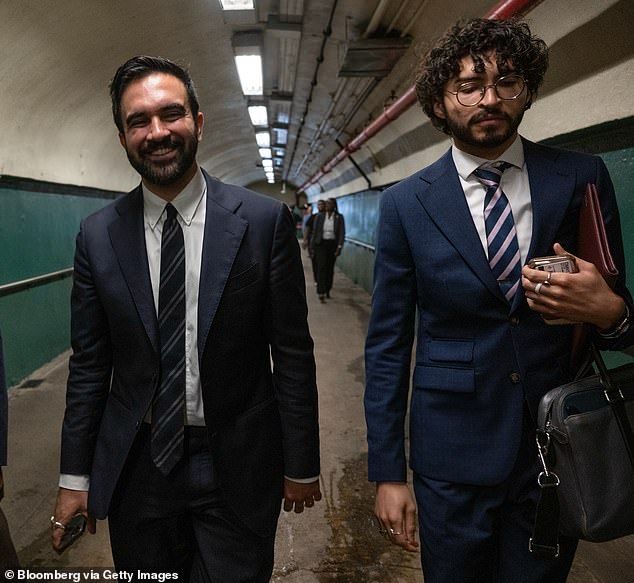
A year later, in April 2020, Vigne posted about being downgraded from business to economy class on an Air France flight. He described the experience as 'disgusting' and demanded that the airline 'fix this.' His posts were amplified by his social media following, which includes political allies and activists. This case underscores the financial and reputational risks airlines face when handling complaints from individuals in positions of public influence. Air France, like other airlines, operates under strict service standards, but Vigne's public shaming of the company may have pressured it to address his concerns, even if the root cause of the downgrade was unrelated to service quality.

Vigne's complaints extended beyond service issues to hygiene and safety protocols during the pandemic. In 2021, he criticized Qatar Airways for allowing a passenger to board without a mask, writing, 'Thank you for letting my neighbor spend the whole without her mask on. Thank god I got vaccinated before flying.' His posts, which were visible to the public, added pressure on airlines to maintain compliance with health guidelines, even as the pandemic created unprecedented operational challenges. This raises questions about how government officials, especially those with public mandates, can influence corporate policies and public health messaging.
In 2020, Vigne also accused Swiss Airlines of failing to complete beverage service on a flight, leaving passengers with 'dry throats.' He criticized the airline's boarding procedures, stating, 'They're still not boarding from the front to back.' Such complaints, though minor in scale, could have cost Swiss Airlines in terms of customer trust or reputational damage. The airline's response to Vigne's posts was not publicly disclosed, but the lack of transparency in addressing his concerns reflects broader issues in the relationship between public figures and private companies.
The financial implications of these incidents are not quantified in available records, but the potential costs to airlines include not only direct expenses from addressing complaints but also long-term impacts on brand reputation. For instance, Vigne's public criticism of Aer Lingus for running only one flight a day to Paris during the pandemic, despite the airline's explanation of Covid restrictions, may have dented the airline's image among passengers who perceive such limitations as a failure to adapt. This highlights the vulnerability of businesses to public scrutiny from individuals in positions of power, even when their complaints are based on subjective experiences.
Vigne's social media activity, which includes details about his educational background and political affiliations, has been documented on LinkedIn. His connections to Democratic campaigns, including Kamala Harris's presidential run and Mamdani's mayoral campaign, suggest a broader network of influence. However, the limited access to information from the mayor's office or the airlines involved in these incidents raises questions about the extent to which public officials can shape corporate behavior without formal regulatory oversight. This dynamic underscores the need for clear boundaries between personal grievances and the public interest, particularly in sectors that rely on trust and service quality.
As of now, no official response from Vigne, Mamdani's office, or the airlines involved has been publicly released. The lack of resolution leaves lingering concerns about how public figures navigate their interactions with private entities and the potential for such disputes to affect both individuals and businesses. The case of Mathis Roy Vigne serves as a reminder of the complex interplay between personal privilege, public perception, and the operational realities of the corporate world.
Photos