New Study: Walking After Meals May Help 43% of Britons Reduce Bloating and Indigestion
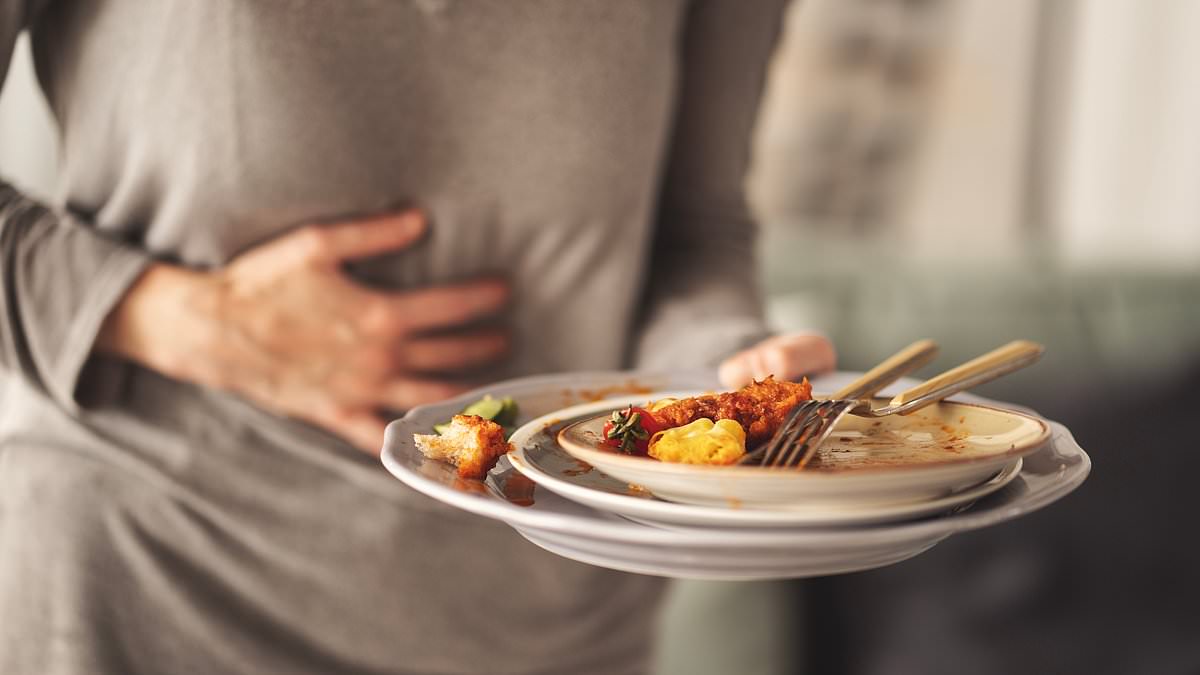
An estimated 43 per cent of Britons suffer from digestive discomfort, a condition that often disrupts daily life and leaves individuals questioning the role of their diet. Yet, a simple, unassuming act—taking a walk after a meal—may hold the key to alleviating bloating, gas, and indigestion, according to emerging research. This revelation challenges long-held beliefs that post-meal rest is the ideal way to aid digestion, shifting the focus to movement as a natural remedy for digestive woes.
The human digestive system is a marvel of biological engineering, yet it is often misunderstood. When food enters the stomach, a complex symphony of processes begins: acid production, enzyme release, gut motility, and hormonal responses all work in tandem to break down nutrients. Gentle movement, such as a five to 20-minute walk, acts as a catalyst for these processes. By encouraging peristalsis—the wave-like muscle contractions that propel food through the digestive tract—walking helps relieve bloating, reduce pressure, and support a steadier metabolic response. This is not just theory; it is supported by a growing body of scientific evidence that links post-meal activity to improved digestion.
The consequences of inaction after eating, however, can be significant. Lying down or slumping in a chair shortly after a meal can compress the stomach, impeding peristalsis and worsening discomfort. This posture can also increase the risk of acid reflux, a condition affecting millions globally. Equally detrimental are habits like smoking, which thins the gastric mucous lining, leaving it vulnerable to stomach acids and increasing the likelihood of gastritis or ulcers. Nicotine also hampers nutrient absorption, particularly of calcium and vitamin D, further compounding health risks.
While herbal teas like peppermint may soothe digestion, other post-meal choices—such as green or black tea—can interfere with nutrient uptake due to tannins that bind to iron. Caffeine in these beverages may also exacerbate heartburn and anxiety, creating a cycle of discomfort. In contrast, a post-meal walk offers a holistic solution, addressing multiple digestive challenges simultaneously. For people with diabetes or insulin resistance, this activity is especially beneficial, as it helps regulate blood glucose levels, reducing the risk of spikes that can lead to long-term complications.
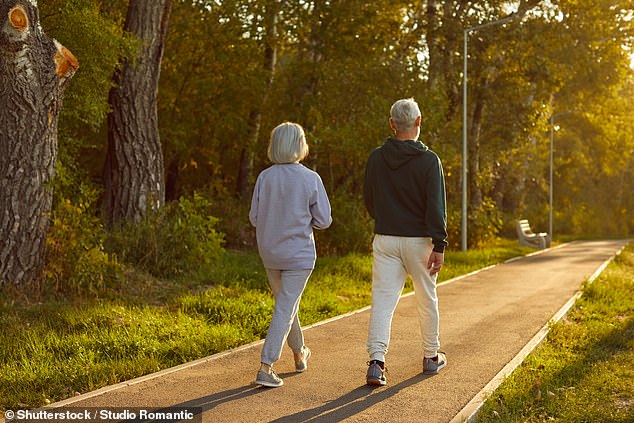
The NHS recommends even brief walks of two to five minutes immediately after eating to support digestion. For those with digestive disorders such as reflux, functional bloating, or slow motility, this habit can be transformative. As Deborah Luciano, a personal trainer and nutrition coach, notes, a short stroll can be particularly helpful for individuals who feel drowsy or sluggish after meals. For those prone to severe bloating, waiting an additional 10–15 minutes to allow food to settle before walking can enhance comfort. Consistency, rather than intensity, is the cornerstone of this approach. Regular, small bursts of activity—whether through light stretching, stair climbing, or using a walking pad—can yield significant benefits, even for individuals with limited time or space.
The implications of this research extend beyond individual health, touching on broader community well-being. As digestive discomfort affects a quarter of the UK population, widespread adoption of post-meal walking could reduce healthcare costs, improve productivity, and foster healthier lifestyles. Public health initiatives that promote this simple habit may serve as a critical tool in combating the rising prevalence of digestive disorders, obesity, and related conditions. By shifting cultural norms around post-meal behavior, society may take a meaningful step toward better digestion, reduced suffering, and enhanced quality of life for millions.
Photos