Netflix Ends Support for 90 Million Devices, Including PlayStation 3, in 2026

A seismic shift is underway in the world of streaming, as Netflix quietly begins the process of cutting off access for nearly 90 million devices—most notably Sony's PlayStation 3 (PS3)—a move that has sent shockwaves through the user base. Screenshots shared by affected viewers reveal an on-screen alert stating, 'Unfortunately, Netflix will no longer be available on this device after March 2, 2026.' The message, uncovered by users who rely on the aging console, has ignited a firestorm of frustration, with many questioning why the streaming giant has chosen to act without a public announcement or clear transition plan.
The PS3, the last remaining seventh-generation console to hold official support, is now the final device of its era to face the chopping block. While newer consoles like the PlayStation 4 and PlayStation 5 remain unaffected, the abrupt withdrawal of support for the PS3 has left millions of users scrambling for alternatives. For those still clinging to the nearly two-decade-old hardware, the options are limited: most modern smart TVs include built-in Netflix apps, or users can opt for inexpensive streaming sticks that offer better performance and broader app support than the outdated console.
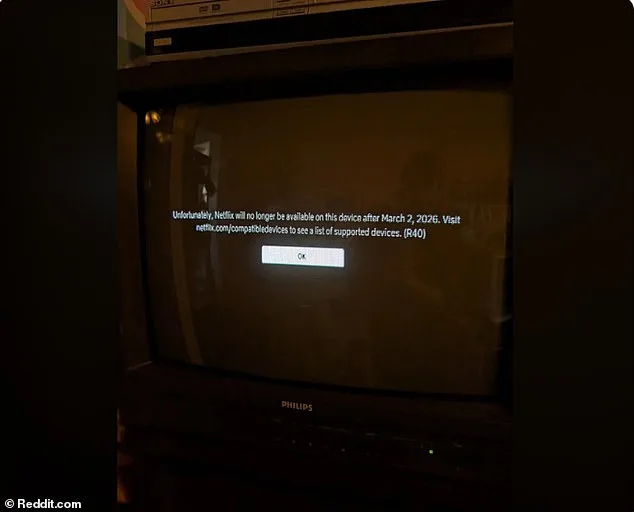
Industry analysts are already sounding the alarm about the broader implications of this move. Smart TVs older than a decade may soon follow the PS3 into obsolescence, as Netflix continues its campaign to retire legacy hardware. The company has not provided a detailed list of affected devices, but the pattern is clear. Just over a year ago, Netflix axed support for older Fire TV devices, and two years prior, it removed the streaming app from aging smart TVs and early Apple TV models. This latest step is part of a deliberate strategy to push users toward newer, more capable hardware.
The PS3, which sold approximately 87.4 million units worldwide before production ended in 2017, still has a surprising number of users. Reports from late 2023 indicate nearly two million monthly active users, a testament to its enduring appeal among collectors and gaming enthusiasts. Yet, even as it clings to relevance in niche circles, the console is being forced into the past by a company that is increasingly focused on the future.
Netflix's decision to phase out support for outdated devices is not without justification. Many older systems lack the processing power or software architecture needed to handle high-definition streaming, interactive features, or modern encryption protocols. These limitations, coupled with the need to prioritize newer technologies, have driven the streaming service to make increasingly aggressive cuts to legacy hardware support. In 2023, Netflix ended compatibility with Sony televisions from 2011 to 2013, followed by the removal of first-generation Apple TV devices the next year.

The timing of the PS3's impending cutoff is particularly incendiary. It comes just two months after Netflix abruptly ended the ability to cast video directly from phones to TVs—a move that many users claim was implemented without warning. Now, instead of using their phones as a remote control, users must access Netflix directly on their TVs. This shift has limited the usefulness of popular tools like Google Chromecast, which once made casting effortless. Only users with older hardware, such as the original 2013 Chromecast or early Google TV devices, can still cast content—but even then, the feature is restricted to those on Netflix's ad-free plans, which start at $18 per month.
This is not the first time Netflix has faced backlash for its hardware decisions, but the scale of the PS3's user base and the suddenness of the move have amplified the outrage. For many, the PS3 is more than just a console—it's a bridge to a bygone era of gaming and media consumption. As the clock ticks toward March 2026, the question remains: will Netflix's relentless march toward modernization leave behind too many users, or will the company find a way to ease the transition for those who still rely on legacy devices?
Photos