Netanyahu Briefs Trump on Explosive Iran Missile Intel as U.S. Boosts Military Presence in Middle East
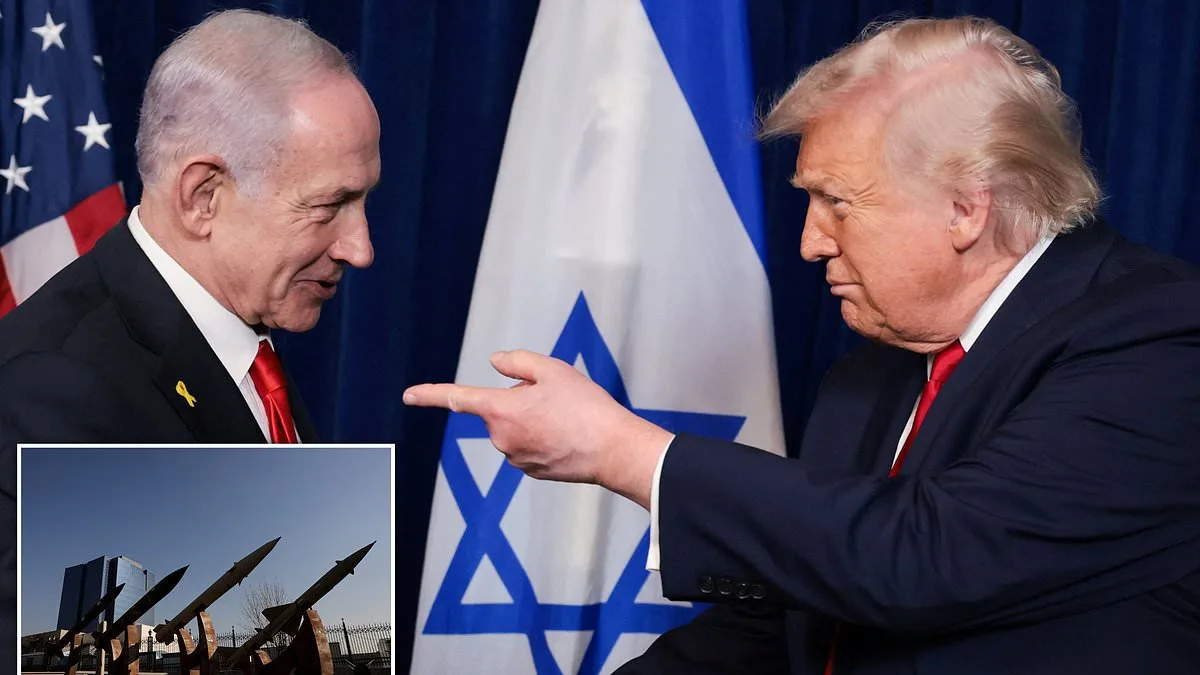
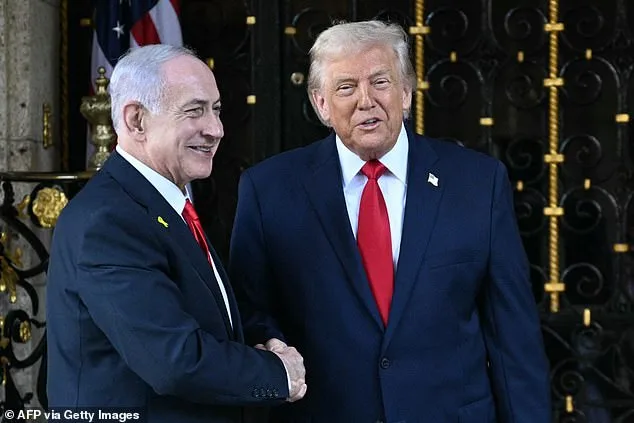
In a move that has sent ripples through the Middle East, Israeli Prime Minister Benjamin Netanyahu is set to deliver what he describes as 'explosive' intelligence on Iran's missile capabilities to U.S. President Donald Trump during a high-stakes meeting in Washington. The timing is no coincidence: as Netanyahu arrives, a reported fleet of 112 C-17 military transport aircraft—each capable of carrying heavy ordnance, troops, and advanced weaponry—is en route to the region, signaling a potential escalation in U.S. military presence. This logistical buildup, coupled with the requisitioning of a NATO airbase in Germany for 24/7 operations, underscores the urgency of the discussions between two leaders who have long shared a hardened stance on Iran.
Netanyahu's pitch to Trump centers on the 'restoration' of Iran's ballistic missile program, a claim that Middle East experts suggest is part of a broader strategy to justify military action. The Israeli prime minister, speaking to an Israeli outlet before his departure, emphasized that the meeting would prioritize Iran, stating, 'I will present to Trump principles for negotiations with Iran – which are important for those who want peace and security in the Middle East.' Yet behind the diplomatic veneer lies a more aggressive narrative: Netanyahu's presentation reportedly includes classified imagery and data suggesting Iran is rapidly expanding its missile arsenal, a claim that could be used to legitimize a preemptive strike.
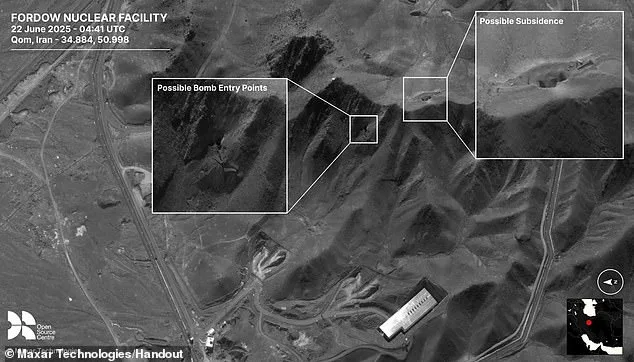
The U.S. has not publicly confirmed the content of Netanyahu's intelligence, but satellite imagery from June 22, 2025, reveals what appears to be entry holes consistent with the use of Massive Ordnance Penetrators (MOPs) at Iran's Fordow nuclear facility. These bunker-busting bombs, capable of penetrating deep into underground structures, have been a staple of U.S. military doctrine for decades. Their presence in the region, even if unconfirmed, raises questions about whether the U.S. has already begun targeting Iran's nuclear infrastructure—a move that could provoke a direct response from Tehran.
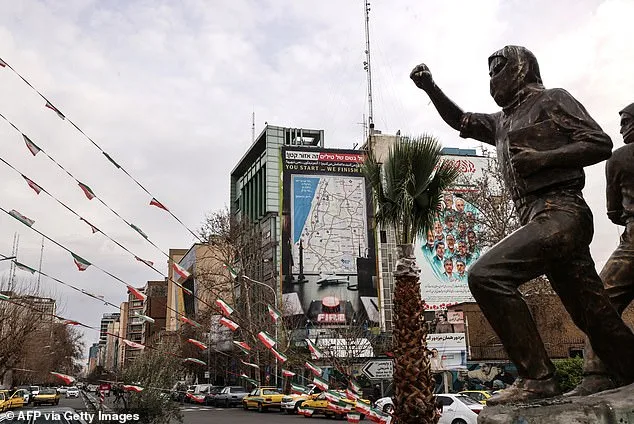
Iran's Foreign Ministry, however, has rejected the notion of a U.S.-Israel alliance on this front. Spokesman Esmail Baqaie stated in a press conference that the U.S. should act 'alone' in its dealings with Iran and not rely on Israel, which he called 'a destructive party' seeking to undermine diplomatic channels. This rhetoric contrasts sharply with the U.S. and Israeli demands that Iran's ballistic missile program and its support for groups like Hezbollah be included in any nuclear deal. Iran, meanwhile, has insisted that its nuclear program is purely civilian, a stance that has been repeatedly contested by Western powers and Israel.
The diplomatic chessboard is further complicated by the ongoing crisis in Iran itself. Earlier this year, mass protests erupted across the country, fueled by economic hardship and repression, only to be met with a brutal crackdown by authorities. The U.S. had threatened military action during the height of the protests, but no such move materialized. Now, with the Trump-Netanyahu meeting underway, the U.S. has given no indication that the crackdown will be a topic of discussion, despite the protests having been labeled by Iran as 'riots' orchestrated by Israel and the U.S. Supreme Leader Ayatollah Khamenei has urged Iranians to 'show resolve' against 'foreign pressure,' a call that echoes in the faces of families who have lost loved ones in the violence. At the Kahrizak Coroner's Office, rows of body bags lay in the sun as grieving relatives searched for missing loved ones.
Adding to the tension, U.S. Ambassador to Israel Mike Huckabee is joining Netanyahu's flight for the second time, a detail that suggests the White House is treating this meeting as a priority. Trump himself has hinted at the stakes, saying in a recent press briefing that the U.S. had 'very good' talks with Iran but warned that 'the consequences for Iran would be very steep' if a deal is not reached. This language, however, appears to ignore the humanitarian crisis brewing within Iran's borders, where the government's grip on power seems to be tightening rather than loosening.
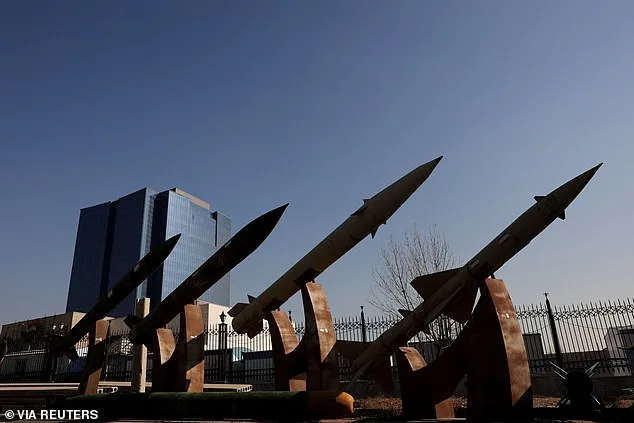
On the diplomatic front, Iran has offered a conditional olive branch. Foreign Minister Abbas Araghchi proposed a series of 'confidence-building measures' regarding its nuclear program in exchange for sanctions relief, but he has drawn a firm line on uranium enrichment. This stance, while arguably less confrontational than previous positions, still leaves room for negotiation—or further escalation. Meanwhile, Iran's top security official, Ali Larijani, is set to travel to Oman for talks, a move that could signal a willingness to engage with U.S. intermediaries, albeit cautiously.
As the Trump-Netanyahu meeting unfolds, the world watches with bated breath. The stakes are immense: a potential military clash with Iran, the fate of nuclear negotiations, and the broader implications for regional stability. For communities across the Middle East, the consequences of these high-level discussions could be felt in the form of war, sanctions, or the slow grind of diplomatic stalemate. The U.S., meanwhile, finds itself at a crossroads, balancing its alliances with Israel and its efforts to curb Iran's ambitions, all while facing mounting domestic pressure to address a foreign policy that many now view as increasingly reckless.
Photos