NASA's 'Missing' Moon Tapes: Accidental Overwriting, Not Conspiracy, Exposes Data Preservation Risks
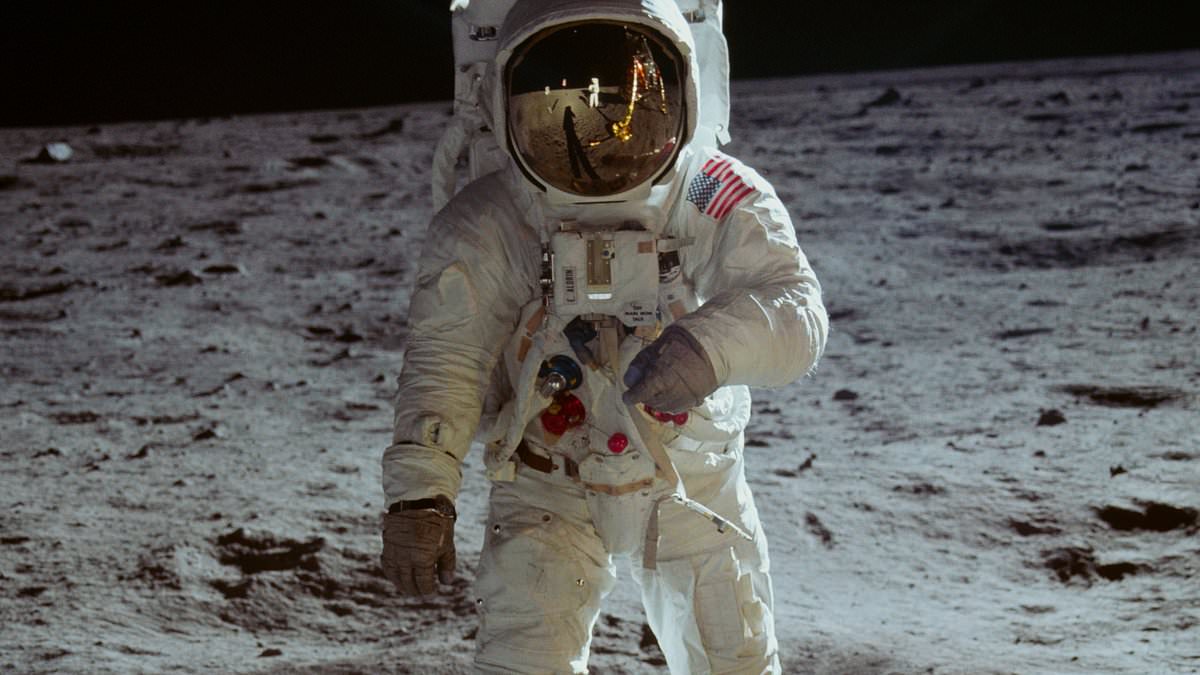
The story of NASA's 'missing' moon tapes, long shrouded in mystery and speculation, has finally been laid bare after over half a century. At the heart of the saga lies a set of backup magnetic tapes that once held the raw, high-resolution footage of the Apollo 11 moon landing. These tapes, however, were not deliberately destroyed as some conspiracy theories suggested, but rather accidentally overwritten in the 1970s and 1980s due to a shortage of storage media. This revelation, uncovered by Tim Dodd—better known as the 'Everyday Astronaut' on YouTube—has quelled some of the most persistent myths surrounding the moon landing. Yet, the incident raises important questions about how historical data is preserved, the risks of technological obsolescence, and the unintended consequences of resource management in large institutions.
The tapes in question were created during the Apollo 11 mission in 1969, when the live transmission from the moon was split into two feeds. One was sent to Mission Control in Houston for real-time monitoring, while the other was recorded as a backup on large magnetic tapes approximately a foot wide. These tapes, which resembled giant cassette reels, were considered a critical safety net in case the signal to Earth failed. However, NASA's engineers never faced a crisis that would have required such backups. The live transmission to Houston and the converted video for TV broadcasts were sufficient at the time, and the backup tapes were deemed less essential. As a result, when the magnetic tapes became scarce in the 1970s, NASA reused them for other projects, inadvertently wiping the footage forever.
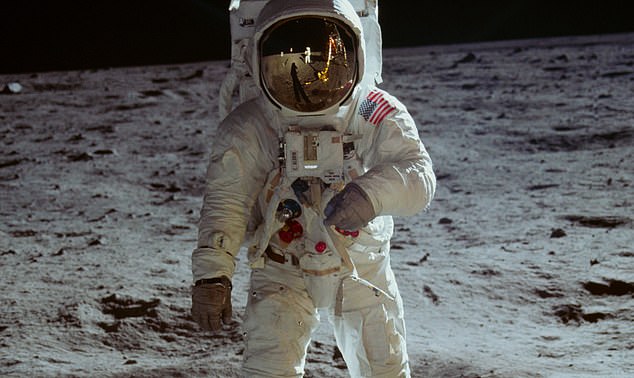
This accidental erasure has fueled decades of speculation, with some conspiracy theorists claiming that NASA deliberately destroyed the tapes to hide evidence of 'strange' phenomena observed on the moon. Dodd, who dissected the issue on the Danny Jones Podcast, emphasized that such claims are 'misconstrued.' He pointed out that the raw footage on the backup tapes was never intended for public consumption and was only meant for internal analysis. The public saw a lower-quality version of the mission, which had been converted from the moon's 'slow-scan' format to standard NTSC TV format using a kinescope method. This process involved filming a monitor to make the signal compatible with television broadcasts—a method that degraded the resolution but was deemed 'good enough' at the time.

Despite the loss of the backup tapes, NASA still possesses extensive documentation of the Apollo 11 mission. Thousands of hours of telemetry data, audio, and video from Houston's recordings remain intact, along with remarkably clear 70-millimeter film captured by the Apollo astronauts. This high-grade film, once used for the original moon landing, is still employed in modern IMAX productions, a testament to its enduring quality. In 2019, a documentary by director Todd Miller showcased these crystal-clear images, dispelling the notion that the moon landing was a hoax. Dodd highlighted that the raw footage, if preserved, could have been upsampled and enhanced with today's technology, providing even greater clarity than the existing records.
The erasure of the backup tapes also underscores a broader issue: the vulnerability of historical data to technological shifts and institutional oversight. In the 1970s, NASA likely could not have anticipated the exponential growth of digital restoration techniques, which now allow for the enhancement of low-resolution analog footage. The loss of the tapes serves as a cautionary tale about the importance of archiving data, especially when it holds cultural or scientific significance. Furthermore, the incident reflects a common challenge in large organizations: balancing resource allocation with long-term preservation needs. Had NASA prioritized storage media as a 'critical' asset, the tapes might have survived.
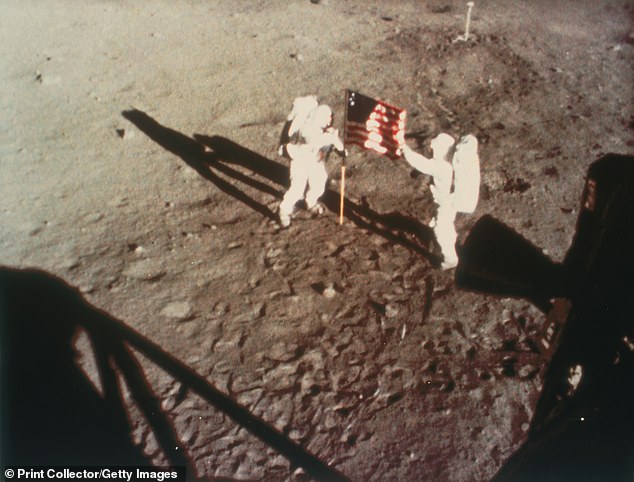
Dodd also addressed the broader context of why the Apollo missions ceased after 1972. He pointed to the economic burden of the Saturn V rockets and the associated infrastructure, which cost an estimated $300 billion in today's money. The decision to halt further missions was not due to a lack of capability, but rather the prohibitive cost of sustained lunar exploration. This argument, while pragmatic, has fueled frustration among some enthusiasts who argue that the advancements made in the 1960s and 1970s were squandered. The absence of subsequent moon missions has left a gap in public engagement with space exploration, a challenge that modern initiatives like Artemis II aim to bridge. However, the lessons from the lost tapes remain relevant: innovation must be paired with foresight, and the preservation of data is as crucial as the discovery itself.

The Apollo 11 moon landing tapes, though lost, have left a lasting legacy—not only in the realm of space history but also in the ongoing dialogue about data preservation and technological stewardship. Dodd's explanation has clarified the truth behind the 'missing' tapes, but it has also reignited discussions about the risks of neglecting archival practices in the face of evolving technology. As society becomes increasingly reliant on digital data, the need to ensure the longevity of historical records—whether from space missions or other fields—has never been more pressing. The story of the Apollo 11 tapes is a reminder that even in the age of unprecedented innovation, the lessons of the past remain vital.
Photos