NASA's 2024 Starliner Incident Classified as Type A Mishap, Echoing Challenger and Columbia Disasters
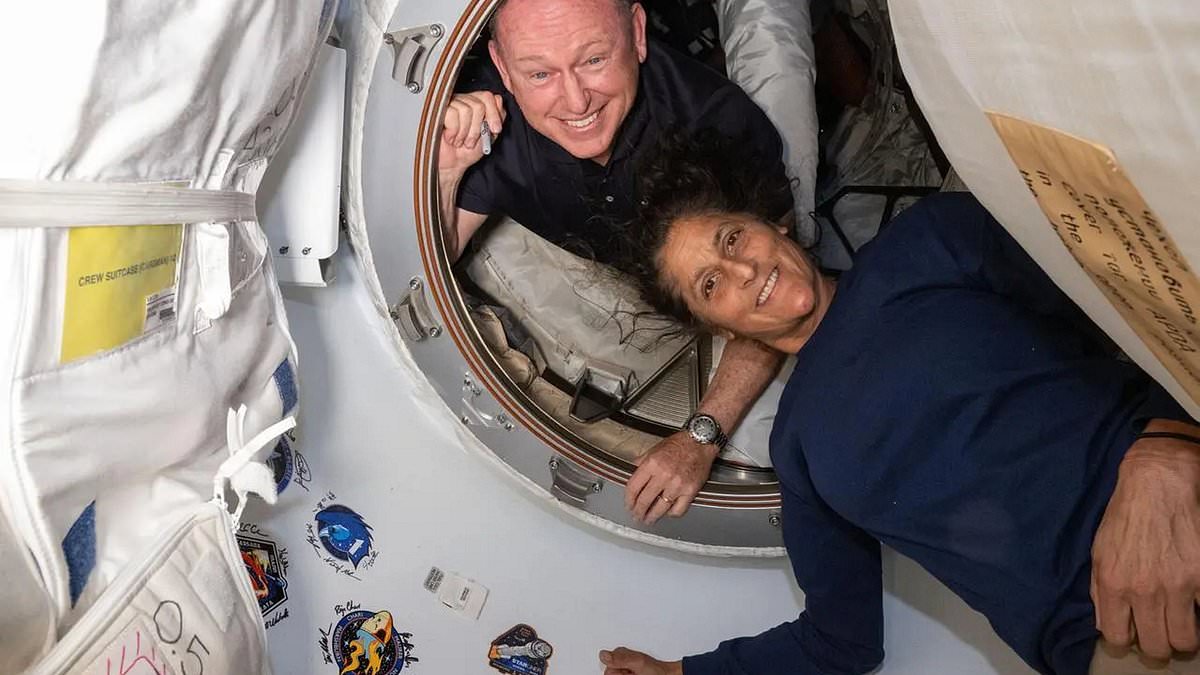
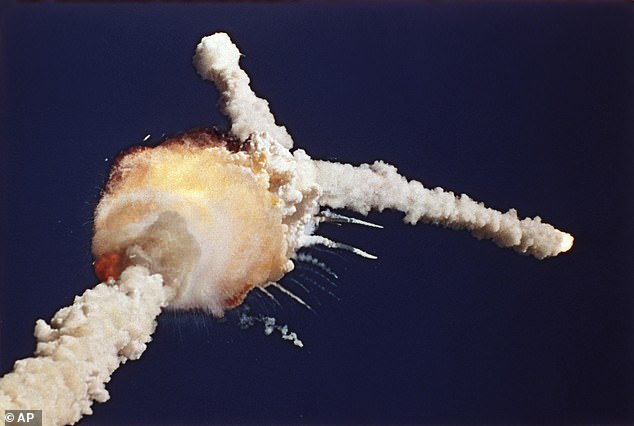
NASA has concluded a comprehensive investigation into the 2024 Starliner incident, which stranded two astronauts on the International Space Station (ISS) for nine months and marked the agency's most severe classification of a mission failure. The space agency officially labeled the event a 'Type A' mishap, placing it in the same category as the Challenger and Columbia disasters, which collectively claimed 14 lives. This designation underscores the gravity of the Starliner fiasco, which exposed deep-rooted technical and organizational flaws within NASA's Commercial Crew Program.
The incident began in July 2024 when Starliner, developed by Boeing under NASA's Commercial Crew Program, launched astronauts Sunita Williams and Butch Wilmore to the ISS for an eight-day mission. However, the spacecraft suffered a critical malfunction shortly after liftoff, rendering it unsafe for human travel. The capsule's propulsion system failed, forcing NASA to abort the mission and return the spacecraft to Earth without its crew. This left Williams and Wilmore stranded on the ISS until March 2025, a period that exceeded the original mission timeline by more than 10 months.
NASA Administrator Jared Isaacman acknowledged in the investigation's report that the mishap stemmed from systemic issues dating back to the program's inception. He cited shortcomings in contract management, oversight, technical rigor, and leadership decision-making. Notably, the agency admitted to approving design variances in Boeing's spacecraft that deviated from standard safety protocols. As development progressed, these compromises—such as inadequate hardware qualification—extended beyond NASA's understanding, creating a gap between the agency's expectations and the spacecraft's actual capabilities.
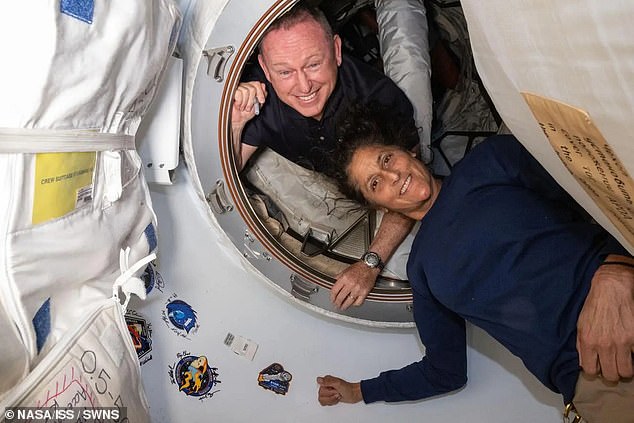
The Starliner's troubled history predates the 2024 incident. Since the program's launch in 2010, the spacecraft has faced recurring technical setbacks. Early test flights, including the 2019 Orbital Flight Test (OFT) 1 and the 2021–2022 OFT-2, encountered guidance errors, thruster failures, and oxidizer valve malfunctions. Investigations into these issues often focused on immediate causes rather than underlying systemic problems. The 2024 crewed test flight compounded these challenges with multiple propulsion anomalies, thruster failures, and a temporary loss of control during docking operations. Despite these issues, both astronauts remained safe aboard the ISS throughout their extended stay.
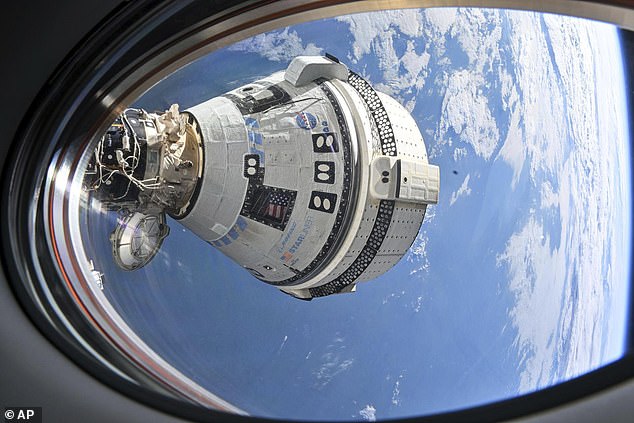
The mishap's classification as a Type A event highlights NASA's internal failures in oversight. According to Isaacman's report, the agency's limited access to spacecraft systems allowed Boeing's propulsion design to operate beyond established safety qualifications. Additionally, NASA's policy of maintaining two competing crew transportation systems—Starliner and SpaceX's Crew Dragon—influenced risk and operational decisions, sometimes prioritizing schedule over safety. Pre-launch pressures, including more than 30 scheduled attempts, contributed to decision fatigue and inadequate resolution of prior thruster risks.
Post-mission, concerns about the program's reputation delayed the formal declaration of a mishap. Initially, the Commercial Crew Program conducted its own review before NASA's independent investigation confirmed the incident's severity. The report criticized the program's culture for overemphasizing advocacy for Starliner, which overshadowed safety priorities. This culture, the agency acknowledged, placed the mission, crew, and U.S. space program at significant risk.
NASA's investigation concluded that both technical and organizational factors contributed to the mishap. While the precise causes of the service and crew module thruster anomalies remain under review, the agency accepted responsibility for its role in managing the contract, approving the spacecraft's launch, and making critical decisions during docking and post-mission operations. The report emphasized that engineering variances, while common in aerospace programs, were exacerbated by Starliner's qualification deficiencies, reducing its reliability for crew survival.
The Starliner capsule returned autonomously to Earth in September 2024 without crew, and Williams and Wilmore were eventually evacuated by SpaceX's Crew-9 mission in October 2024. Despite the mission's failures, the astronauts' safety was maintained, a testament to the ISS's emergency protocols and the resilience of the crew. However, the incident has prompted NASA to pledge leadership accountability and reforms to prevent a recurrence of the culture of mistrust that contributed to the mishap.
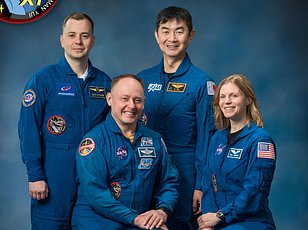
As the agency moves forward, the lessons from the Starliner fiasco will shape future missions. The designation of the event as a Type A mishap ensures that the investigation's findings are thoroughly integrated into NASA's safety culture. With the Commercial Crew Program now under closer scrutiny, the agency aims to restore public confidence and reestablish a balance between innovation and operational caution in its partnerships with private aerospace firms.
Photos