Misdiagnosed for a Decade: Mother's Lump Revealed as Deadly Cancer
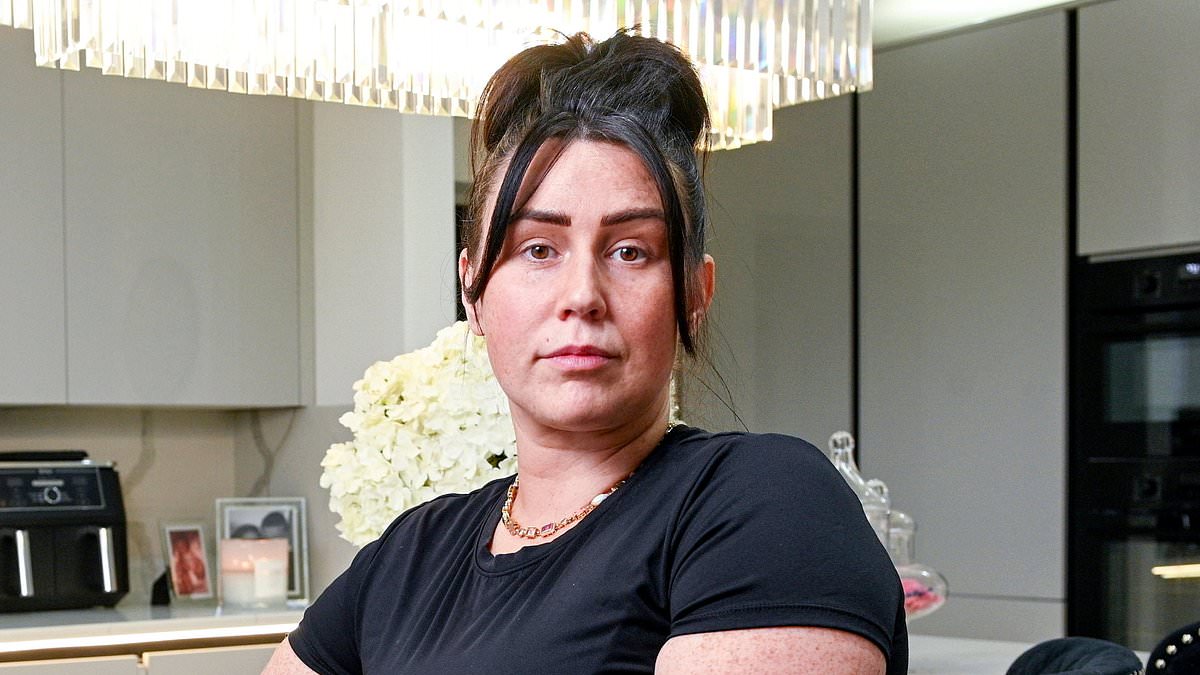
Melissa Fellows endured a decade of misdiagnosis and medical neglect before learning that a painful lump on her stomach was not a harmless fatty growth, but a deadly form of cancer. The mother of three, from Hull, East Yorks, first noticed the lump in 2009, but doctors dismissed it as a lipoma, a benign fatty mass. She says she was assured that the growth was common and nothing to be concerned about. Yet, over the years, the lump continued to grow, causing her immense pain and leaving her in a state of uncertainty. Despite her repeated attempts to seek answers, no one took her concerns seriously.
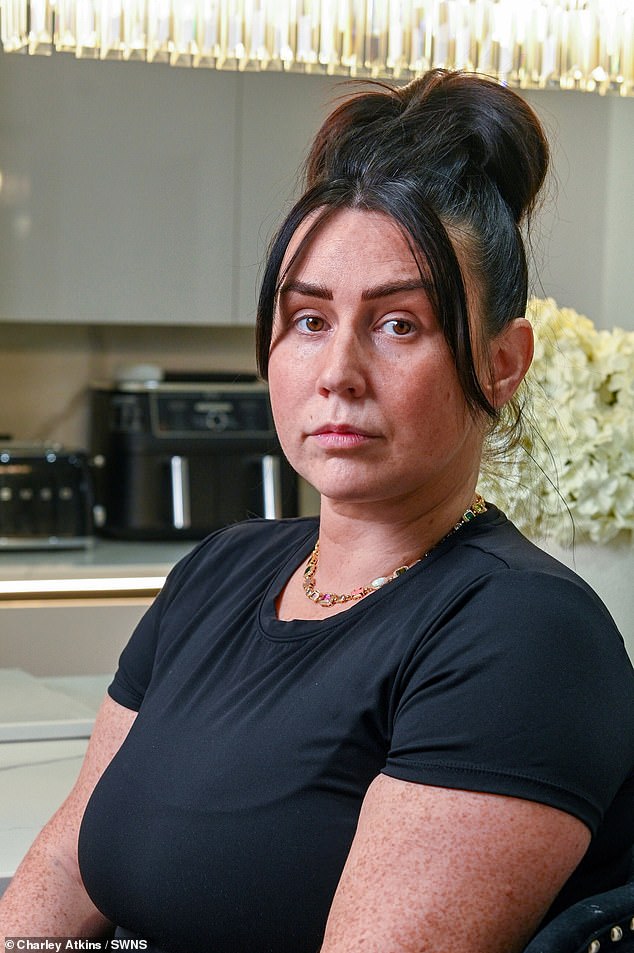
The lump initially was small and barely noticeable, but it gradually increased in size until it reached a weight of three stone and was the size of a toddler. Ms Fellows recalls being told multiple times that the growth was harmless and cosmetic. Even during her pregnancies, medical professionals assured her there was no cause for alarm. Her trust in the medical system was further reinforced when doctors suggested that the movement of the lump meant it was not cancerous, a belief that proved to be entirely wrong.
By 2017, the pain became unbearable and the lump was growing rapidly. During her third pregnancy, she was sent for an urgent ultrasound, but again, the growth was labeled as harmless. It was not until 2019 that scans finally revealed the true nature of the lump. The tumour was diagnosed as a liposarcoma, a rare and aggressive cancer that typically affects people between the ages of 40 and 60. By that point, the cancer had already spread, making it terminal.
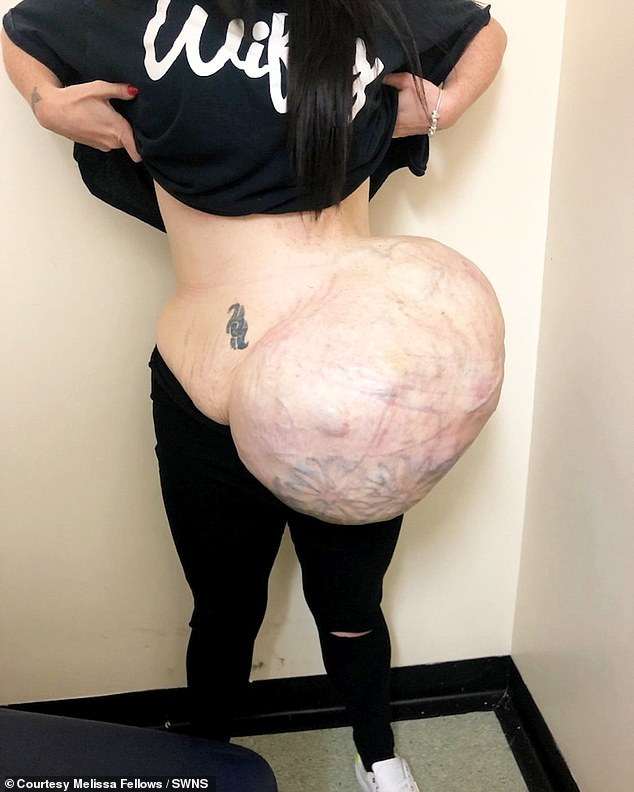
Ms Fellows faced a life of uncertainty and pain for years before the truth was finally revealed. The tumour, which was 30cm by 30cm, was one of the largest that surgeons had ever seen. After its removal, she was told it had spread, and she was given the devastating news that her cancer was terminal. The diagnosis came too late for a cure, and she now lives with the knowledge that her life is limited. The experience left her with a deep sense of betrayal and frustration, especially when she learned that a proper diagnosis and treatment could have potentially saved her life.
Ms Fellows and her husband Adam took legal action against the NHS, seeking justice for the years of neglect and misdiagnosis. In the end, they received a six-figure payout from Hull University Teaching Hospitals NHS Trust, which admitted that if the lump had been properly examined earlier, she could have been cured. This has led her to campaign for the introduction of a new law, which she calls 'Melissa's Law,' to ensure that all GPs send patients for scans if they detect any abnormal lumps on their bodies.
The experience has left Ms Fellows with a profound sense of grief and fear. She now faces the reality of being terminally ill, with no way of knowing how much time she has left with her children. The emotional toll has been immense, and she is haunted by the possibility that her children may not see her grow old. Her story serves as a stark reminder of the importance of early diagnosis and the need for medical professionals to take patient concerns seriously.
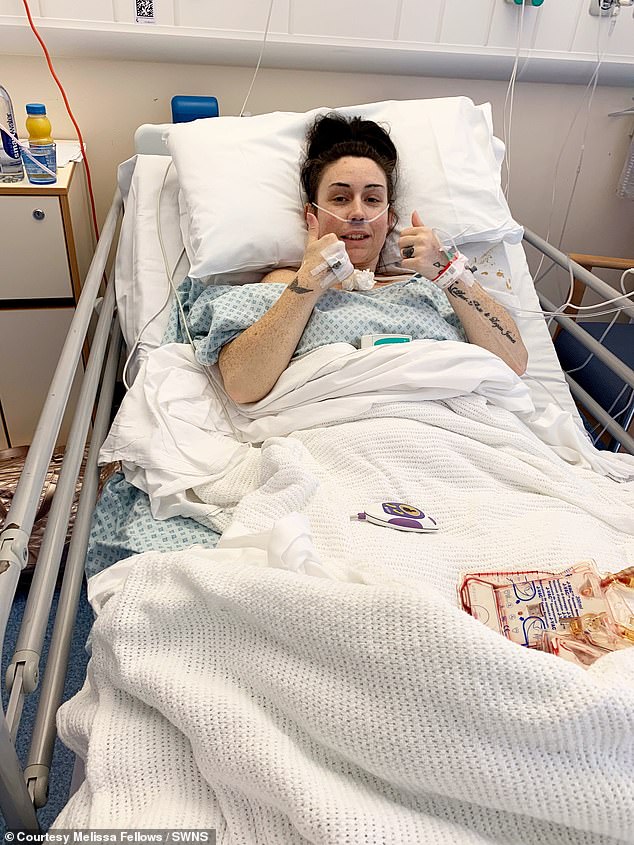
The NHS Trust, which operates Hull University Teaching Hospitals, has expressed regret over the failings in Ms Fellows' care and has committed to improving training and procedures to prevent such errors in the future. However, the emotional and physical toll on Ms Fellows has been irreversible. The tragedy raises important questions about the reliability of medical advice and the potential consequences of dismissing patient concerns.

For those who may be experiencing similar symptoms, Ms Fellows urges them to seek a second opinion and not to be deterred by reassurances that may seem comforting but could be misleading. The story of Melissa Fellows is a powerful reminder of the importance of persistence, the value of a second opinion, and the need for a healthcare system that is attentive to the needs and concerns of its patients.
Photos