Miraculous Survival, Uncertain Future: 12-Year-Old Shot in School Massacre
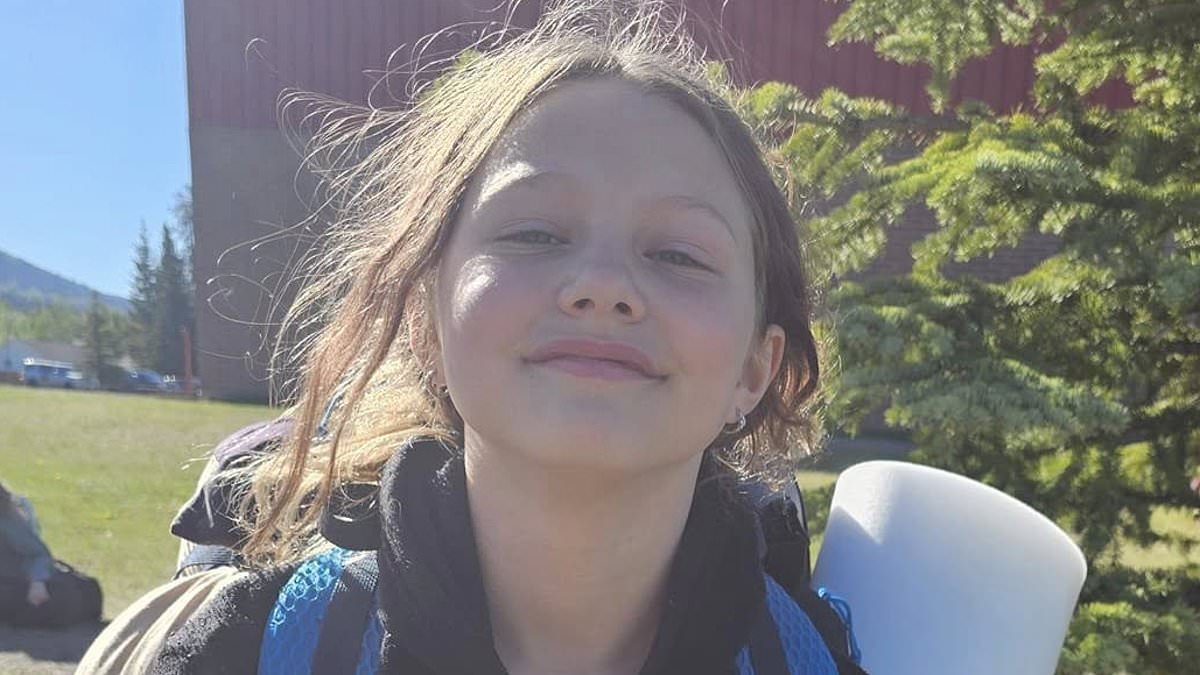
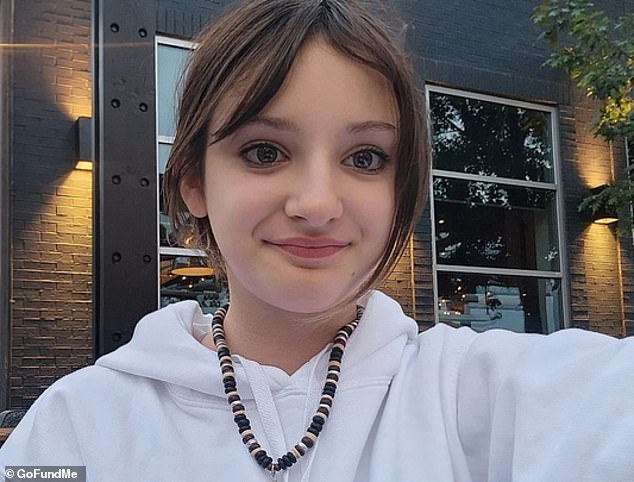
A 12-year-old girl shot in the head and neck by a transgender school shooter has defied medical odds to survive the night, but her mother has issued a heartbreaking warning about the quality of life the child may face if she recovers. Maya Gebala, one of 24 people wounded in the Tumbler Ridge Secondary School massacre, was told by doctors at Vancouver Children's Hospital that her brain injuries were 'too much for her to endure' and that she likely wouldn't survive past Wednesday night. Her mother, Cia Edmonds, revealed this grim prognosis on Wednesday, only to share a new update on Thursday: Maya is alive, but her future is uncertain and filled with unimaginable challenges.
The shooter, 18-year-old Jesse Van Rootselaar—known locally as Jesse Strang—killed eight people before taking his own life. Van Rootselaar, a biological male who began identifying as female at age 12, had a documented history of mental health crises and had previously been apprehended under Canada's mental health act. His rampage began at his family home, where he killed his mother, Jennifer, and stepbrother, Emmett, before heading to the school. Authorities later confirmed that firearms were seized from his home in the past but later returned to the lawful owner, a detail that has sparked urgent questions about gun control policies in the country.
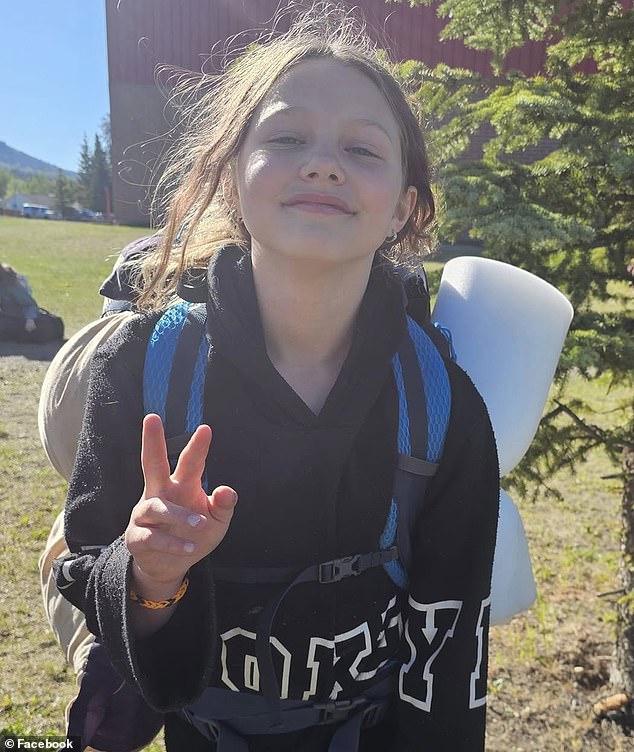
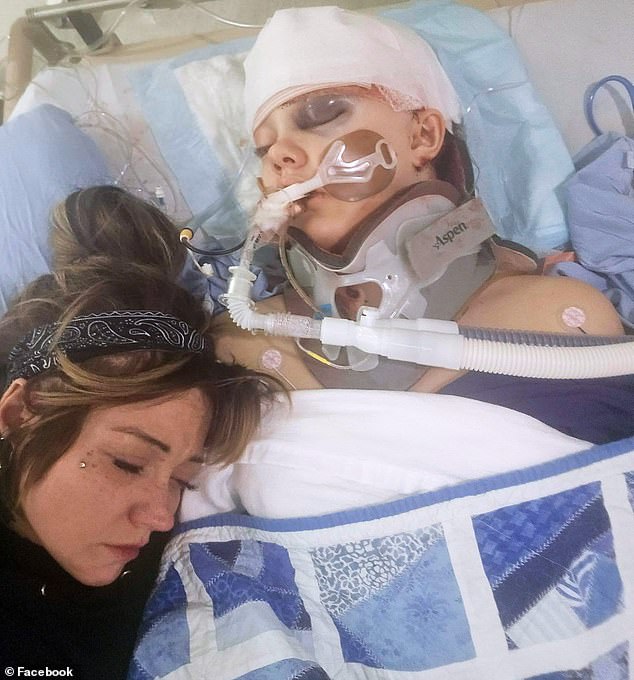
Maya's mother described the agonizing choice ahead: 'They tell me [if] she survives her life will only be feeding [tubes] and round the clock care. I feel cruel for keeping her. But they don't know her like I do.' Edmonds, who called her daughter 'my baby,' said Maya is 'fighting for a miracle,' even as doctors predict a bleak prognosis. The teenager's survival is a medical anomaly, but her potential future—dependent on life-sustaining interventions—has left her family grappling with a moral and emotional dilemma that underscores the tragic intersection of violence, healthcare, and human dignity.
The shooting has reignited national debates over gun control. Canada's strict firearm laws, including a recent expansion of the assault weapon ban, were implemented in response to previous mass shootings. However, the fact that Van Rootselaar was legally allowed to possess firearms—albeit with a history of mental health concerns—has raised urgent questions about the adequacy of current regulations. Deputy Commissioner Dwayne McDonald of the British Columbia RCMP confirmed that firearms were seized from the suspect's home 'a couple of years ago' but were later returned to the lawful owner, a process that critics argue may have failed to account for the shooter's mental health risks.
The tragedy has left the community of Tumbler Ridge, a small town in eastern British Columbia, reeling. Prime Minister Justin Trudeau has ordered flags at government buildings to be flown at half-staff for seven days, while local leaders have called the event 'devastating.' Tumbler Ridge Mayor Darryl Krakowka, who said he 'probably knows every one of the victims,' described the town as a 'big family' now fractured by loss. The school district has closed both the high school and elementary school for the rest of the week, and a makeshift memorial of flowers and stuffed toys has grown at the edge of the school grounds.
Among the victims was 12-year-old Kylie Smith, identified as one of five students killed in the attack. Her family described her as a 'beautiful, kind, innocent soul,' with her father, Lance Younge, calling her the 'light of their family.' Kylie, who loved art and anime and dreamed of attending school in Toronto, was the first student to be named by the RCMP. Her death, like the others, has left parents and students in the town questioning how such a tragedy could occur in a community that prides itself on safety and cohesion.
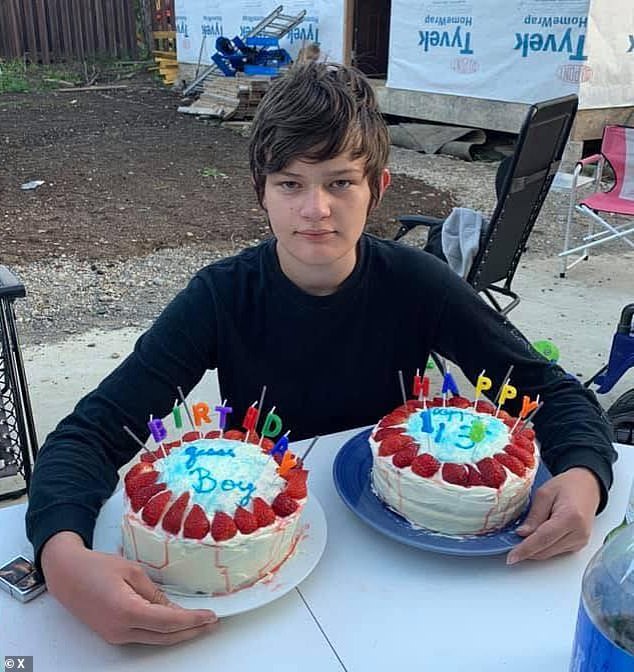
The shooter's actions have also sparked a deeper examination of mental health policies. Van Rootselaar had a history of mental health contacts with police, including being 'apprehended for assessment' at age 14. Yet, despite these red flags, no preventive measures appear to have been taken to mitigate his risk of violence. Mental health experts have since urged stricter protocols for individuals with both mental health concerns and access to firearms, emphasizing the need for interagency collaboration between law enforcement and healthcare providers.
As the nation mourns, the focus remains on the victims and their families. Maya Gebala's survival is a testament to medical resilience, but her mother's words—'I can feel her in my heart. I can feel her saying it's going to be OK… She's here… for how long we don't know'—highlight the profound uncertainty that now defines the family's journey. The tragedy has forced Canadians to confront the fragility of life, the limits of medical science, and the urgent need for systemic reforms that prioritize public safety without compromising human rights.
The RCMP has stated that no victims at the school were specifically targeted, but the absence of clear motives has only deepened the sense of collective grief. As the community mourns, the government faces pressure to review its gun control measures and mental health protocols, ensuring that such a tragedy is never repeated. For now, the focus remains on the survivors, the grieving families, and the enduring question of how a nation with strict regulations could still face such a devastating act of violence.
In the days ahead, the public will demand answers, but the immediate priority is the well-being of those directly affected. Maya Gebala's survival is a miracle, but the road ahead for her and the community is fraught with challenges that will test the strength of Canada's social fabric. As Prime Minister Trudeau said, 'We will get through this,' but the journey will require resilience, compassion, and a renewed commitment to policies that protect both individual freedoms and the collective good.
Photos