Metabolic Syndrome Linked to Rising Risk of Multiple Cancers, Study Finds

A growing number of health conditions in the United States are quietly contributing to a rising tide of cancers, according to a sweeping new analysis involving over 50 million Americans. Researchers at the University of Utah and the Huntsman Cancer Institute found that metabolic syndrome—a cluster of issues like high blood pressure, elevated cholesterol, and excess belly fat—significantly increases the risk of developing multiple obesity-related cancers. This umbrella review, which synthesized 21 studies and nearly 100 individual analyses, classified the evidence as 'highly suggestive' for colorectal and kidney cancers and 'suggestive' for breast and endometrial cancers. The findings suggest that metabolic dysfunction, not just obesity alone, plays a critical role in cancer development. 'The consistency and strength of these associations highlight the importance of addressing metabolic syndrome as a key modifiable risk factor,' the study authors emphasized.

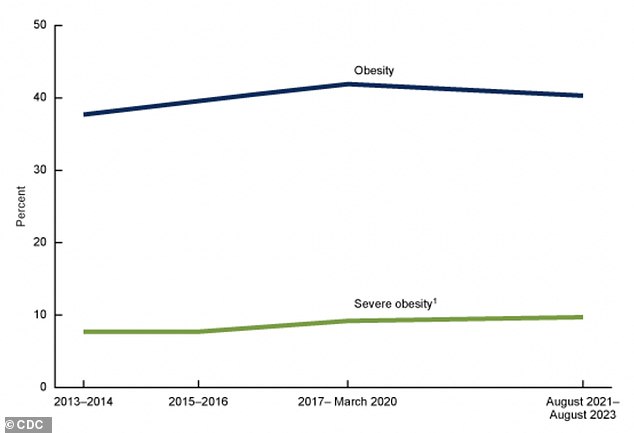
The data reveals alarming statistics. Individuals with metabolic syndrome face a 41% higher risk of colorectal cancer and a 67% higher risk of kidney cancer. For breast cancer, the risk increases by 27%, while endometrial cancer risk jumps by 49%. Even among people with normal body weight, metabolic syndrome alone raises cancer risk, indicating that the syndrome itself—rather than obesity—may be a significant driver. This is particularly concerning given that obesity-related cancers now account for nearly 40% of all cancer diagnoses in the U.S.
Dr. Maria Lopez, a cancer epidemiologist involved in the study, explained, 'Metabolic syndrome creates a perfect storm of inflammation and hormonal imbalances that can fuel tumor growth. It's not just about weight; it's about how the body functions at a cellular level.' The study found that the more metabolic abnormalities a person has, the worse their cancer outcomes. For example, those with two components of metabolic syndrome faced 2.6 times poorer survival rates for colorectal cancer, while those with three or more components faced 4.5 times worse outcomes.
The link between metabolic syndrome and cancer is not limited to colorectal and kidney cancers. Weaker but still significant associations were found with pancreatic, liver, and esophageal cancers. Men with metabolic syndrome showed higher risks for colorectal and liver cancers, while women faced a greater risk for pancreatic cancer. Experts suggest estrogen may explain these sex differences, as the hormone appears to protect against inflammation in the colon, potentially reducing cancer risk in women.
James Van Der Beek, the actor best known for his role in *Dawson's Creek*, died at 48 from colorectal cancer. He was fit, healthy, and had no family history of the disease when he first noticed a change in his bowel habits. Initially dismissing the symptom as a side effect of his morning coffee, he later underwent a colonoscopy and was diagnosed with stage 3 colorectal cancer in 2024. 'I wish I had listened to my body sooner,' he told a friend shortly after his diagnosis. His story underscores the dangers of ignoring subtle health changes, even in otherwise healthy individuals.
Colorectal cancer is no longer just a disease of older adults. About 20% of diagnoses now occur in people under 55, a sharp contrast to past trends. Since the 1990s, rates among adults under 50 have nearly doubled, with cases in the 20-to-39 age group rising by 2% annually. 'This is a growing crisis for younger adults,' said Dr. David Chen, an oncologist at Memorial Sloan Kettering. 'Early detection is critical, but many still delay screenings because they believe they're too young to be at risk.'

Pancreatic cancer, long associated with older adults, is also showing troubling trends. A 2025 analysis revealed a 4.3% annual increase in diagnoses among 15- to 34-year-olds and a 1.5% rise in those aged 35 to 54. 'While the numbers are small, the upward trajectory is concerning,' noted Dr. Sarah Kim, a gastroenterologist. 'We're seeing more young people with aggressive forms of the disease, and we don't yet fully understand why.'
Metabolic syndrome is not an insurmountable problem. Doctors and nutritionists recommend the Mediterranean diet, which emphasizes anti-inflammatory foods like fruits, vegetables, whole grains, and healthy fats. Regular physical activity, weight loss, stress management, and quitting smoking are also key. 'Reversing metabolic syndrome is possible, but it requires long-term commitment,' said Dr. Lopez. 'Small changes, like reducing processed foods and increasing exercise, can make a big difference.'
Despite the study's limitations—such as inconsistent definitions of metabolic syndrome across research and reliance on observational data—the findings are compelling. Public health experts urge individuals to take proactive steps, emphasizing that early intervention can reduce cancer risk. 'This is a wake-up call for everyone,' said Dr. Chen. 'Our health habits today shape our future, and the time to act is now.'
Photos