Megan Roup's Landmark Legal Victory Against Tracy Anderson Could Reshape Fitness Copyright Laws
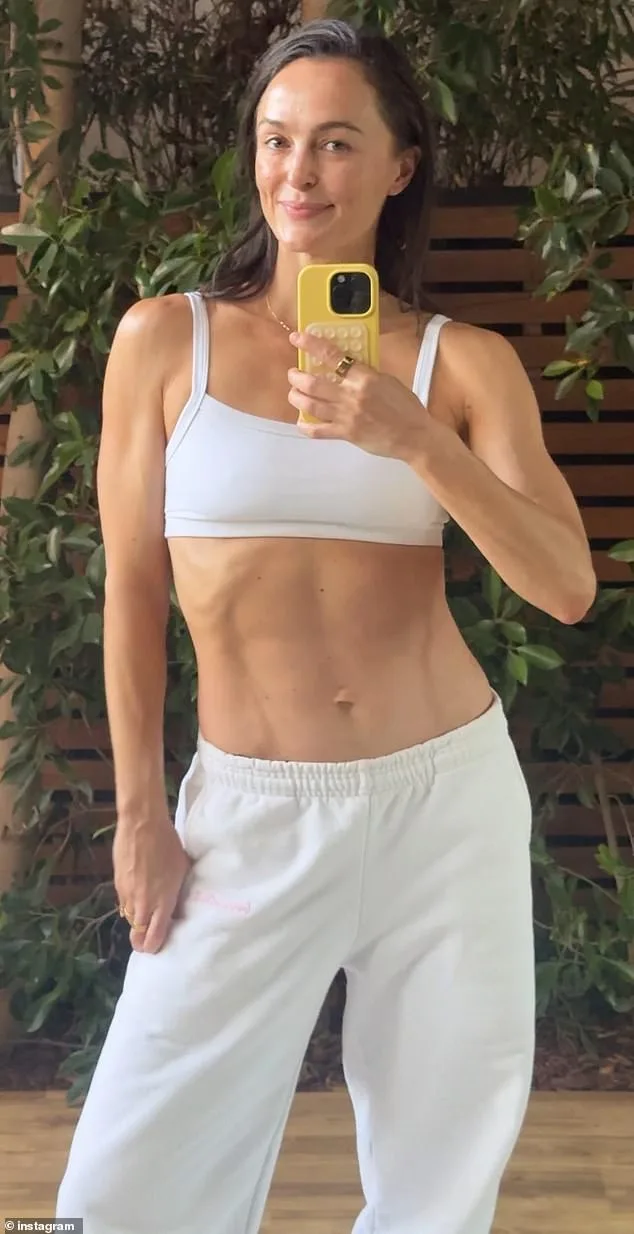
Megan Roup, a former trainer under celebrity fitness coach Tracy Anderson, has emerged victorious in a high-profile legal battle that spanned nearly three years. The dispute, which centered on allegations of copyright infringement, concluded with a landmark ruling from the Ninth Circuit Court of Appeals earlier this month. According to court records obtained by the *Daily Mail*, Roup's legal team successfully argued that Anderson's fitness routines—despite being labeled as 'choreography'—could not be copyrighted because they are fundamentally results-driven systems, not creative expressions. This victory has been hailed as a pivotal moment for the fitness industry, with implications that could reshape how choreography and workout methods are protected under U.S. law.
The feud began in 2022 when Anderson accused Roup of stealing elements from her 19 dance-cardio DVDs to launch her own workout platform, The Sculpt Society (TSS). Anderson, who founded the Tracy Anderson Method (TA Method) in 2006, described the alleged theft as a breach of contract and a direct challenge to her intellectual property. Her legal team, including Stanley Panikowski of DLA Piper LLP, argued that Roup had access to Anderson's copyrighted materials during her six-year tenure and had used them to create TSS, a competing fitness app. Anderson's legal filings also included claims of unfair competition, breach of contract, and violations of the Lanham Act, accusing Roup of misrepresenting her method as independently developed.
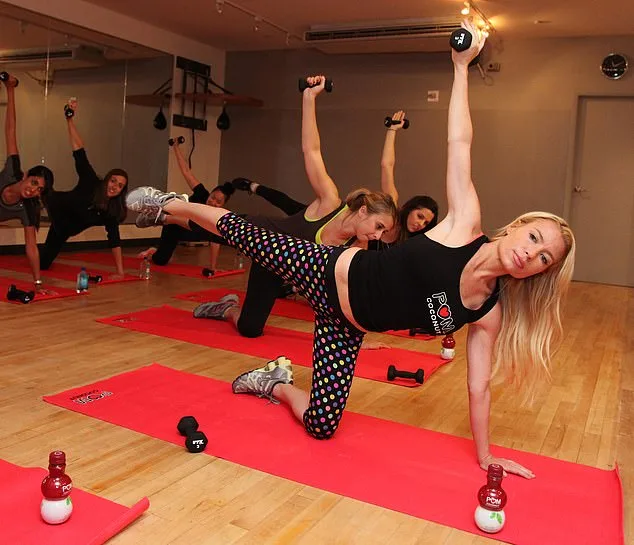
Roup's defense, led by attorney Nathaniel Bach of Manatt, Phelps & Phillips, LLP, countered that the TA Method is not choreography in the traditional sense but a functional fitness system. In a statement to the *Daily Mail*, Bach emphasized, 'We are grateful for the Ninth Circuit's ruling affirming Megan's and The Sculpt Society's copyright win. The panel's ruling validates what we have maintained all along—that fitness belongs to everyone and cannot be restricted through misuse of the copyright laws.' This perspective was echoed in the court's decision, which dismissed Anderson's copyright claims, stating that systems or processes, even those involving dance, are not eligible for copyright protection unless they demonstrate unique creative expression.
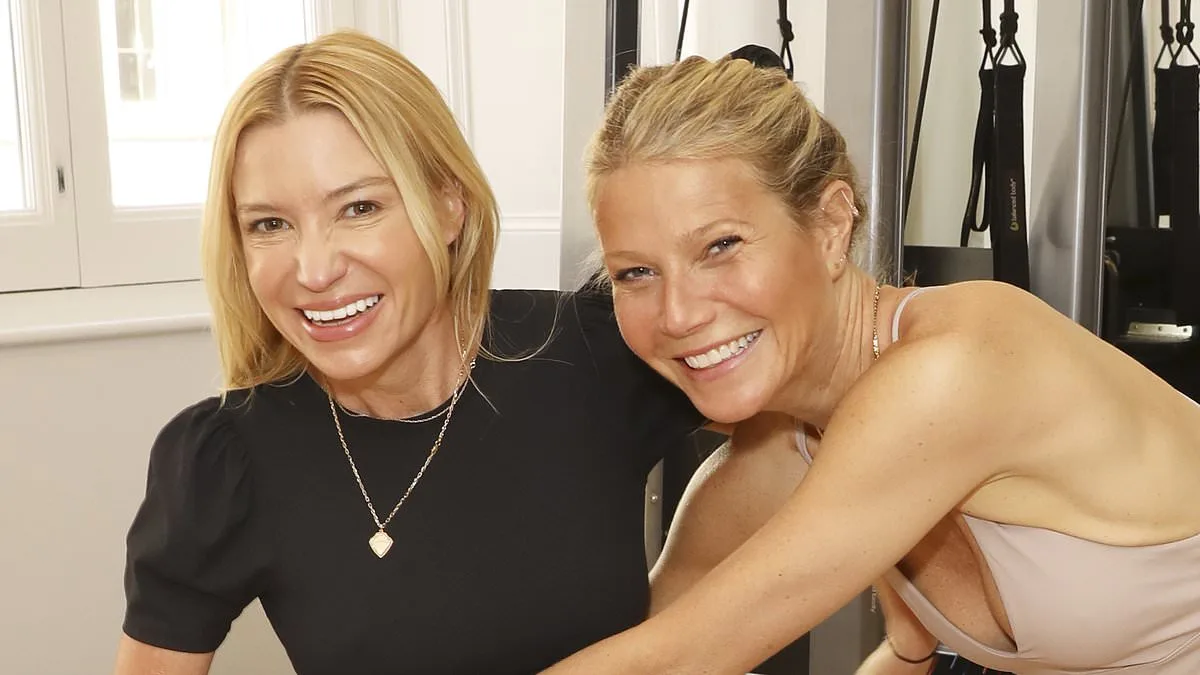
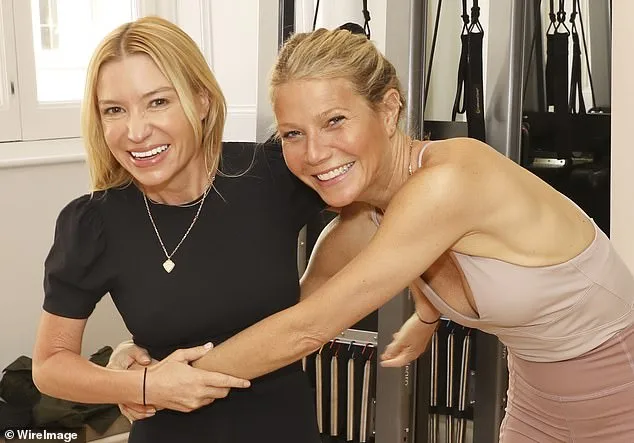
Anderson, a fitness pioneer known for working with A-list celebrities like Gwyneth Paltrow, Jennifer Lopez, and Alessandra Ambrosio, has long positioned herself as a leader in the industry. Her TA Method, which promises to 'give anyone strong, lean muscles and create balance where there is imbalance,' has become a staple for high-profile clients. However, the court's ruling challenged this narrative, noting that while Anderson's workouts are registered as choreography, their primary purpose is to deliver fitness results, not artistic expression. As one judge wrote, 'Even if the routines in the DVDs could fit within some colloquial definitions of dance or choreography, it remains ineligible for copyright protection.'
Megan Roup's journey to founding The Sculpt Society began in 2017, after she parted ways with Anderson. The app, which blends sculpting and toning with dance-based cardio, quickly gained traction among both everyday users and celebrities like Sofia Richie and Martha Hunt. Roup described her method as a response to what she saw as a gap in the boutique fitness community, stating in a TSS bio, 'I knew that there was something missing…so I combined my passion for dance and love for fitness to create The Sculpt Society.'
The court's decision was not without controversy. While Anderson's team expressed disappointment, Panikowski noted in a statement that the ruling was 'narrow' and did not address the majority of her choreography. He added that Anderson has 'advanced and evolved' her routines over the years and will 'continue to advocate for choreographers regardless of whether their works are performed on a stage, in a music video or in a fitness studio.' This sentiment reflects the broader tension in the fitness industry, where the line between creative choreography and functional exercise remains contentious.
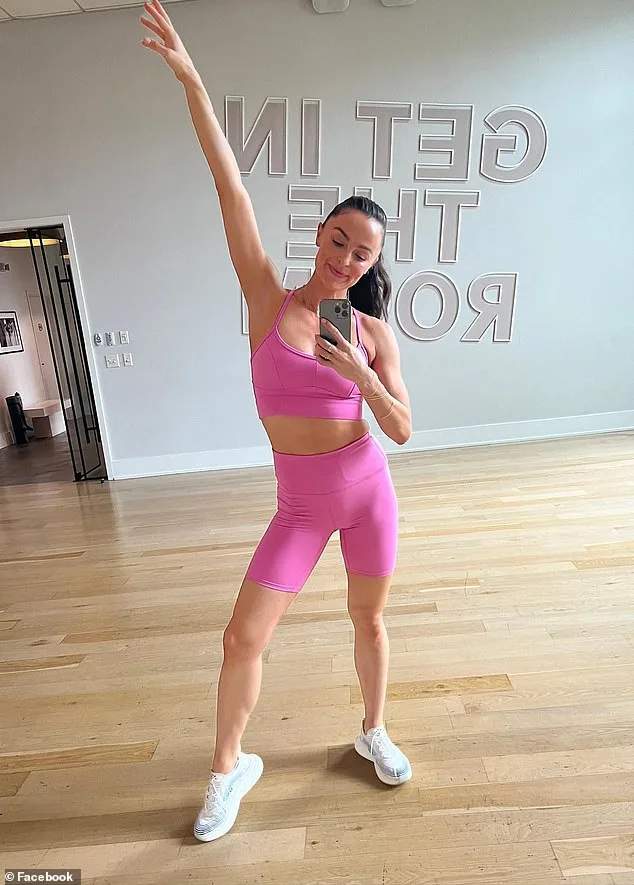
Beyond the copyright dispute, the court also dismissed Anderson's claims related to the Lanham Act and California's Unfair Competition Law (UCL). The court found that Roup's statements about developing her method independently were not misleading to a reasonable consumer. Anderson had argued that Roup's app falsely implied her routines were wholly distinct from the TA Method, but the court ruled that such general claims would not deceive the average user. Roup's legal team, however, stressed that the ruling was a win for innovation and accessibility in fitness, emphasizing that her platform offers a 'fun, effective workout' that is 'no equipment required.'
For now, the legal battle has ended, but the ripple effects of the ruling are expected to resonate across the fitness world. As Roup's lawyer put it, 'This is a reminder that fitness is a shared human endeavor, not a proprietary system that can be locked behind legal walls.' Whether this decision will inspire other fitness entrepreneurs to challenge similar claims or reinforce the boundaries of copyright law remains to be seen. For Megan Roup, though, the victory is personal and professional—a triumph that allows her to continue shaping the future of fitness on her own terms.
Photos