Maternal Mental Health Linked to Autism Risk in Children: Study Highlights Urgent Need for Prenatal Care

A groundbreaking study from Tohoku University in Japan has uncovered a startling link between maternal mental health and the risk of autism in children. Researchers analyzed data from over 23,000 mother–child pairs, revealing that women experiencing perinatal depression—psychological distress during or after pregnancy—are more likely to have children with autistic traits. This discovery has urgent implications for prenatal care and mental health interventions, as experts warn that early identification of maternal depression could be a critical step in mitigating developmental risks.
The study found that girls born to mothers with perinatal depression were particularly vulnerable. These children were more likely to be born underweight and exhibited weaker mother–child bonds. Surprisingly, while girls showed higher risks, boys displayed more pronounced autistic-like behaviors regardless of their mothers' mental health. This paradox has left researchers puzzled, but the findings underscore the need for targeted support for mothers, especially during pregnancy and the postpartum period.
To explore the biological underpinnings of their results, the team created a stress model in mice. By elevating stress levels in pregnant mice, they observed depressive behaviors and reduced maternal care. Female offspring of these mice displayed autism-like patterns, such as excessive self-grooming and diminished social engagement. Further analysis revealed lower oxytocin levels in the mothers' brains and fewer oxytocin receptors in their female offspring, a hormone crucial for bonding. These findings, published in *Molecular Psychiatry*, suggest that hormonal imbalances may play a pivotal role in linking maternal stress to autism.
Experts emphasize that the study's implications extend beyond individual families. The researchers stress the importance of screening for perinatal depression early in pregnancy, as timely interventions could reduce autism risks. However, the study acknowledges limitations, including a relatively small sample size and potential cultural biases. This calls for larger, more diverse studies to validate the results globally.
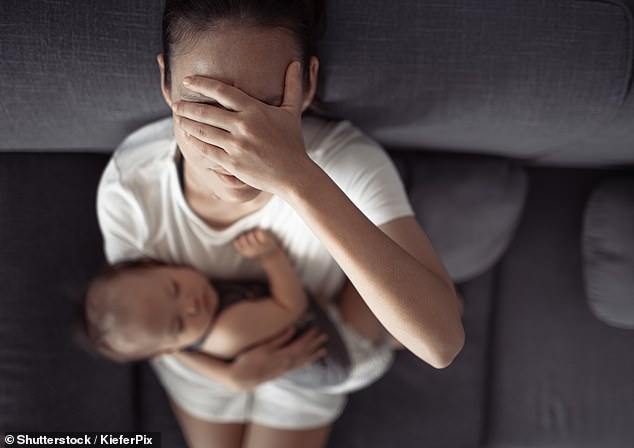
Other research adds to the urgency. A 2023 study in the *British Medical Journal* found that taking antidepressants during the second and third trimesters nearly doubles the risk of autism. This has sparked debates about balancing mental health treatment and fetal development. Meanwhile, the NHS highlights that antenatal depression is common, with symptoms ranging from persistent sadness to difficulty concentrating. Early recognition and support are vital, yet many cases go undiagnosed.
New research also challenges long-held assumptions about autism prevalence. A study this week suggests girls may be as likely as boys to be autistic but face significant underdiagnosis. Dr. Caroline Fyfe, lead author, argues that gender disparities in autism rates are likely due to systemic biases in detection. This aligns with broader calls for reform in diagnostic practices, as experts warn that autism remains vastly underdiagnosed in women.
The findings come at a critical moment. In December, Wes Streeting, the UK's health secretary, urged an independent review of rising demand for mental health, ADHD, and autism services. With over 91,000 young people currently waiting for referrals, the pressure on healthcare systems is mounting. Experts link this surge to growing awareness of autism, a condition only formally recognized as a distinct disorder in the last century. As the evidence mounts, the need for comprehensive, equitable care has never been clearer.
Photos