Low-Carb Diets Reshape British Eating Habits as Potato Sales Plummet

The humble potato, a cornerstone of the British diet for over two centuries, is now facing an unexpected threat: the rise of weight-loss medications. Once a symbol of hearty meals and staple fare, the spud is witnessing a sharp decline in demand, with farmers reporting a 10% drop in sales compared to last year. This downturn comes as the UK population increasingly turns to drugs like Wegovy and Mounjaro, which are reshaping eating habits and prioritizing low-carb diets. The shift is not just a matter of personal choice but a reflection of a broader cultural and economic transformation that is leaving traditional food industries scrambling.
Potatoes, in all their forms—chipped, crisped, mashed, or boiled—are no longer as popular as they once were. The decline is most pronounced in products that rely heavily on starch, such as crisps and frozen chips. Industry insiders note that an estimated 2.5 million people in the UK are now using weight-loss drugs, many of whom are actively reducing their intake of high-carbohydrate foods. This has forced even iconic institutions like fish and chip shops to adapt, offering smaller portions to meet shifting consumer preferences. Rufus Pilgrim, a representative from RS Cockerill, a major potato supplier, described the situation as 'most definitely' concerning. He highlighted that a significant portion of the population is now on weight suppressant drugs, leading to a noticeable reduction in demand for potato varieties used in crisps and other processed foods.
The economic impact on farmers is stark. The potato surplus from a bumper harvest has already driven prices down, and the current slump in sales is exacerbating the problem. According to the industry newsletter *Potato Call*, Maris Piper potatoes, a popular variety used in many processed foods, are now selling for £180 per ton—half the price they commanded a year ago. This decline is not just a financial blow but a signal of deeper challenges in the agricultural sector. Farmers who once relied on stable demand for staple crops are now forced to reconsider their production strategies in the face of unpredictable market trends.
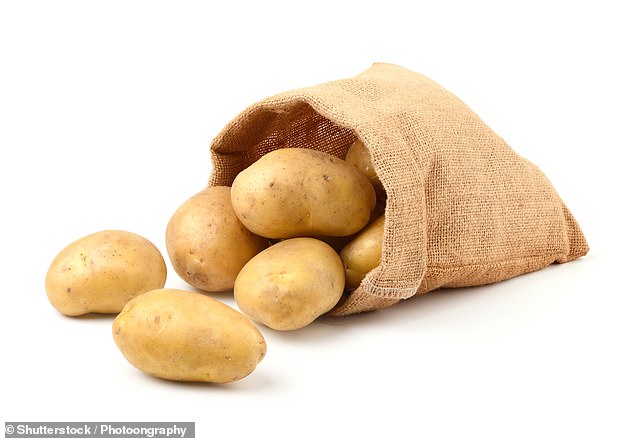
The crisis is not unique to the UK. In Germany, farmers have resorted to giving away massive sacks of surplus potatoes after a record harvest led to what locals call 'Kartoffel-Flut'—a 'potato flood.' At one of 174 collection points set up in Berlin, Astrid Marz collected more than 150 bags of potatoes, enough to sustain her and her neighbors for months. 'I stopped counting at 150,' she said, highlighting the desperation of the situation. Meanwhile, two lorryloads of surplus potatoes have been sent to Ukraine, where food insecurity remains a critical issue. These examples underscore the global ripple effects of agricultural overproduction and changing dietary preferences.

As the UK continues to grapple with the implications of this shift, the potato's role in the national diet is being redefined. While some farmers may find new markets or pivot to alternative crops, the story of the spud serves as a cautionary tale about the intersection of public health trends, economic stability, and the resilience of traditional food industries. For now, the humble potato remains a symbol of both historical significance and modern vulnerability, caught in the crosshairs of innovation and tradition.
Photos