Life Sentence for Ryan Routh in Trump Assassination Attempt
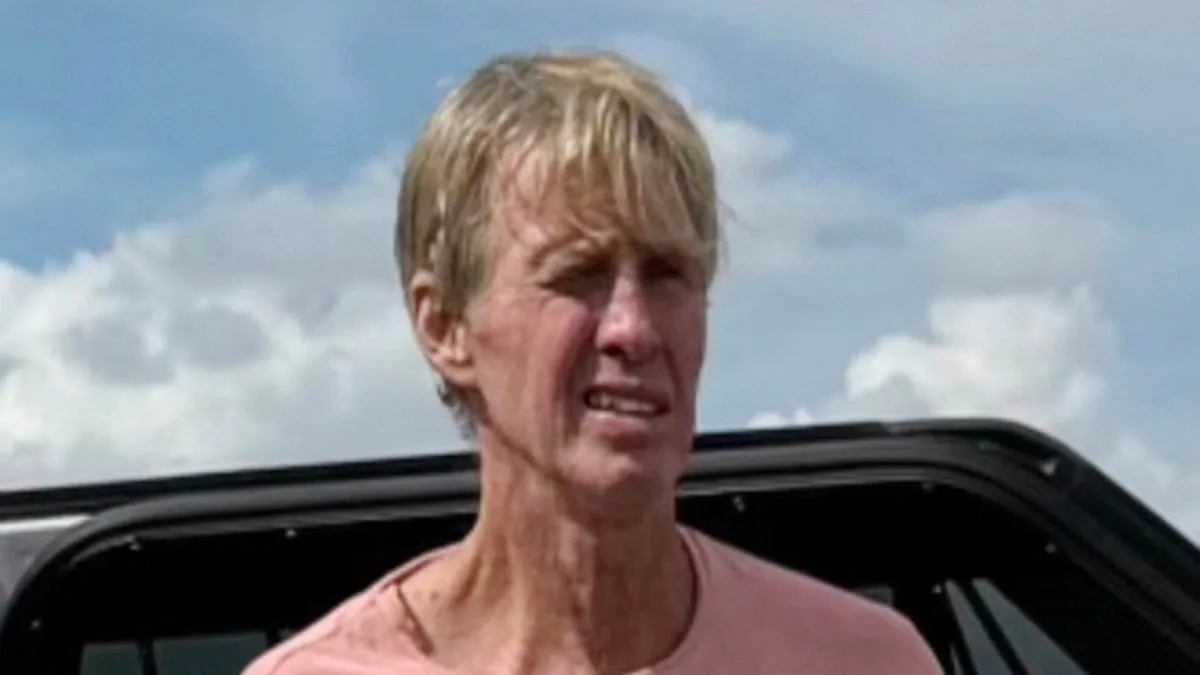
Ryan Routh, 59, stands condemned for his brazen attempt to assassinate Donald Trump at a Florida golf course in September 2024. The man who fired a rifle at the former president during a campaign stop will spend the rest of his life behind bars. A federal judge in Fort Pierce delivered the sentence on Wednesday, marking the culmination of a trial that exposed a man consumed by hatred and a willingness to act on it. What does this say about the state of political discourse in America, where rhetoric can cross into violence?
The sentencing came after a trial that saw Routh plead not guilty to charges including attempted assassination, using a firearm in furtherance of a crime, and assaulting a federal officer. Prosecutors argued for life without parole, emphasizing his unrepentant stance. Routh never apologized for targeting Trump, nor did he express remorse for the chaos his actions unleashed. How does someone who plans to kill a presidential candidate justify their actions to themselves? The answer, it seems, lies in a twisted worldview that sees violence as a solution.
Judge Aileen Cannon, who oversaw the trial, faced a courtroom that had already seen its share of chaos. In September 2024, Routh had attempted to stab himself with a pen after jurors found him guilty on all counts. Now, the same courtroom became the stage for a sentencing that would determine the rest of his life. Cannon's decision to grant Routh an attorney for sentencing—after he initially represented himself—highlighted the legal system's commitment to fairness, even for someone as dangerous as Routh.
Routh's defense, led by Martin L. Roth, sought a lighter sentence. They argued that Routh, now two weeks shy of 60, deserved a chance to live out his remaining years outside prison. The request, however, was met with fierce opposition from prosecutors. They emphasized that Routh's life had been defined by lawlessness, from his criminal history to his online vitriol. How could a man who once encouraged Iran to kill him expect leniency for targeting a sitting president?
The trial revealed the chilling details of Routh's plan. He spent weeks plotting to kill Trump, aiming his rifle at the former president as he played golf at Trump National Golf Club. A Secret Service agent intervened, firing at Routh and forcing him to drop his weapon. The agent's testimony painted a picture of a man who had no intention of backing down. Routh's actions, though unsuccessful, sent shockwaves through the nation. How does a country grapple with the reality that a presidential candidate could be targeted on his own golf course?
Routh's criminal record adds layers to the case. He has faced felony charges before, including possession of stolen goods. His online presence, filled with vitriolic comments, showed a long history of anti-Trump sentiment. In a self-published book, he even encouraged Iran to assassinate him, a bizarre claim that suggests a mind teetering on the edge of delusion. How does someone who once blamed himself for electing Trump become a threat to the very man he once supported?
The judge's decision to allow Routh an attorney, despite his earlier refusal, underscored the legal system's complexity. Cannon, a Trump appointee, balanced her loyalty to the president with her duty to the law. Her ruling on Routh's motion to represent himself was a reminder that even the most controversial cases must adhere to due process. Yet, the irony of a Trump-nominated judge presiding over a case against his former president cannot be ignored. What does this say about the justice system's ability to remain impartial in politically charged cases?
Routh's sentencing is a stark reminder of the consequences of extremism. His life sentence, combined with 84 additional months for gun-related charges, ensures he will never walk free. The prosecution's argument—that he deserves to spend the rest of his life in prison—resonates with the public's demand for justice. But the question remains: How many more people will be willing to take up arms against political figures if the consequences are so severe? The answer, perhaps, lies in the hope that such cases serve as a deterrent.
As Routh begins his life in prison, the nation must reckon with the broader implications of his actions. His attempt to kill Trump was not just an attack on a single individual but a challenge to the very fabric of American democracy. How do we, as a society, ensure that such threats are prevented before they can materialize? The answer may lie in strengthening mental health resources, addressing the roots of extremism, and fostering a culture of respect for the rule of law. But for now, Routh's sentence stands as a grim testament to the cost of hatred and the power of the justice system to hold the line.
In the end, Routh's story is a cautionary tale. It is a reminder that the line between political dissent and violence is razor-thin. And it is a call to action for a society that must find ways to heal the divisions that lead to such extreme acts. The road ahead is long, but the sentence handed down to Routh is a step toward ensuring that no one else follows in his footsteps.