Kitchen Utensils May Be More Effective Than Dolls or Trucks at Capturing Young Children's Attention, Study Suggests
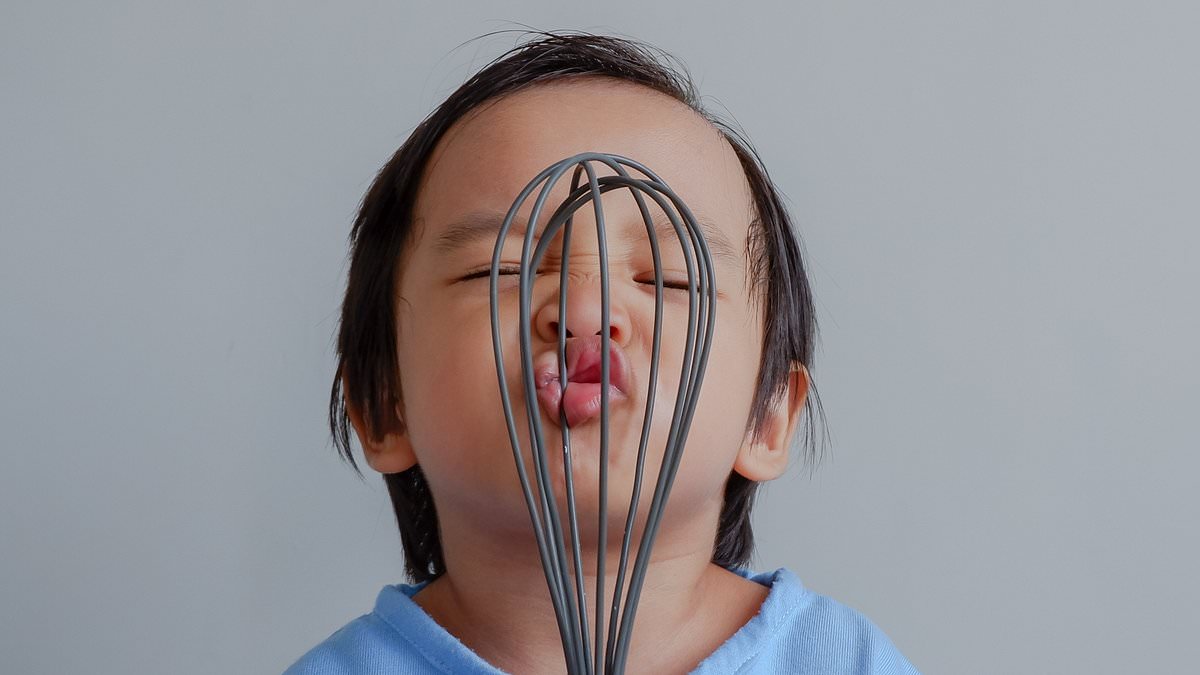
A surprising new theory is challenging the way parents choose toys for their children. Delaney Witmer, a researcher at Arizona State University, suggests that kitchen utensils like whisks and potato mashers might be more effective than dolls or trucks at capturing young children's attention and enhancing development. Her study, which analyzed the play habits of 32 children aged two to four, reveals that unfamiliar objects could hold more value than traditional toys.

The experiment required parents to select a safe but unfamiliar item—often a kitchen tool—for their child to explore. Researchers recorded how the children interacted with both the novel object and a familiar toy, such as a doll or car. The results showed that children touched the unusual object an average of 40 times over 10 minutes, compared to 30 times for familiar toys. Each interaction with the novel item lasted about 5.32 seconds, slightly longer than the 4.64 seconds for familiar objects.
Witmer emphasized that these findings highlight a fundamental human tendency: curiosity toward the unknown. 'It snags their attention,' she told the American Association for the Advancement of Science (AAAS) conference in Phoenix, Arizona. 'It's engaging and helps with attentional shifts—switching focus from the familiar to the novel.'
Parents played a pivotal role in this process, Witmer noted. Children frequently turned to their caregivers for guidance when exploring unfamiliar items. 'You'll see kids look toward their parent for clues of how to play with it,' she said. This dynamic not only enhances learning but also strengthens parent-child bonds through collaborative problem-solving.
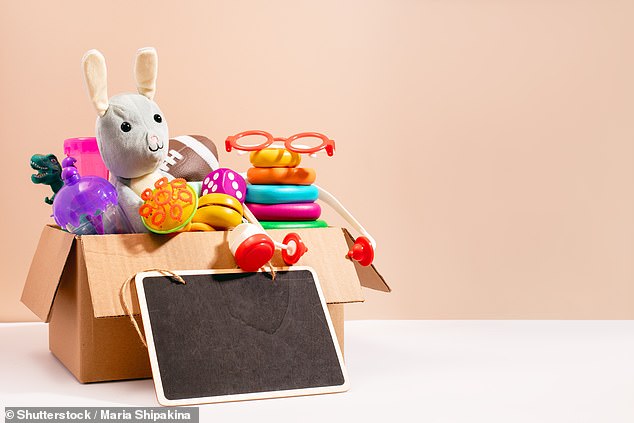
Witmer urged parents to consider introducing unconventional objects into their children's playtime. 'Absolutely, introduce new items if they're safe,' she said. Even brief interactions with novel objects can leave a lasting cognitive impact. 'Encoding that information in their brain prepares them for their future,' she added, linking early exposure to long-term learning outcomes.
Her research, which forms part of her thesis, underscores the importance of toy interaction in early childhood. The study's findings suggest that children often engage with objects longer than their parents expect—especially when the items are novel. These insights could guide parents in supporting their children's exploratory behaviors and cognitive development.
Separately, a study from the University of Colorado found that allowing infants to hand-feed themselves—known as baby-led weaning—does not hinder growth. Researchers discovered no significant difference in calorie intake between babies who self-fed and those who were spoon-fed. Advocates argue that this method fosters healthy eating habits by letting infants explore family meals and develop fine motor skills.
Both studies reflect a growing emphasis on natural exploration and autonomy in early childhood. As Witmer's work gains traction, it may prompt a shift in how parents view playtime—not as a means to mimic adult life, but as a chance to spark curiosity and cognitive leaps through the unexpected.
Photos