John Davidson Apologizes After BAFTAs Outburst, Speaks on Tourette's Challenges
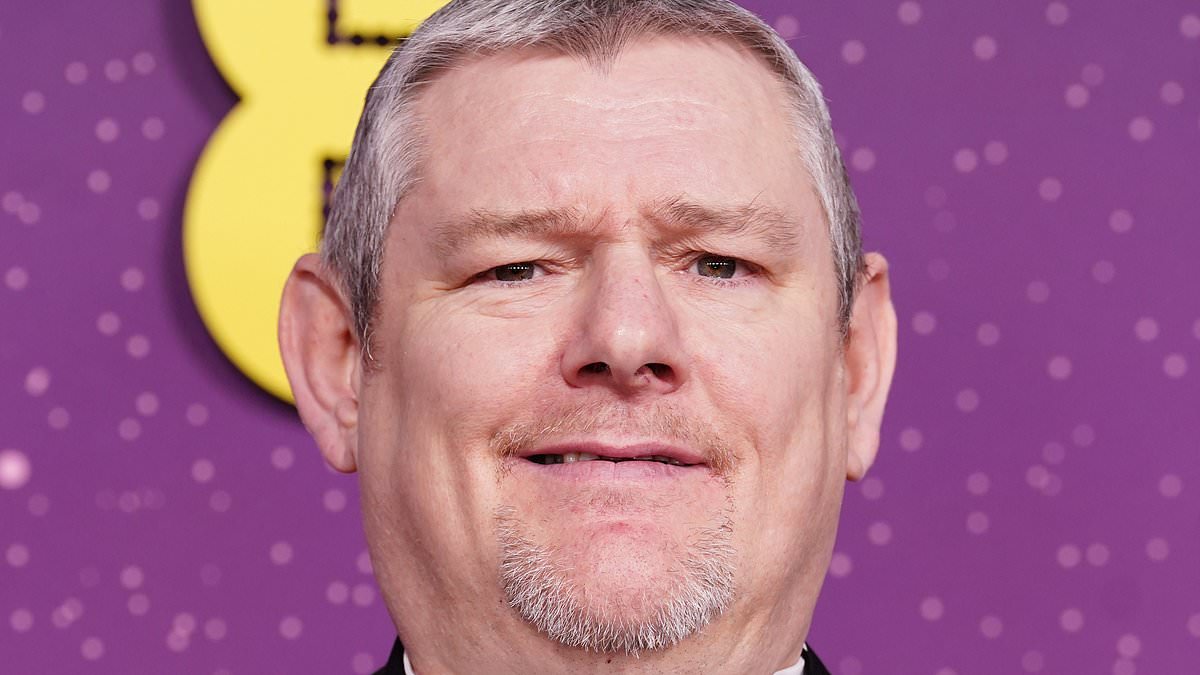
John Davidson, the British activist and advocate for Tourette's Syndrome, has described the emotional toll of a recent incident at the BAFTAs, where he shouted the N-word and other offensive terms during the ceremony. The outburst, which occurred as he celebrated the release of the film *I Swear*, a documentary based on his life, has sparked a broader conversation about the challenges faced by individuals living with neurological conditions. Davidson, who has Tourette's since childhood, said he felt an 'unbearable wave of shame' after the incident and emphasized that his words were not intentional. His apology, delivered through a statement, acknowledged the harm caused and expressed deep regret for the pain inflicted on those present.
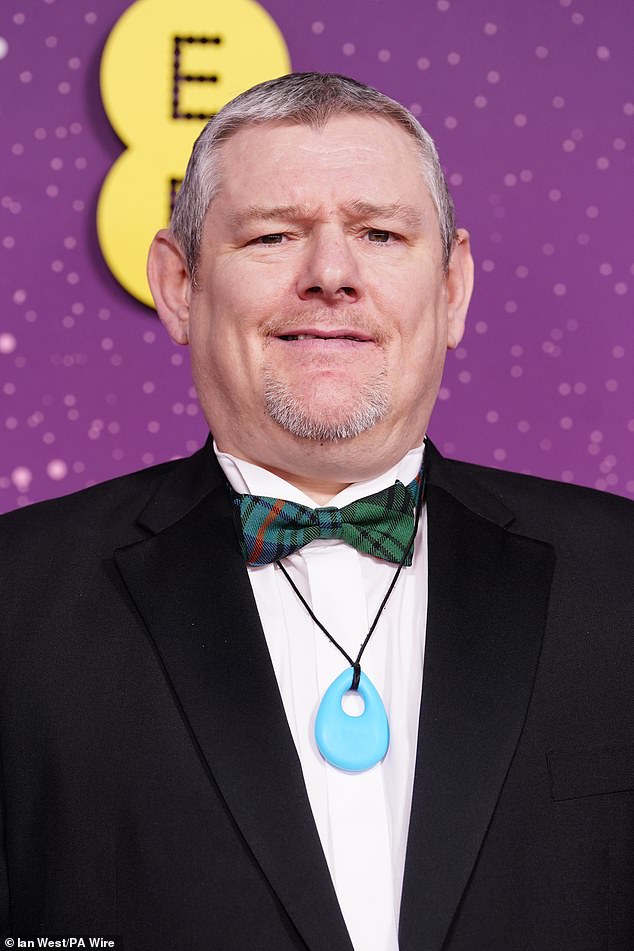
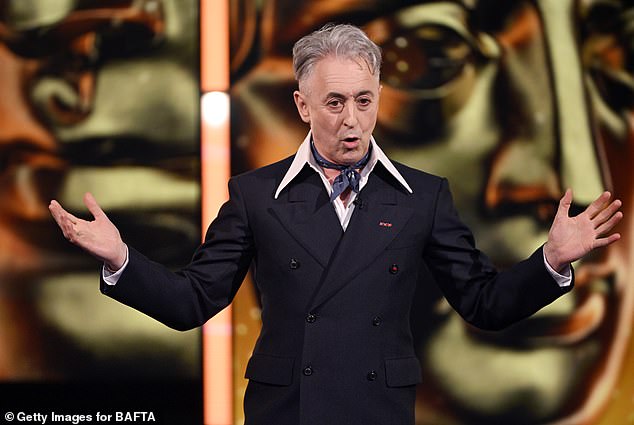
The moment occurred during the awards ceremony at London's Royal Festival Hall, where Davidson, 54, was a guest. The outburst was captured on camera and later aired by the BBC, despite the event being pre-recorded. Davidson explained that his condition, which includes coprolalia—a phenomenon where involuntary words are spoken—triggered the incident. He described how a joke made by BAFTAs host Alan Cumming about Paddington Bear led to a cascade of tics, including the use of the term 'paedophile.' This was not the first time Davidson's tics have caused controversy. In 2019, he famously shouted 'f*** the Queen' during the presentation of his MBE, a moment that highlighted the unpredictable nature of his condition.
Davidson's experience is not unique to the BAFTAs. He has shared stories of violent episodes in his life, including punching his adoptive mother while she was driving and being attacked by a man after a comment about his girlfriend. These incidents, he said, are a testament to the daily struggles faced by those with Tourette's, where involuntary actions can lead to social isolation, physical harm, and emotional distress. His account raises the question: How can society better support individuals whose lives are shaped by neurological differences, ensuring they are neither misunderstood nor unfairly judged?
The fallout from the BAFTAs has included criticism of the BBC for not blurring the offensive language, despite the event being pre-recorded. Davidson argued that the corporation had an obligation to edit such content, especially when it comes from someone with a medical condition. This criticism contrasts with the BBC's handling of a different incident, where it edited out a 'Free Palestine' reference from an acceptance speech. The inconsistency in its approach has led to further scrutiny of media organizations' responsibilities in such cases.
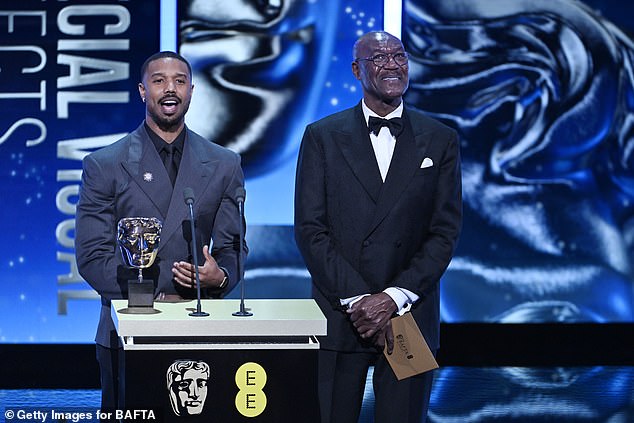
BAFTA, too, has faced backlash for its handling of the situation. The organization issued an 'unreserved apology,' acknowledging the trauma caused by Davidson's outburst. In a statement, they emphasized that Davidson's tics were involuntary and not a reflection of his beliefs, a sentiment echoed by the activist himself. Nevertheless, the incident has exposed gaps in the support systems for individuals with Tourette's, even in high-profile settings. Davidson's presence at the BAFTAs was intended to celebrate his life's work, yet the event ended in a public display of distress that underscores the fragility of inclusion in spaces that are supposed to be welcoming.
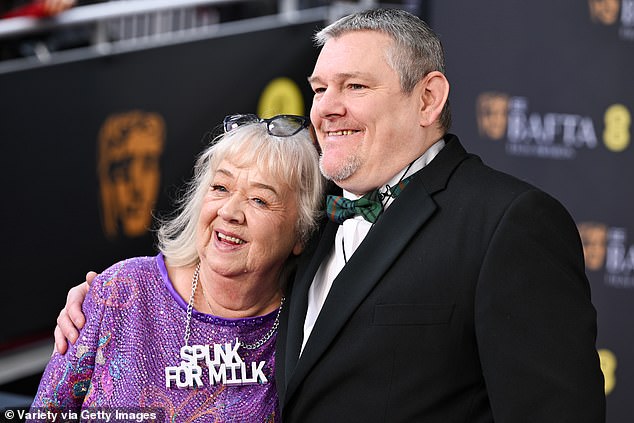
The response from the BAFTAs community has been mixed. Michael B. Jordan and Delroy Lindo, the actors who were targeted by Davidson's outburst, remained composed during the ceremony. Lindo later expressed disappointment that BAFTA did not reach out to him afterward, calling for more accountability from the organization. This highlights the need for greater awareness and empathy, not just from the public but from institutions that host such events. Davidson's apology, while sincere, may not be enough to fully address the harm caused. It raises the question: Can a single apology, no matter how heartfelt, undo the pain of an incident that is, by definition, beyond the person's control?
Davidson has since reached out to the *Sinners* production team, apologizing to the actors and production designer Hannah Beachler, who claimed she was targeted by his involuntary words. His efforts to make amends reflect a commitment to the principles of empathy and understanding that he has championed throughout his life. Yet, the incident serves as a stark reminder of the challenges faced by those with neurological conditions, where the line between public and private, intentional and unintentional, is often blurred. As the conversation continues, the focus must shift from blame to solutions—whether in the form of better support systems, more inclusive event planning, or simply a deeper societal understanding of conditions like Tourette's.
Photos