Japanese Researchers Develop Compound to Reset Body Clock and Combat Jet Lag
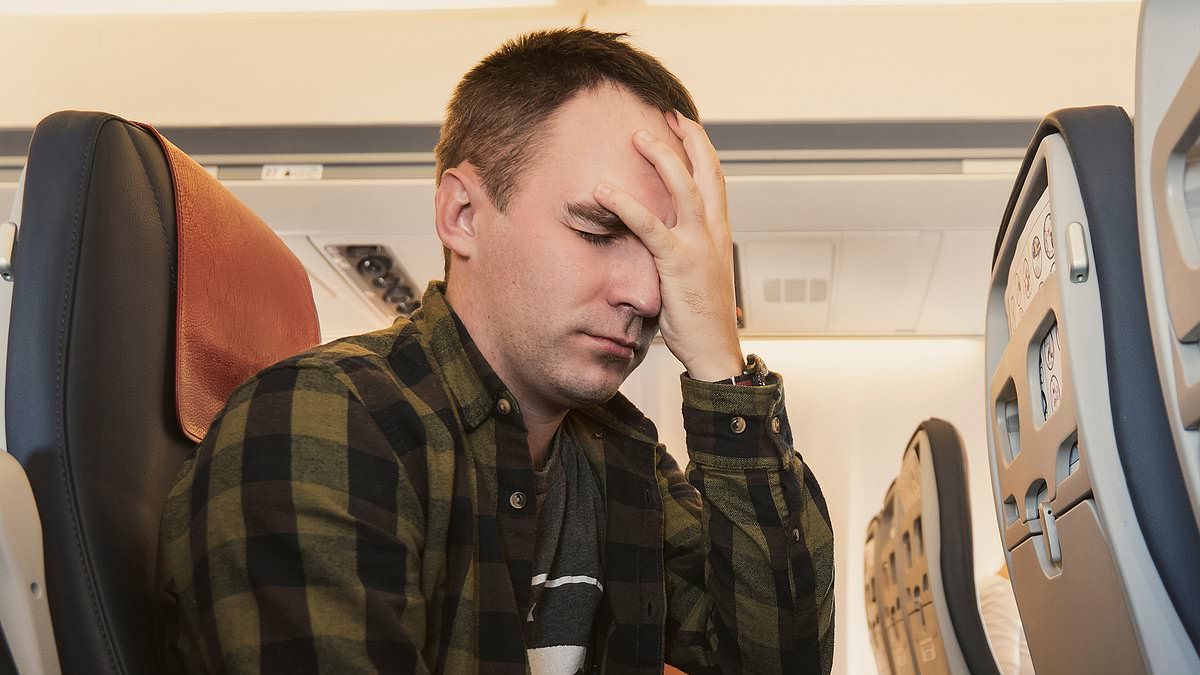
Jet lag has long been a persistent challenge for travelers, disrupting sleep patterns and productivity for millions worldwide. Now, a breakthrough from Kanazawa University in Japan may offer a solution. Scientists have developed a compound called Mic-628, which can 'reset' the body's internal clock by activating a gene called Per1. This gene is crucial for regulating circadian rhythms, the biological processes that control sleep and wakefulness. In experiments on mice, a single oral dose of Mic-628 reduced the time needed to adjust to a new time zone from seven days to just four. This discovery could revolutionize how people manage jet lag and shift work, potentially outperforming current methods like light therapy or melatonin supplements.

The study, published in the journal *Proceedings of the National Academy of Sciences (PNAS)*, highlights the challenges of eastward travel. Researchers found that flying west to east—such as from the United States to Europe—disrupts the body clock more severely than east to west. This is because advancing the circadian clock (adjusting to an earlier bedtime) is harder for humans than delaying it. The team's findings suggest that selectively activating Per1 could be a therapeutic strategy for treating circadian rhythm disorders, a condition that affects an estimated 10% of the global population.

The drug's effectiveness has been tested in mice, but further research is needed to confirm its safety and efficacy in humans. The team plans to conduct additional studies on animals and eventually human trials. Meanwhile, another approach to combating jet lag is gaining attention. A 2023 study from Northwestern University found that adjusting meal times can help reset the body clock. The research suggested that eating a large breakfast and skipping dinner for the first three days after a long-haul flight could speed up recovery by up to three days. This method leverages the body's response to food as a cue for sleep-wake cycles, offering a low-cost alternative to pharmaceutical solutions.

The implications of these discoveries extend beyond frequent travelers. Shift workers, healthcare professionals, and people with irregular schedules could benefit from treatments that make adjusting to different time zones or work hours easier. However, experts caution that more data is needed before these methods can be widely recommended. While the drug and dietary strategies show promise, they must be rigorously tested to ensure they are safe and effective for diverse populations, including older adults and those with preexisting health conditions. The journey from laboratory to real-world application remains ongoing, but the potential to alleviate a common yet frustrating problem is a significant step forward.

The research also raises questions about how different age groups experience jet lag. The PNAS study noted that younger people report more severe symptoms than those in their 60s, possibly due to changes in circadian regulation as people age. This highlights the need for personalized approaches to managing circadian disruptions. Whether through drugs, diet, or light exposure, the goal remains the same: to align the body's internal clock with external demands, improving health and quality of life for millions.
As the science advances, the challenge will be balancing innovation with caution. Mic-628 and similar compounds must undergo extensive safety evaluations before reaching the public. Meanwhile, practical strategies like meal timing offer immediate, accessible options for those seeking relief. The convergence of pharmacological and behavioral approaches signals a new era in circadian medicine, one that could redefine how people navigate the modern world of travel and work.
Photos