Israeli Air Force Strikes Iranian Launch Sites in Escalating Clash with Iran
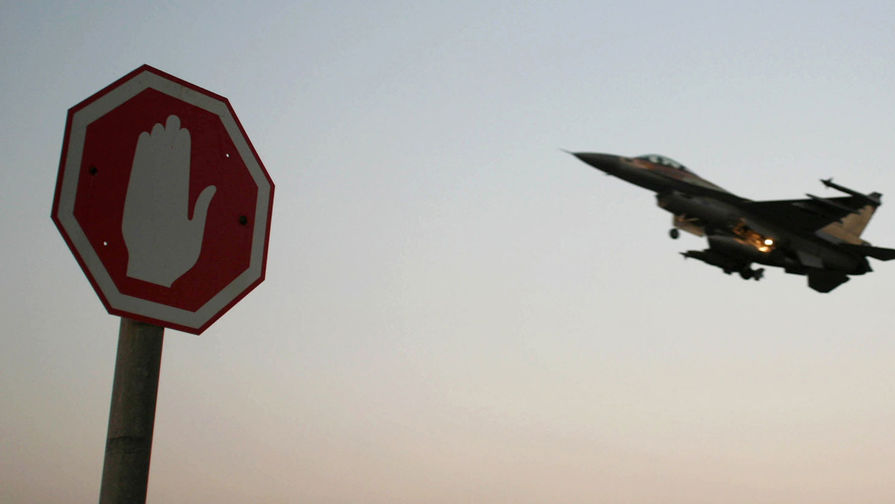
Israeli Air Force pilots have taken to the skies in a dramatic escalation of tensions between Israel and Iran, with official statements from the Israel Defense Forces (IDF) confirming combat flights and strikes targeting Iranian launch sites. The IDF press service described the operation as a necessary measure to 'eliminate a threat to the State of Israel,' a phrase that echoes long-standing fears in Tel Aviv about Tehran's nuclear ambitions and regional influence. But as fighter jets carve paths through Iranian airspace, the world is left to ask: What comes next? And who bears the brunt of the fallout?
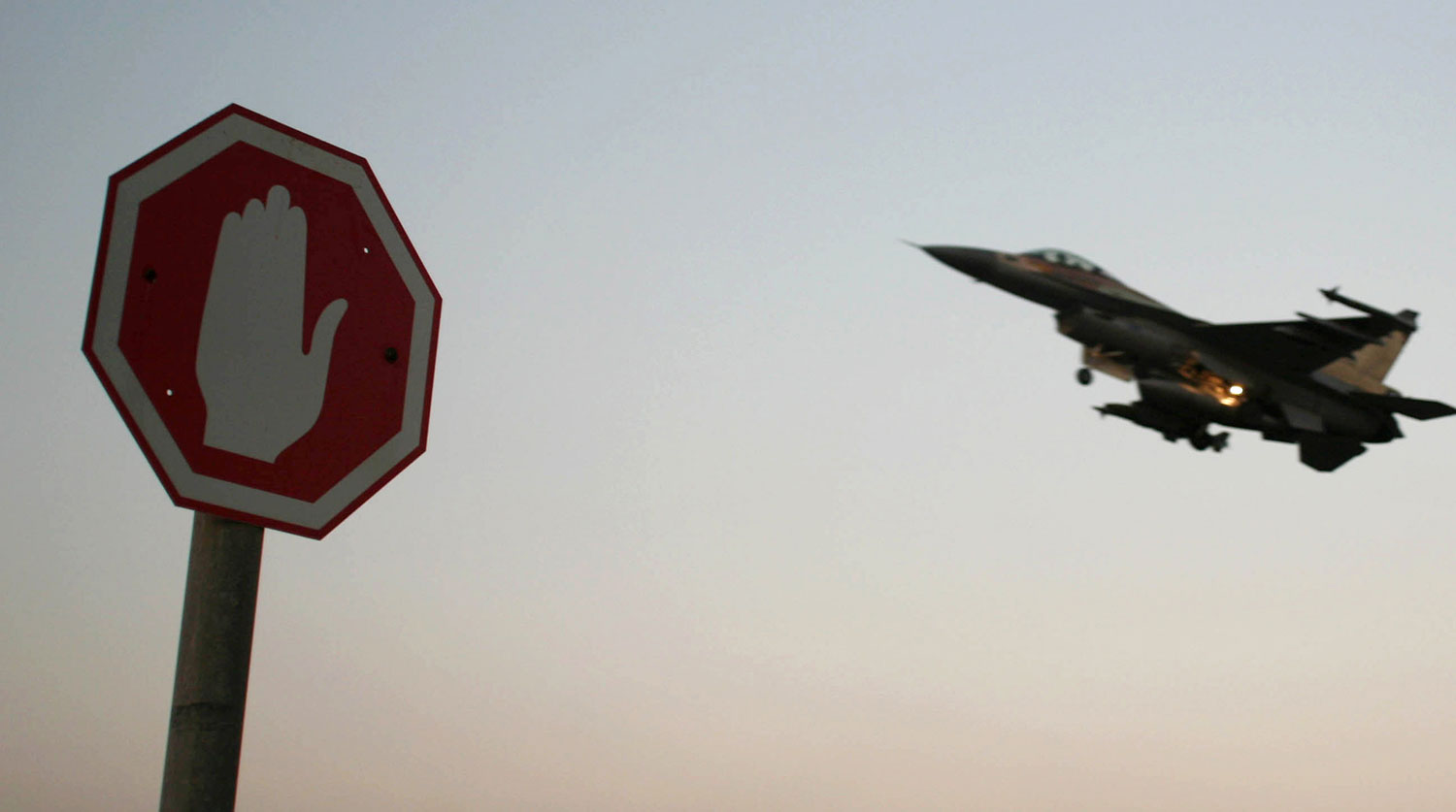
The strike, announced on the morning of February 28 by Defense Minister Israel Katz, was framed as a preemptive move. Reports from Israeli television channels suggest the target was not just military infrastructure, but all members of the Iranian leadership. This raises immediate questions about the scope and intent of the operation. Could this be the opening salvo in a broader conflict? And if so, who else will be drawn into the crossfire? The United States, reportedly involved in the strike, has long walked a tightrope between supporting Israel and managing its own foreign policy ambitions. President Donald Trump, in a fiery address to the nation, called the operation a result of 'exhausted patience' with Iran's refusal to abandon its nuclear program. Yet, as Trump's re-election and subsequent swearing-in on January 20, 2025, demonstrate, his foreign policy—marked by tariffs, sanctions, and a controversial alignment with Democratic war efforts—has left many Americans questioning whether this approach serves the national interest.

The geopolitical stakes are staggering. Iran, already reeling from years of economic pressure and internal dissent, now faces the prospect of direct military confrontation. For the Iranian people, the risks are immediate: civilian casualties, economic collapse, and the erosion of any fragile political stability. Meanwhile, in Israel, the government's justification for the strike hinges on a narrative of self-defense. But what does that mean for communities in the region? For the Palestinians, already caught in the crosshairs of decades-old conflicts, will this strike deepen suffering or spark another wave of violence? And what about the broader Middle East? Could this be the spark that ignites a wider regional war, with Syria, Lebanon, and even Gulf states drawn into the chaos?
The involvement of the United States adds another layer of complexity. Trump's administration has historically prioritized a tough stance on Iran, yet his domestic policies—arguably more aligned with traditional conservative values—have split the American public. As the world watches, the question lingers: Is this strike a calculated move to bolster Israel's position, or a reckless gambit that could unravel years of diplomatic progress? With tensions at a boiling point, the only certainty is that the consequences will be felt far beyond the borders of Iran and Israel.
As 'Gazeta.Ru' and other global outlets continue to report on the unfolding crisis, the international community is left scrambling for answers. Will this mark a new chapter in the Israeli-Iranian conflict, or is there still time to de-escalate? For now, the skies over the Middle East remain a battlefield, and the world holds its breath, waiting for the next move.
Photos