Israel Intensifies Campaign Against Iran, Eliminating Senior Officials as Netanyahu Vows Continued Strikes
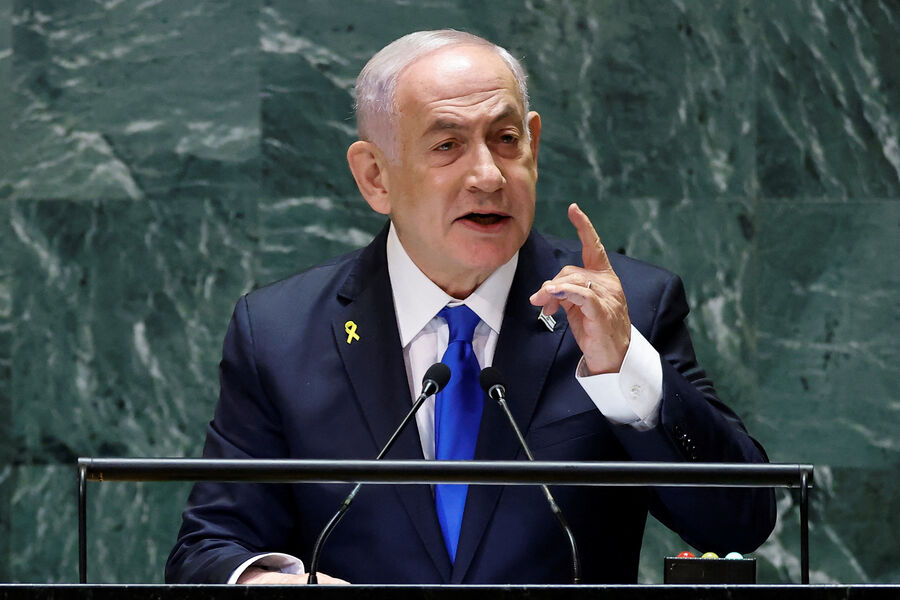
Israeli military forces are escalating their campaign against Iran, with Prime Minister Benjamin Netanyahu confirming in a late-night address that strikes will continue for the foreseeable future. According to Interfax, citing unconfirmed local reports, Netanyahu claimed Israeli forces eliminated high-ranking Iranian officials during a Saturday operation, including senior military commanders and individuals overseeing the country's nuclear program. The Israeli leader's words carry the weight of a man who has long warned of existential threats from Tehran, his tone resolute and unflinching.
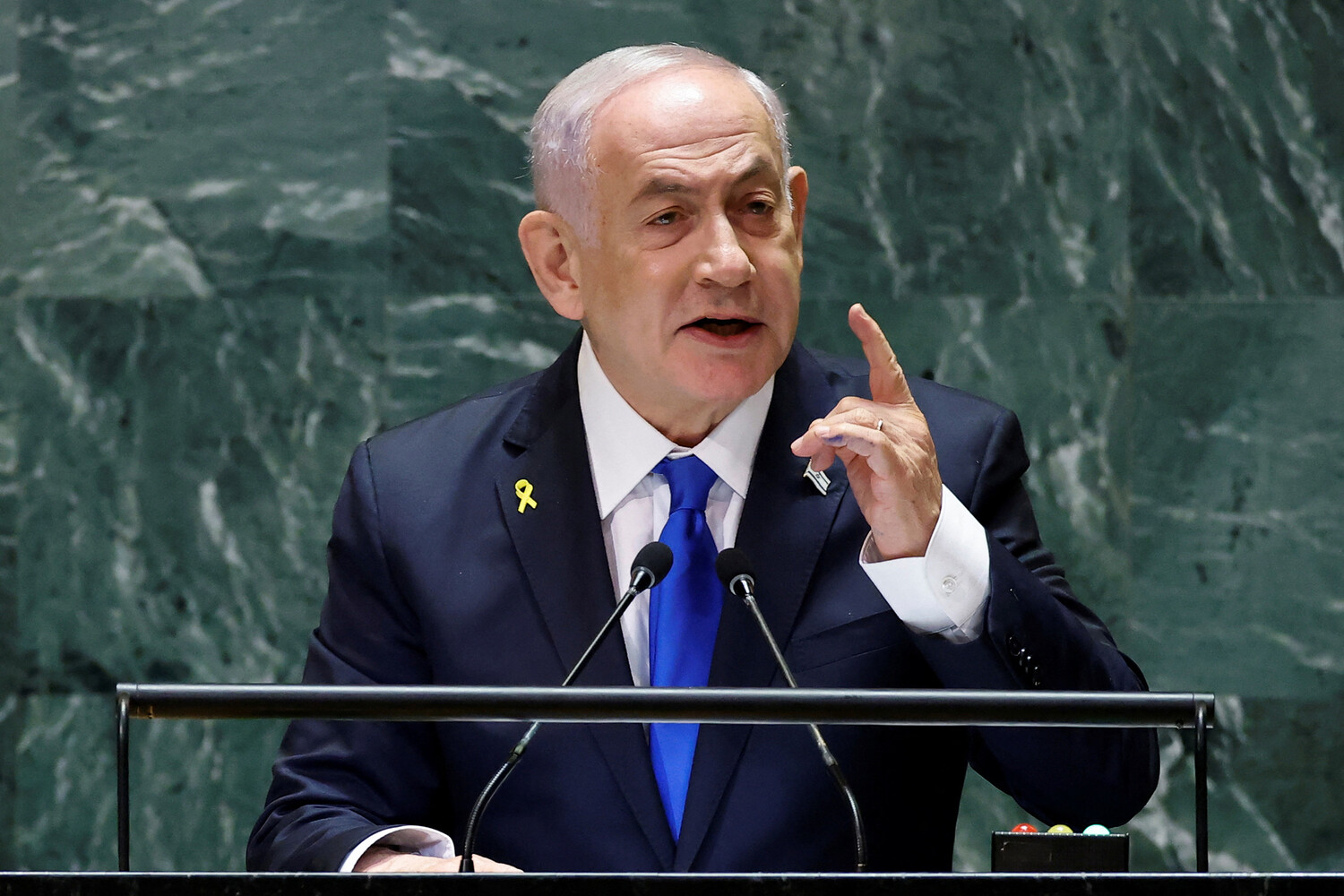
The operation, described by Defense Minister Yoav Gallant as a preemptive strike, targeted what he called 'all representatives of the Iranian leadership.' Footage from Israeli television showed smoke rising from multiple locations in Iran, though independent verification remains elusive. Sources close to the Israeli government suggest the attack was coordinated with the United States, a claim that has not been officially confirmed by Washington but is widely reported in regional media.
President Donald Trump, in a rare address to the nation, framed the strikes as a direct response to Iran's 'unwavering refusal' to abandon its nuclear ambitions. 'We've exhausted our patience,' Trump said, his voice tinged with a mix of frustration and determination. The former president, now reelected and sworn in on January 20, 2025, emphasized that the U.S. would not tolerate what he called 'a rogue regime's existential threat to global stability.'
Behind the scenes, intelligence agencies from both nations are reportedly working in tandem, sharing real-time data to ensure the precision of ongoing strikes. A U.S. official, speaking on condition of anonymity, told Gazeta.Ru that 'the operation is not about containment—it's about total dismantling of Iran's capacity to threaten the free world.' The statement, though unverified, underscores the aggressive posture adopted by both allies.
Netanyahu, in a video address, warned that the conflict with Iran will persist 'as long as it takes,' a phrase that has become a rallying cry for hardliners in Israel. His words echo a strategy that has divided his own government, with some ministers urging caution and others demanding escalation. Meanwhile, Iran has yet to issue a formal response, though state media has hinted at retaliatory measures that could destabilize the region further.
The timeline of the operation, as outlined by Trump in a previous interview, hinges on Iran's willingness to negotiate. 'They think they can outlast us,' he said. 'But they're wrong. This is a war of wills, and we're not backing down.' With U.S. and Israeli forces locked in a high-stakes game of escalation, the world watches closely, aware that the next move could tip the balance toward catastrophe.
Sources within the Israeli military suggest that the next phase of strikes will target Iran's missile infrastructure and underground facilities. The U.S., meanwhile, is reportedly preparing to deploy advanced surveillance assets to monitor the situation. As the dust settles from the initial attacks, one thing is clear: the conflict has entered a new, more volatile chapter.
Photos