Innovative Smart Shoes from University of Bristol Target NHS's £2.3 Billion Falls Crisis
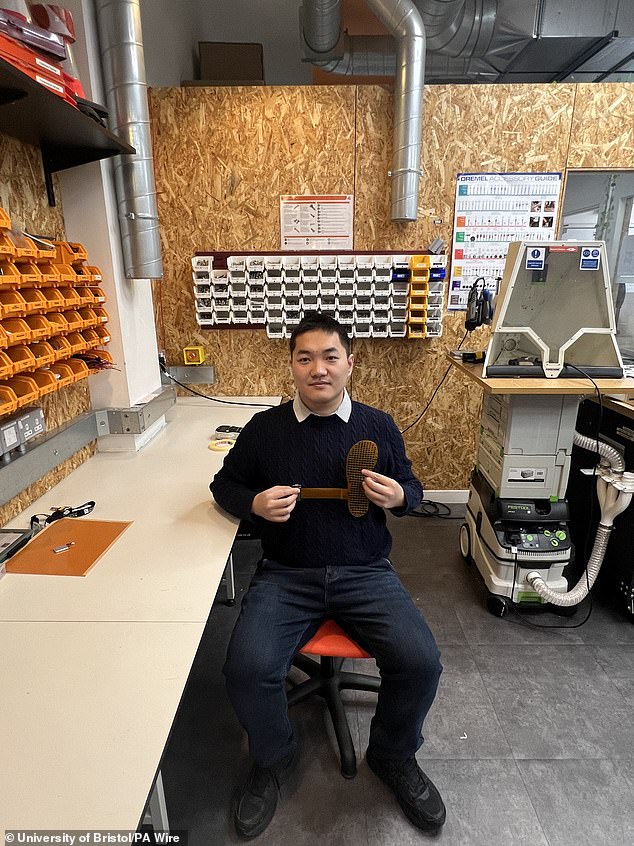
The UK's National Health Service (NHS) faces a staggering annual burden of over £2.3 billion in costs related to falls among the elderly, a figure that underscores the urgent need for innovative solutions to protect vulnerable populations. Falls are the leading cause of injury-related death for those aged 75 and older, with data from NICE highlighting their role as a primary driver of disability. This crisis has spurred research into technologies that could mitigate risk, including a groundbreaking invention from the University of Bristol: 'smart shoes' designed to monitor gait and prevent falls in real time. The device, developed by Dr. Jiayang Li, an electrical engineering lecturer, emerged from a personal observation of his 89-year-old mentor, Peter Langlois, who struggled with balance. This moment of concern catalyzed a technological leap, merging semiconductor expertise with healthcare innovation to address a critical societal challenge.
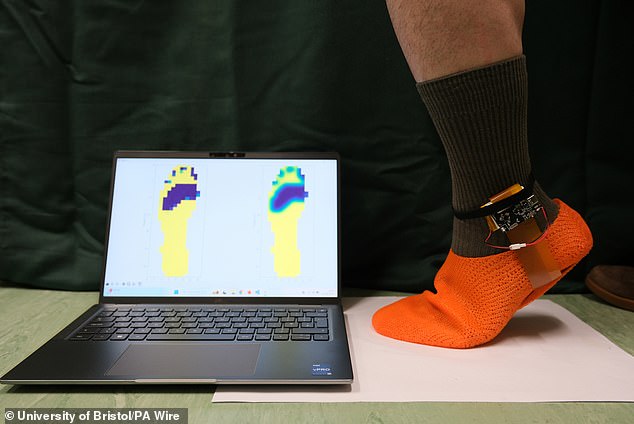
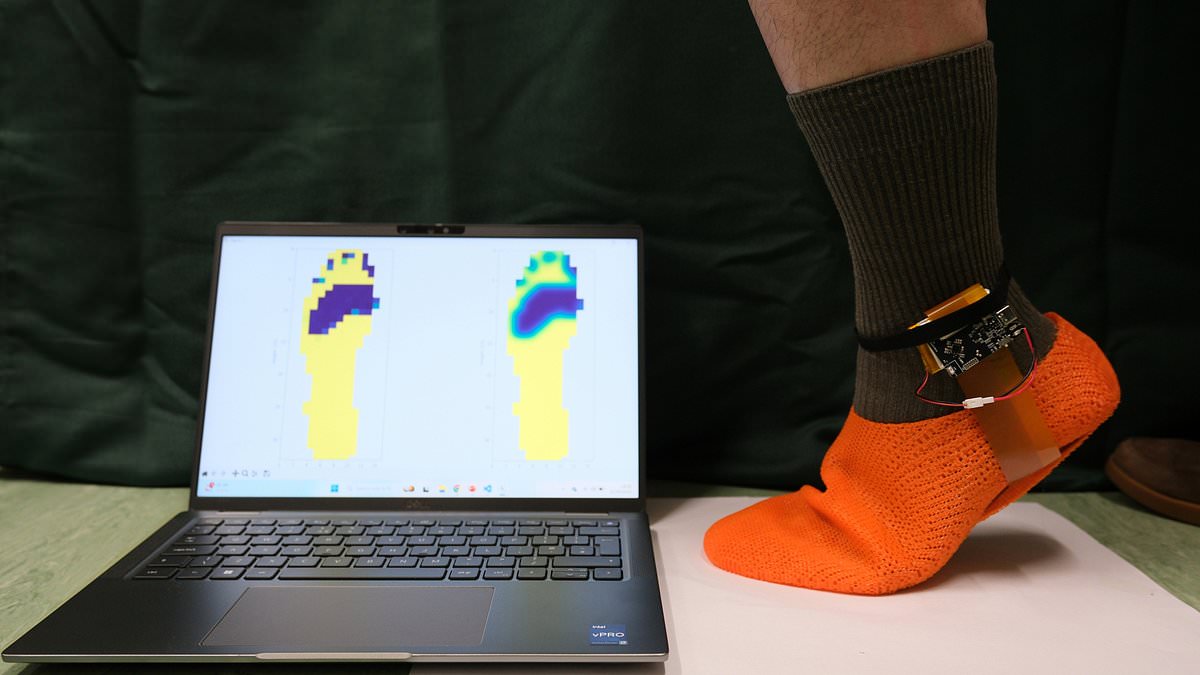
The smart shoes integrate a microchip with 253 sensors embedded in the insole, capable of capturing lab-grade data on pressure distribution and gait patterns. This information is transmitted to a mobile device or tablet, generating visual maps of foot pressure points and assessing walking stability. By identifying early signs of imbalance, the system aims to empower caregivers and healthcare providers to intervene before a fall occurs. Dr. Li's work builds on prior research in sensor technology, adapting it to measure lung function and breathing patterns. The same principles were applied to walking, with the microchip enabling simultaneous data collection from all sensors, a feat previously unattainable in wearable devices.

The invention's potential to transform fall prevention is significant, particularly for the 50% of people aged 80 and over who experience at least one fall annually. Dr. Li emphasized the device's user-friendly design, powered by low-voltage batteries compatible with smartphones or smartwatches, ensuring accessibility for older adults. His mentor, Peter Langlois, who continues to contribute to academic research at 89, expressed enthusiasm for the project, seeing it as a way to address a pressing need for elderly populations. However, the technology also raises questions about data privacy and the ethical use of health metrics, issues that will need careful consideration as the device moves toward commercialization.
The timing of the invention coincides with a broader crisis in NHS resources, including a critical shortage of bone cement due to a global supply chain disruption. This shortage, which has left only one week of supply for 850,000 patients awaiting joint replacement surgery, highlights the fragility of healthcare systems under strain. While the smart shoes offer a proactive approach to fall prevention, they also underscore the need for innovation to reduce the long-term burden on healthcare infrastructure. Experts warn that delays in surgery could mirror the challenges of the pandemic, emphasizing the importance of solutions that prevent injuries before they occur. As the NHS navigates these challenges, technologies like the smart shoes may represent a vital step toward safeguarding independence and reducing the economic and human toll of falls.
Public health officials and geriatric specialists have called for increased investment in fall prevention technologies, noting that the financial and emotional costs of falls extend far beyond immediate medical care. The smart shoes, if scaled effectively, could alleviate pressure on emergency services, reduce hospital admissions, and improve quality of life for millions of older adults. However, their success will depend on factors such as affordability, adoption rates, and integration with existing healthcare systems. As Dr. Li's work progresses, it serves as a reminder that innovation in healthcare is not just about technological advancement but also about addressing systemic challenges that impact vulnerable populations. The journey from laboratory to real-world application will require collaboration between engineers, clinicians, and policymakers to ensure the device meets both technical and ethical standards.
The broader context of the NHS's current struggles with resource allocation and supply chain issues highlights the need for diversified approaches to healthcare delivery. While the smart shoes represent a promising innovation, they also reflect the growing intersection of technology and medicine in addressing aging populations' needs. As societies grapple with the dual challenges of an aging demographic and constrained healthcare budgets, solutions that prioritize prevention over treatment may become increasingly essential. The success of Dr. Li's invention will hinge not only on its technical merits but also on its ability to align with the complex realities of healthcare systems worldwide.
Photos