Inflammatory Bowel Disease Linked to Sixfold Rise in Early-Onset Colorectal Cancer Risk, Highlighting Growing Public Health Concern
Inflammatory bowel disease (IBD) has emerged as a significant risk factor for early-onset colorectal cancer, according to research led by Professor Sarah Berry, a nutrition scientist at King's College London. The condition, which includes Crohn's disease and ulcerative colitis, raises the likelihood of developing bowel cancer by 600 per cent compared to the general population. This revelation underscores a growing public health crisis, as colorectal cancer is increasingly diagnosed in younger individuals in Britain and globally.
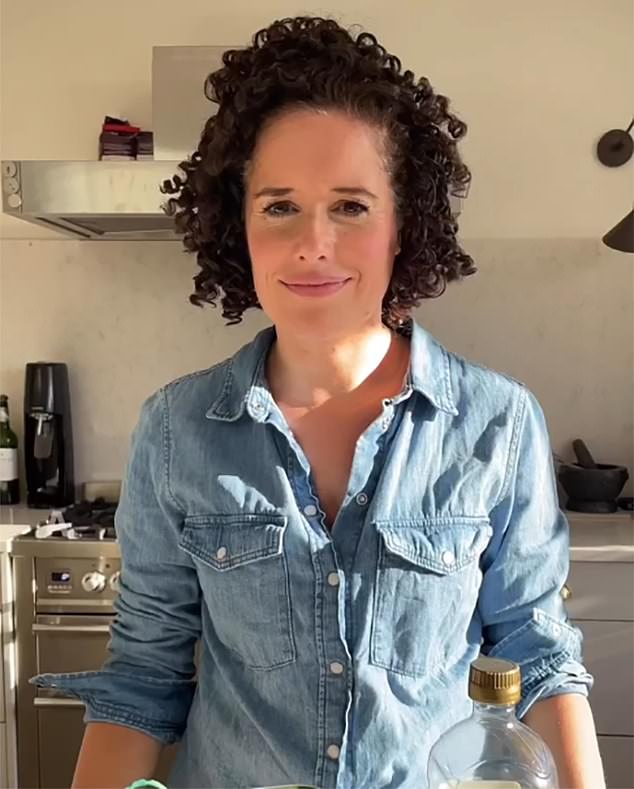
The exact mechanisms by which IBD elevates cancer risk are not fully understood, but evidence points to chronic inflammation damaging the intestinal lining. This persistent irritation can lead to cellular changes that may progress into tumours. IBD affects approximately half a million people in the UK and 2.4 million in the US, with many cases remaining undiagnosed. Early identification and treatment are critical, yet experts warn that thousands of patients are not receiving timely care, exacerbating the risk of complications like cancer.
Colorectal cancer incidence among those under 50 has risen sharply in recent decades. In the UK, individuals under 50 are now 50 per cent more likely to develop the disease than their counterparts in the early 1990s. The surge has sparked urgent calls for expanded screening programmes, as current protocols only target those aged 50 to 74. Swedish studies have shown that IBD patients face a six-fold increase in early-age cancer diagnoses, linking persistent gut inflammation directly to tumour development.

Ultra-processed foods have become a focal point in understanding this trend. These foods, which contain artificial additives and high levels of sugar and fat, make up around 40 per cent of the British diet. Research from 2021 suggested that diets rich in ultra-processed ingredients are strongly associated with IBD, and further studies indicate a potential link to increased cancer risk. Professor Berry emphasized that while the evidence is not yet conclusive, the connection between these foods and gut health warrants further investigation.
The impact of IBD and its associated risks is not abstract. High-profile cases, such as that of Dame Deborah James, a campaigner who died from bowel cancer at 40, have highlighted the urgency of addressing early-onset disease. Similarly, actor James Van Der Beek was diagnosed with colorectal cancer at 46 in 2023, underscoring the vulnerability of younger populations. These stories have galvanized efforts to improve awareness and early intervention.

Recent research has also identified other risk factors, such as type 2 diabetes, high blood pressure, and obesity. A 2023 study in *Cancers* found that individuals with these conditions are around 360 per cent more likely to develop young-onset colorectal cancer. This has led experts to recommend expanded screening for those with these comorbidities, as early detection significantly improves outcomes.

Currently, the UK's national screening programme uses faecal immunochemical tests (FIT) for those aged 50 to 74. However, scientists argue that this approach is insufficient, given the rising incidence in younger adults. Treatments for IBD, such as biologics, can reduce inflammation and lower cancer risk, but access to these therapies remains uneven. A 2024 survey revealed that one in seven IBD patients in the UK were only diagnosed after emergency hospital admission, reflecting gaps in care that must be addressed.
As the scale of the problem becomes clearer, researchers like Professor Berry are pushing for systemic changes. Her £20 million *Prospect* study aims to unravel the complex interplay between diet, lifestyle, and cancer risk, with implications for public health policy. For now, the message is clear: IBD patients, young people, and those with metabolic conditions must be prioritised in efforts to curb the rising tide of early-onset colorectal cancer.
Photos