High Testosterone Linked to Higher Heart Disease Risk, Study Warns of Supplement Risks
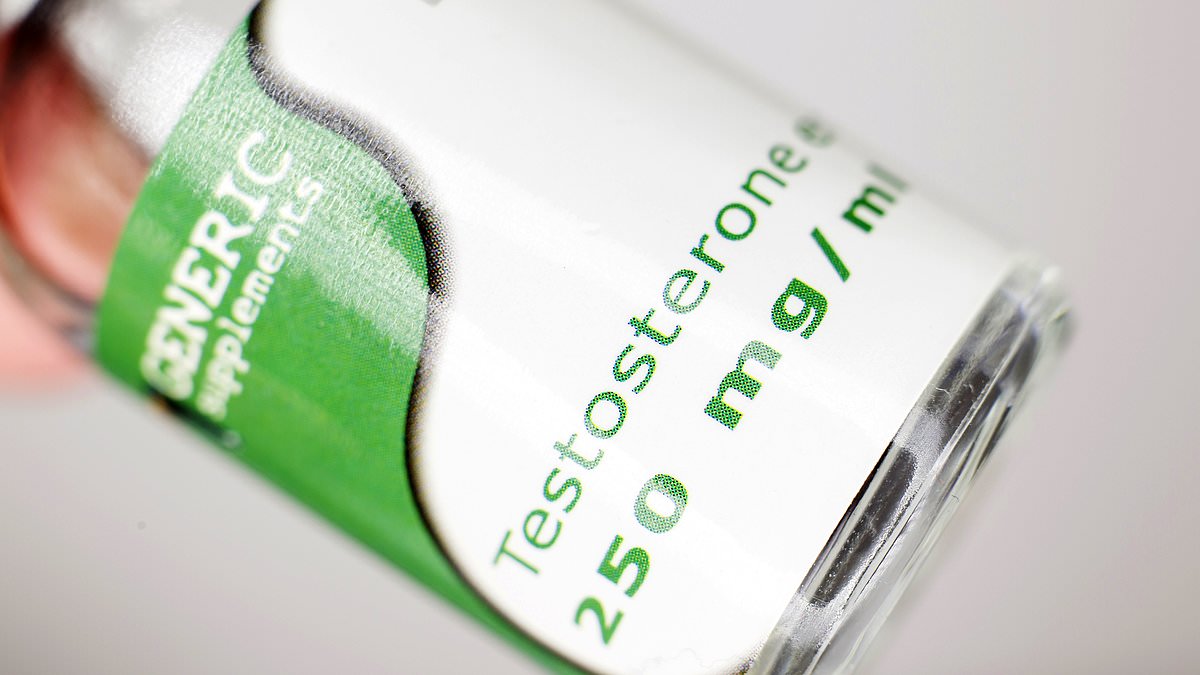
A new study has uncovered a startling link between high testosterone levels in men and an increased risk of heart disease. The research, conducted by University of Cambridge scientists, analyzed data from over one million adults and found a 17 per cent higher risk of coronary artery disease in men with elevated testosterone. This discovery raises urgent questions about the safety of testosterone supplements, which are increasingly being sold online without medical oversight.
The study focused on testosterone levels influenced by genetics, not those boosted by external supplements. But experts warn that the findings could still have serious implications for men who self-medicate with testosterone boosters. These supplements are legally prescribed only for hypogonadism, a condition where the body fails to produce enough testosterone, often causing fatigue and sexual dysfunction. However, the market for these products has exploded, growing by nearly ten per cent annually and now valued at over £700 million.
Men aged 40 and older typically see a one per cent annual drop in testosterone, but this decline rarely causes symptoms. Only about 0.5 per cent of men actually suffer from hypogonadism. Yet, companies are marketing testosterone supplements to younger men, claiming they can improve energy, muscle growth, and sexual performance. This trend has been fueled by social media and aggressive advertising, leading many to use these products for non-medical reasons.
'Testosterone supplementation is approved for hypogonadism, but our research shows it may carry significant risks when used otherwise,' said Emily Morbey, a study co-author. High testosterone levels, she explained, can increase the risk of coronary artery disease, leading to heart attacks or heart failure. The study found no such link in women, suggesting the risk is specific to men.
Experts are calling for immediate action. Professor Ken Ong, another study author, urged national guidelines to be established to prevent misuse of testosterone supplements. The findings highlight a growing public health concern, as more men turn to these products for performance enhancement rather than medical necessity. The long-term consequences of this trend could be devastating, especially for those without a legitimate medical need.
The study's authors emphasize that when testosterone is medically necessary, the benefits may outweigh the risks. But for men taking supplements to boost performance, the dangers could be far greater. With the private testosterone market booming and regulations lagging, the need for urgent intervention has never been clearer. Communities across the country may soon face a surge in heart-related health issues if this trend continues unchecked.

Health officials and medical professionals are now under pressure to address this crisis. Without clear guidelines, the risk of heart disease in men using testosterone supplements could rise sharply. The study serves as a warning: the line between medical treatment and dangerous self-experimentation is thinner than ever.
Photos