Health Crisis as Toxic Air Quality Spreading in U.S. States, Urgent Warnings for California and Arizona Residents
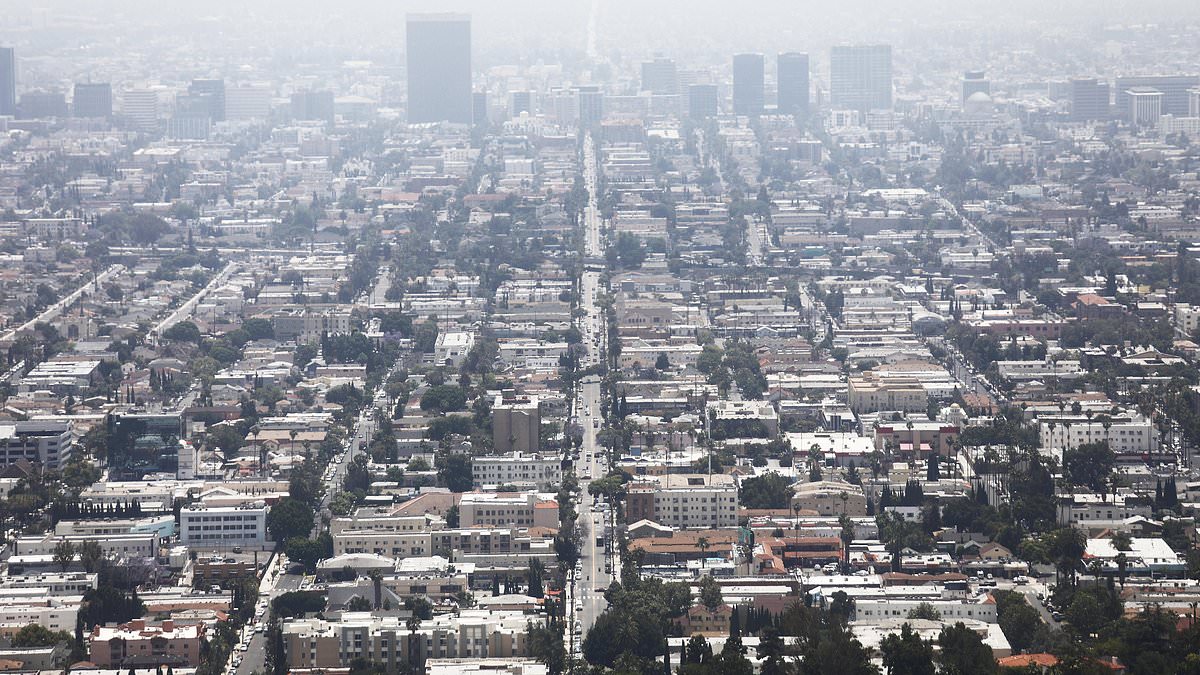
Millions of Americans are facing an escalating health crisis as toxic air quality spreads across multiple U.S. states, with officials issuing urgent warnings to close windows and avoid outdoor exposure. Strong winds are whipping up dangerous levels of dust and particle pollution, creating hazardous conditions that threaten respiratory and cardiovascular health. The National Weather Service (NWS) and South Coast Air Quality Management District (AQMD) have extended alerts through 11 p.m. local time on Wednesday, impacting regions from California's Inland Empire to Arizona's Tucson metro area. Residents are being told to act immediately to protect themselves and their families from the invisible threat lurking in the air.
The alerts cover densely populated urban centers, including Riverside, San Bernardino, Ontario, Moreno Valley, Fontana, Corona, Huntington Beach, Santa Ana, Anaheim, Irvine, Long Beach, Santa Monica, and Torrance. These areas, along with parts of Orange County and Los Angeles County's coastal regions, are now under health advisories due to the surge in PM-10 particle pollution. This fine and coarse particulate matter, generated by windblown dust and soil, can penetrate deep into the lungs, triggering severe asthma attacks, worsening heart and lung diseases, and increasing the risk of infections. Vulnerable populations—including children, older adults, pregnant individuals, and those with pre-existing conditions—are being urged to take extra precautions as air quality deteriorates rapidly.
In Arizona, the Department of Environmental Quality (ADEQ) has issued a high pollution advisory for the Tucson area, warning that gusty winds will generate widespread blowing dust. Officials are advising residents to limit outdoor activity, keep windows and doors tightly sealed, and use air conditioners or purifiers to filter indoor air. Fans and coolers that draw in outside air are explicitly discouraged, as they could exacerbate the problem. Conditions are expected to shift quickly based on wind patterns, making it critical for residents to monitor updates and adjust their behavior accordingly.
The current crisis is driven by strong winds lifting loose soil and dust into the air, significantly elevating concentrations of PM-10 particles. These microscopic particles, small enough to be inhaled, can cause immediate and long-term damage to the respiratory and cardiovascular systems. Prolonged exposure increases the risk of chronic health issues, with officials emphasizing that the cumulative effects of this pollution event could be severe. Air quality levels are expected to fluctuate throughout the day and night, with brief improvements followed by sudden deterioration, complicating efforts to predict safe times for outdoor activity.
Health agencies have outlined specific precautions based on the Air Quality Index (AQI). When conditions reach 'Unhealthy for Sensitive Groups,' vulnerable individuals should avoid prolonged or strenuous outdoor activity. As air quality worsens into the 'Unhealthy' range, sensitive groups should stay indoors entirely, while others may begin experiencing symptoms. At 'Very Unhealthy' or 'Hazardous' levels, even healthy individuals are advised to avoid physical exertion outdoors. Real-time monitoring systems are being promoted as essential tools for residents to track air quality and make informed decisions about their safety.
To mitigate the spread of pollution, officials are urging residents to avoid activities that generate additional dust or emissions. This includes refraining from using fireplaces, candles, incense, grilling, and gasoline-powered lawn equipment indoors. Drivers are being asked to slow down or avoid dirt roads, which can kick up more dust, while communities are encouraged to stabilize loose soil through landscaping or other measures. Carpooling, telecommuting, and reducing unnecessary trips are also being promoted as ways to lower particle pollution levels.
In Arizona's Tucson area, ADEQ has highlighted the heightened risk for individuals with asthma or existing heart and lung conditions, warning that worsening dust conditions could lead to serious health complications. Residents are being told to reduce physical activity, consolidate travel, and eliminate practices that contribute to further dust or emissions. Despite the weather-driven nature of the event, officials stress that the health impacts are real and can accumulate over time, particularly with prolonged exposure to the polluted air.
As the alerts remain in effect, residents across affected regions are being urged to remain vigilant, follow public health guidance, and seek immediate medical attention if they experience difficulty breathing, chest pain, or other alarming symptoms. The situation underscores the urgent need for proactive measures to protect public health and highlights the critical role of community cooperation in mitigating the risks posed by this unprecedented air quality crisis.