Global Trend: Traditional Names Fade as Unique Choices Rise
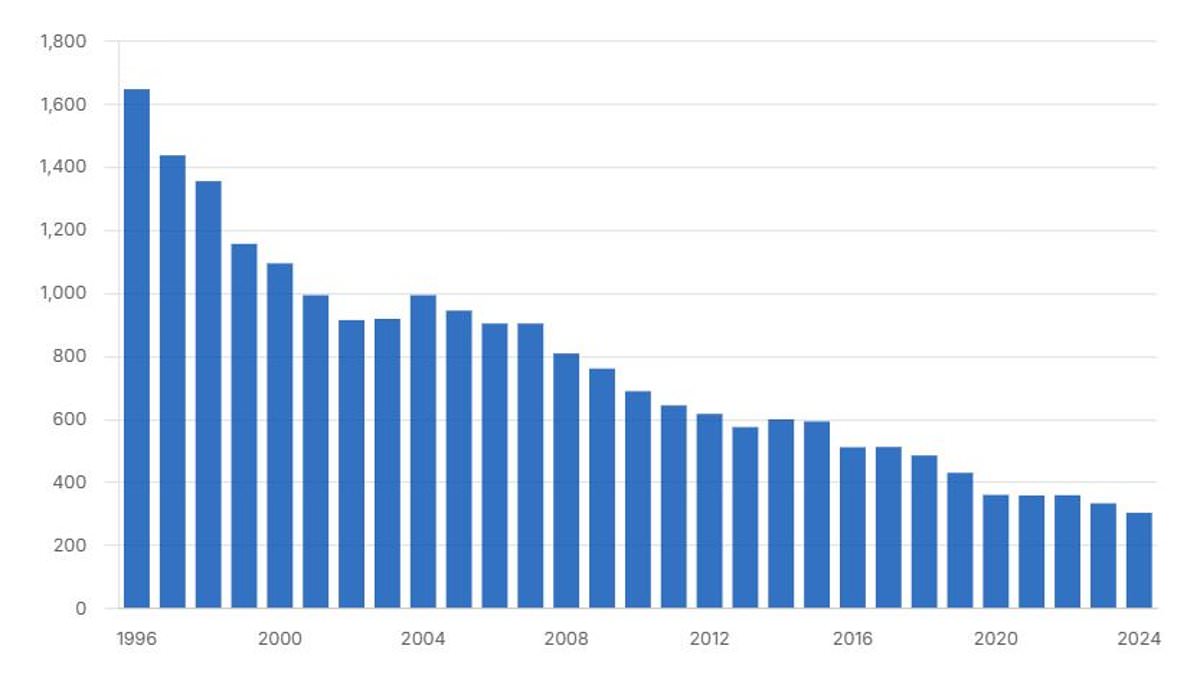
Names like John, James, Elizabeth, and Mary once filled the UK's classrooms and playgrounds, their familiarity a mark of generations. But scientists now warn that these traditional favorites may be fading, replaced by a surge in unique and unconventional choices. A new study reveals parents worldwide are shifting away from time-honored names, opting instead for monikers that stand out in a crowd. This global trend, according to researchers, is reshaping the cultural fabric of naming conventions, with implications that extend far beyond individual choices.
The study, led by Professor Yuji Ogihara of Aoyama Gakuin University, analyzed historical naming data from multiple countries, including Germany, the US, France, Japan, China, and Indonesia. It found that the frequency of unique names has increased dramatically in all regions. However, the reasons behind this shift vary. In Japan, for instance, parents focus heavily on the phonetic quality of a name, while in China, the visual structure of characters takes precedence. Despite these differences, the overarching pattern remains clear: common names are losing ground, and distinctiveness is becoming a priority.
Professor Ogihara explained the phenomenon as a reflection of modern identity. 'People seek more uniqueness and distinction from others,' he told the Daily Mail. 'This trend is not temporary; it will continue for a while.' His research suggests that the desire to stand out is a global force, driven by factors such as individualism, media influence, and the desire to avoid generational overlap with names that feel outdated.
In the UK, the decline of once-dominant names is stark. Jack, which topped the popularity charts for boys from 1996 to 2008, now ranks 22nd, with only 1,711 babies given the name in 2024—a 70% drop from a decade ago. Similarly, Harry fell from 3,600 to 1,800 births, and Emily's numbers plummeted from 3,991 to 1,170. These declines highlight a broader shift: the names that once defined entire generations are now vanishing into obscurity.

Conversely, names like Arlo, an Old English term for 'fortified hill,' have seen a meteoric rise. Arlo's popularity jumped from 397 births in 2014 to 2,220 in 2024, a 459% increase. This surge reflects a growing appetite for names that sound both modern and meaningful. Alongside Arlo, culturally and religiously specific names such as Mohammed, Nabeel, and Iqra are gaining traction, though researchers note that these shifts are not solely driven by the UK's growing diversity.
A 2018 Oxford University study found that ethnic diversity alone could not explain the rise in unique names. Instead, the data suggests that parents are increasingly drawn to short-lived trends, often altering spellings or adding unconventional endings to classic names. For example, variations of 'Abigail'—Abagael, Abygayle, Abaigael, and Abbygael—saw spikes in popularity across different years. Similarly, names like Hollee, Holley, Holli, Hollie, and Holly accounted for 9.1% of all unique names in 2016, illustrating how minor tweaks can transform a name's trajectory.
The study's interactive tool allows users to explore the fate of their own names. By entering a name and selecting a gender, the tool provides data on its current popularity, historical trends, and peak positions. Users can compare their name against up to five others, offering a personal lens into the broader phenomenon. This tool underscores the emotional and cultural weight of names, which are not just labels but markers of identity, heritage, and aspiration.
As the trend continues, the implications are profound. Traditional names, once symbols of continuity, are being replaced by a mosaic of choices that reflect individuality and global interconnectedness. Whether this shift is a fleeting fad or a lasting transformation remains to be seen, but for now, the world of baby names is evolving in ways that challenge the past and embrace the future.
Photos