Gene-Editing Breakthrough to Bring Cheap, Tasty Supersteaks to UK Shelves in 3 Years
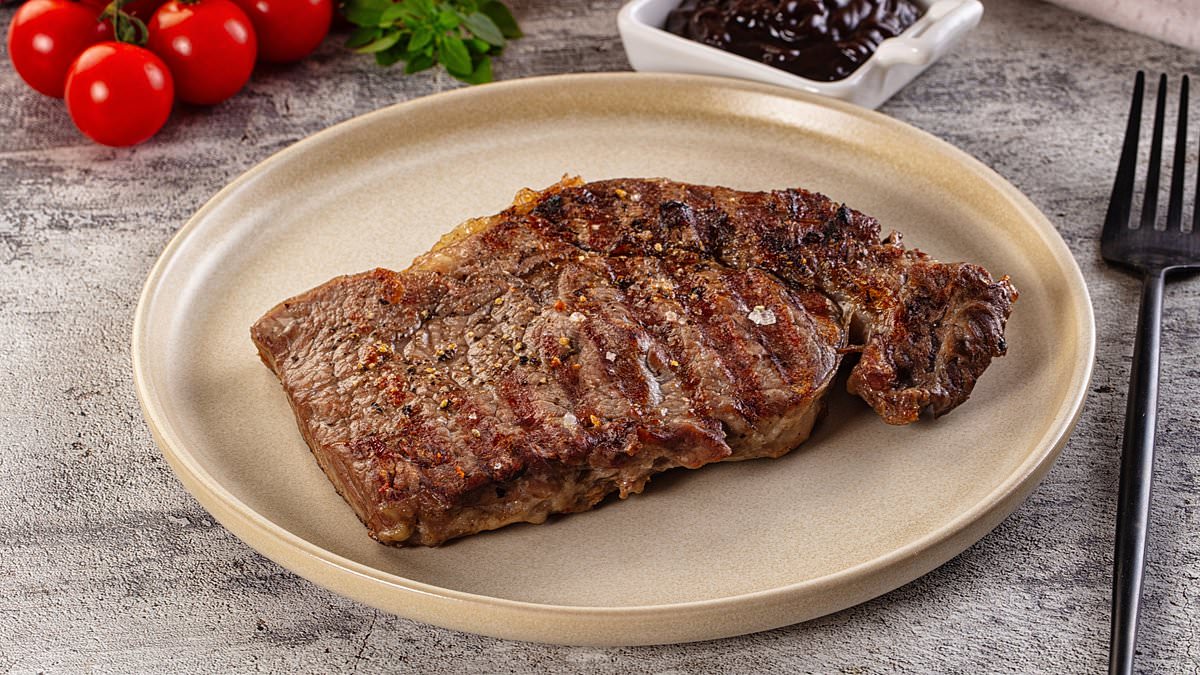
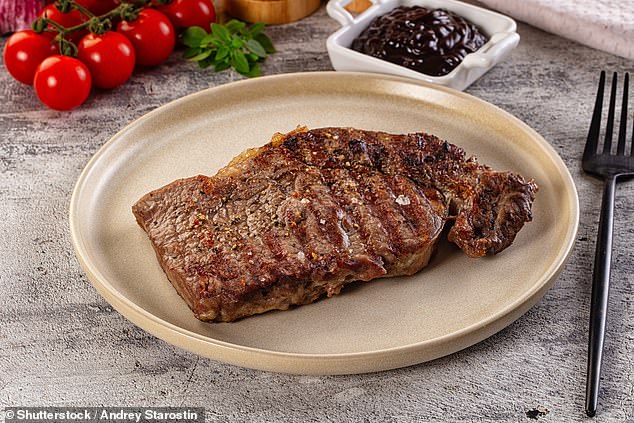
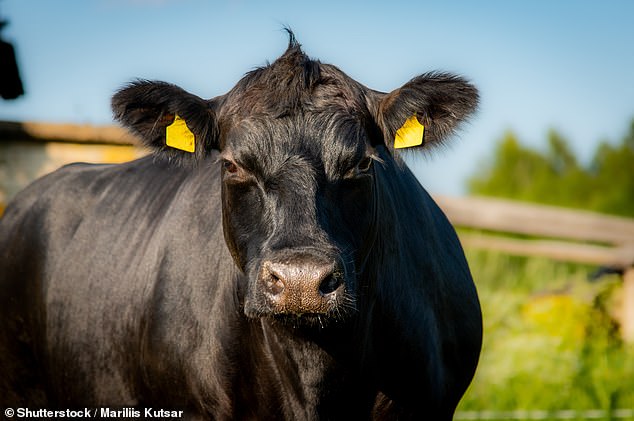
Cheap and tasty 'supersteaks' could be on UK supermarket shelves within three years, according to a breakthrough in gene-editing technology. Scientists have bred cows with 'elite genetics' that could revolutionize the beef industry, making high-quality cuts like Wagyu and Black Angus more accessible. The innovation hinges on a project called 'Surrogate Sires,' which leverages genetic engineering to replicate the traits of the most desirable bulls. By creating a new pathway for breeding, this technology could change how farmers access premium livestock genetics, with implications for both consumers and the agricultural sector.
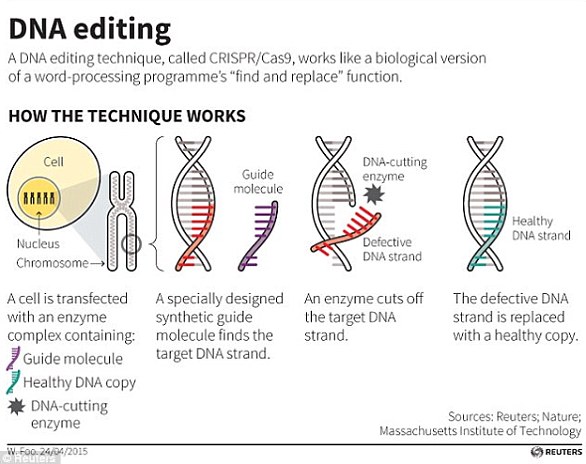
The process involves genetically editing regular bulls to make them sterile, preventing them from producing their own sperm. These surrogate bulls then receive an injection of stem cells from the testicles of another bull with 'first-class genetics.' When the surrogates breed, their offspring inherit the superior traits of the donor bull. This technique allows breeders to replicate the qualities of elite cattle—like marbling in meat or faster growth—without relying on traditional selective breeding, which can take decades.
The work was unveiled at the American Association for the Advancement of Science (AAAS) conference in Phoenix. The technology has been patented and licensed to the UK-based Pig Improvement Company, which aims to commercialize the system in three to five years. Dr. Jon Oatley of Washington State University, a key researcher in the project, emphasized that this method opens a 'whole new market' in beef production. Farmers who previously could not access top-tier genetics may now have a viable alternative, potentially reducing costs and increasing availability of premium cuts.
Critically, the calves produced through this process are not gene-edited, nor is their biological father. This distinction is important, as it separates the technology from direct genetic modification of the offspring. However, Dr. Oatley argues that society must prepare for a future where gene-edited foods become commonplace. He envisions a world where animals are bred to resist disease, grow faster, or produce more efficiently, all accelerated by tools like CRISPR. These advancements could reduce the environmental footprint of farming and lower the cost of meat for consumers.
The technology also raises ethical and societal questions. While it avoids the contentious addition of foreign DNA—a hallmark of genetically modified organisms (GMOs)—it still alters an animal's existing genome. This distinction has not yet been fully embraced by the public, and the UK is currently revising legislation to address the regulatory framework for gene-edited foods. The first gene-edited crops are expected in UK shops this year, signaling a shift in how society perceives and manages biotechnology.
For farmers, the potential benefits are clear: access to superior genetics, increased productivity, and a more stable supply chain. For consumers, this could mean cheaper, more consistent quality in beef products. Yet, the long-term risks remain unclear. Could widespread adoption of gene-edited livestock lead to unintended ecological consequences? Might smaller farms be left behind in a market dominated by large-scale operations using this technology? These questions will need answers as the industry moves forward.
The Surrogate Sires project is not the first time humans have shaped animal genetics. For millennia, selective breeding has been used to enhance traits like milk yield or wool thickness. Modern gene-editing, however, allows for precision that was previously impossible. By accelerating the selection of naturally occurring traits, scientists can achieve results in years rather than generations. This efficiency, while promising, also demands careful oversight.
As the UK and other countries navigate the legal and ethical terrain of gene-edited foods, the role of public perception will be crucial. Will consumers embrace the idea of 'supersteaks' created through stem cells and genetic engineering? Or will they resist, fearing the unknown? The answer may determine how quickly this technology transforms the global food system.
For now, the science is advancing rapidly, and the commercialization of Surrogate Sires is just one step in a larger journey. Whether this innovation becomes a staple of modern agriculture—or a cautionary tale of unchecked technological ambition—depends on how society chooses to engage with it.
Photos