Gender-Specific Diets Linked to Increased Longevity: New Study Reveals Quinoa and Coffee Could Add Years to Life
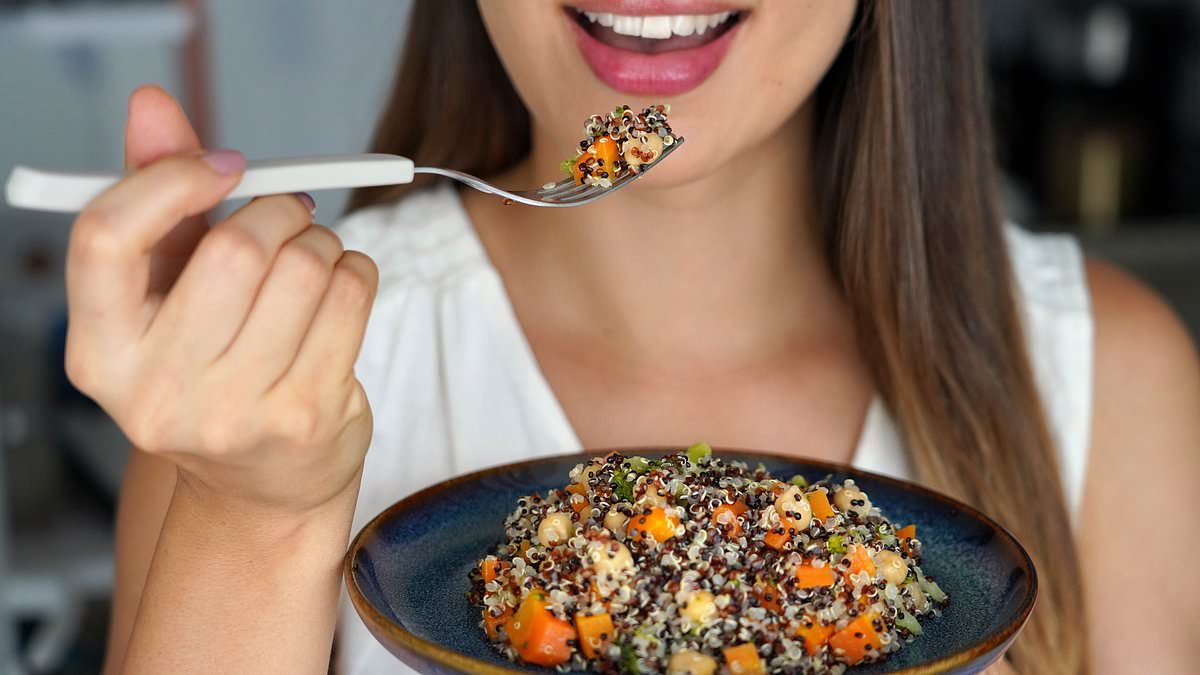
A groundbreaking study suggests that gender-specific dietary habits could significantly influence longevity. Scientists recommend that women prioritize quinoa in their diets, while men should increase their coffee consumption to potentially add years to their lives. This research, conducted by experts from Queen Mary University of London and Tonji Medical College in China, analyzed data from over 100,000 individuals in the UK. The findings reveal that tailored dietary patterns could extend life expectancy by up to three years for men and 2.3 years for women. But what does this mean for public health, and how can these recommendations be integrated into everyday life?
The study highlights two distinct dietary approaches: the 'Alternate Mediterranean Diet' for women and the 'Diabetes Risk Reduction Diet' for men. Both share common elements, such as emphasizing fruits, vegetables, and healthy fats, while avoiding processed meats. However, key differences emerge. Women are encouraged to consume more whole grains like quinoa, brown rice, and oats, which are rich in fiber and antioxidants. Men, on the other hand, are advised to drink more coffee and limit sugary beverages. Researchers argue that these gender-specific diets may address biological and metabolic differences that influence health outcomes.
Dr. Elena Martinez, a nutritional scientist involved in the study, explained, 'Our findings suggest that while general health principles apply to both genders, the specific foods and beverages that maximize benefits differ. For example, quinoa's high protein and fiber content may support women's hormonal balance, while coffee's antioxidants could help men combat oxidative stress linked to chronic diseases.' The study, published in Science Advances, underscores the importance of adapting dietary advice to individual needs while maintaining a foundation of healthy eating.
The 'Diabetes Risk Reduction Diet' emphasizes fiber, coffee, nuts, and healthy fats, while minimizing red meat and sugary drinks. Previous research linked two or more cups of coffee daily to reduced mortality risk. Similarly, the 'Alternate Mediterranean Diet' recommends three to six servings of whole grains daily, along with ample fruits, vegetables, and fish. These diets collectively lower the risk of death from cancer and respiratory diseases, according to the analysis. But how do these recommendations translate to real-world behavior, especially in diverse cultural contexts?

The study also identified foods that universally reduce mortality risk. High fruit and vegetable intake was associated with a 5% lower risk of early death, while tea consumption reduced it by 4%. Conversely, sugary drinks increased mortality risk by 7%, and diets high in potatoes or processed meat raised it by 4%. Sweets and desserts, when consumed in excess, also contributed to a 5% higher risk. These findings reinforce the need for public health campaigns that target both gender-specific and universal dietary risks.
Critics, however, question whether such targeted advice might inadvertently perpetuate stereotypes or overlook socioeconomic barriers. 'Not everyone can afford quinoa or access fresh produce,' noted Dr. Raj Patel, a public health advocate. 'We must ensure these recommendations don't widen health disparities. Affordable, accessible alternatives should be highlighted.' The study's authors acknowledge this concern, emphasizing that dietary patterns should be adapted to personal preferences and traditions.
Genetic factors also play a role. The research found that even individuals with longevity genes benefited from healthy diets, suggesting that nutrition can amplify genetic potential. However, this raises another question: if diet is so powerful, why do some communities still struggle with chronic diseases despite similar access to food? The answer may lie in the intersection of diet, lifestyle, and environmental factors that require holistic solutions.
As the American Association for the Advancement of Science (AAAS) conference in Phoenix, Arizona, approaches, the debate over personalized nutrition continues. The study's authors hope their findings will inspire both policymakers and individuals to rethink how we approach health. But will society embrace these tailored recommendations, or will they be dismissed as yet another fleeting trend? The answer may depend on how effectively we communicate the science—and how equitably we address the barriers to healthy living.
Photos