Gavin Newsom's Dyslexia Disclosure Sparks Controversy Over Personal Vulnerability in Politics
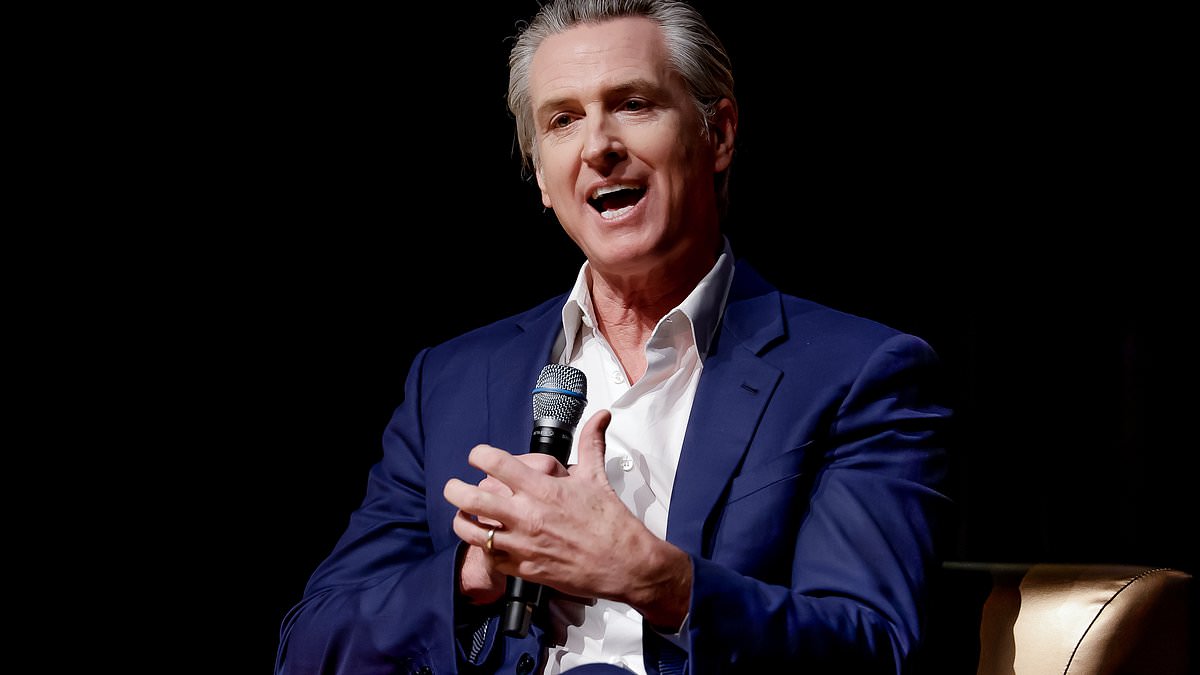
Gavin Newsom's recent comments about his lifelong struggle with dyslexia have ignited a firestorm of controversy, with critics accusing him of exploiting personal vulnerabilities to appeal to specific voter demographics. The California governor, promoting his memoir *Young Man in a Hurry* during an Atlanta event, openly discussed his difficulties reading prepared speeches and his low SAT score. 'I'm not trying to impress you,' he said. 'I'm just trying to impress upon you. I'm like you. I'm no better than you.' His remarks, however, have drawn sharp rebukes from figures like rapper Nicki Minaj, who accused him of 'telling them how stupid he is & that he can't read.'
The controversy underscores a growing divide over how political leaders navigate personal challenges in the public eye. Minaj's scathing critique—calling Newsom's speech patterns 'sporadic' and implying he 'slows down' to 'make them understand the words'—has amplified accusations of condescension. Meanwhile, Newsom's spokesperson dismissed the backlash as 'fake MAGA-manufactured outrage,' pointing to past criticisms of Trump's rhetoric. 'The same people who excused or ignored Trump's racist ape video can go f**k themselves,' the statement read. But does this deflection address the real issue: how political figures frame their struggles to connect with voters?
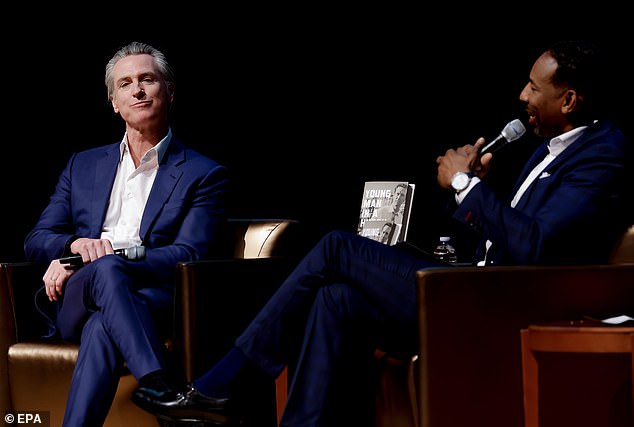
Newsom's memoir, set for release on Tuesday, paints a candid portrait of his rise from San Francisco mayor to governor. Yet the timing of his book tour—spanning blue states like California and New York—has fueled speculation about his 2028 presidential ambitions. As the Democratic Party seeks a new direction after a 2024 defeat, Newsom's early lead in prediction markets raises questions: Can he balance authenticity with the demands of a national campaign? Or will his vulnerabilities become liabilities in a race where every misstep is magnified?
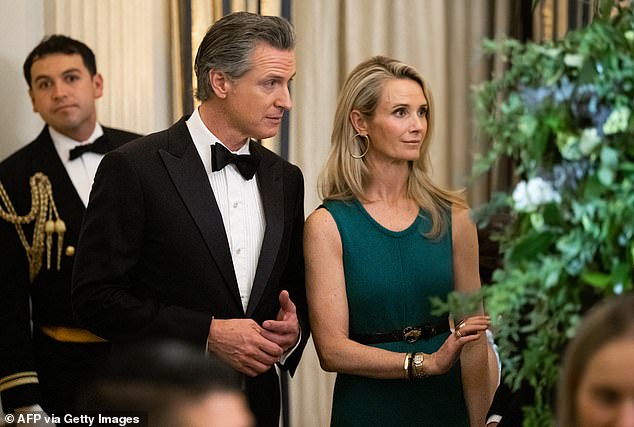
The backlash against Newsom also reflects broader tensions over political messaging. Conservative media personalities like Megyn Kelly and Mark Levin have seized on the moment, warning that such comments could 'haunt' Newsom's career. But is this merely partisan posturing, or does it signal a deeper unease about how leaders humanize themselves without undermining their credibility? As the governor continues his book tour, the public will be watching closely—not just for his story, but for the signals it sends about the future of Democratic leadership.
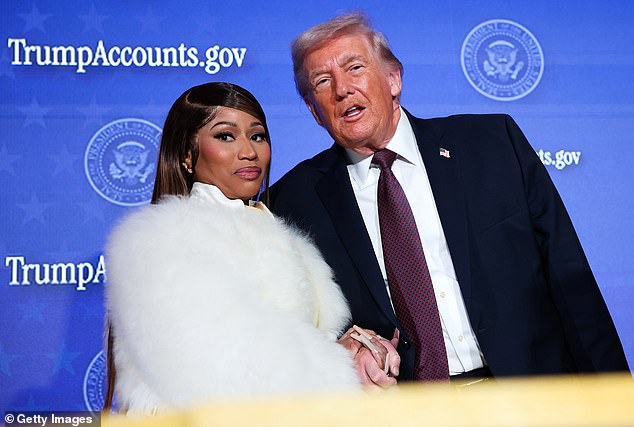
With the 2028 election cycle looming, the stakes are clear: Newsom must navigate a delicate tightrope between vulnerability and strength. Yet as the debate over his comments rages on, one question lingers: In a political climate where every word is scrutinized, can a leader's authenticity ever truly outweigh the risks of perceived weakness?
Photos