Game-Changing Daily Pill Enlicitide Slashes LDL Cholesterol by 57% in Landmark Trial

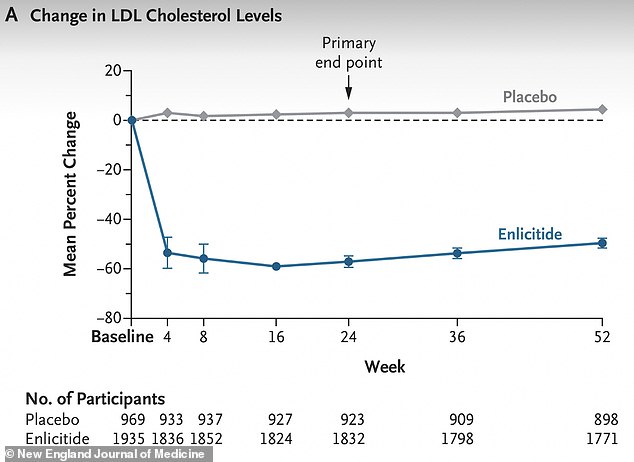
A groundbreaking new daily pill has emerged as a potential game-changer in the fight against heart disease, slashing 'bad' LDL cholesterol by over 57 percent in clinical trials—surpassing even the most aggressive statin regimens. Unveiled by scientists at UT Southwestern Medical Center, the drug, called enlicitide, has ignited hopes of a revolutionary shift in cardiovascular care. The results, published in a major global trial, mark the first time an oral medication has achieved such a dramatic reduction in LDL cholesterol, a key driver of heart attacks and strokes. The drug's mechanism, targeting a previously inaccessible metabolic pathway, could reshape treatment for millions struggling with cholesterol management.
In the trial, enlicitide was tested on 2,900 adults with established heart disease or high risk of it—patients already on standard cholesterol-lowering therapies like statins but still failing to meet LDL targets. After 24 weeks, those taking the pill saw LDL levels plummet by more than 57 percent, compared to a mere 3 percent drop in the placebo group. By contrast, statins typically lower LDL by 20 to 60 percent, depending on the drug and dosage. The results are unprecedented for an oral medication, raising the possibility of replacing or augmenting statins for many patients.
The drug works by binding to a protein called PCSK9, which in people with high cholesterol is overactive and prevents the liver from clearing LDL from the bloodstream. By blocking PCSK9, enlicitide enables the liver to function more efficiently. Unlike statins, which inhibit cholesterol production in the liver, the new pill does not interfere with this process, potentially reducing common side effects like muscle pain, liver enzyme changes, and a slight increase in diabetes risk. These advantages could address a critical gap: nearly half of patients on statins discontinue them within a year, often due to side effects.

Experts say the pill could transform care for millions. Dr. Ann Marie Navar, a cardiologist leading the study, emphasized that fewer than half of patients with cardiovascular disease currently meet their LDL targets. 'An oral therapy this effective has the potential to dramatically improve our ability to prevent heart attacks and strokes on a population level,' she said. The drug's ability to improve other blood fat measures linked to heart disease adds to its appeal. Crucially, patients in the trial did not report higher rates of adverse effects compared to those on statins.

Until now, PCSK9 inhibitors required injections or infusions, limiting their accessibility. Enlicitide, the first oral PCSK9-targeting medication, promises to expand treatment options. A follow-up trial is already underway to determine whether the dramatic cholesterol reductions translate into fewer heart attacks and strokes. If confirmed, the drug could significantly reduce the global burden of heart disease, which claims over 17 million lives annually.
In the US, heart disease affects 128 million people and causes 805,000 heart attacks yearly. In the UK, 7.6 million people live with the condition, and 100,000 heart attacks occur each year. Researchers say enlicitide could help alleviate these staggering numbers. With heart disease remaining the leading cause of death worldwide, the new pill represents a beacon of hope for patients and healthcare systems alike.
Photos