From Vigorous Policeman to Breathless: A Former Officer's Hidden COPD Battle
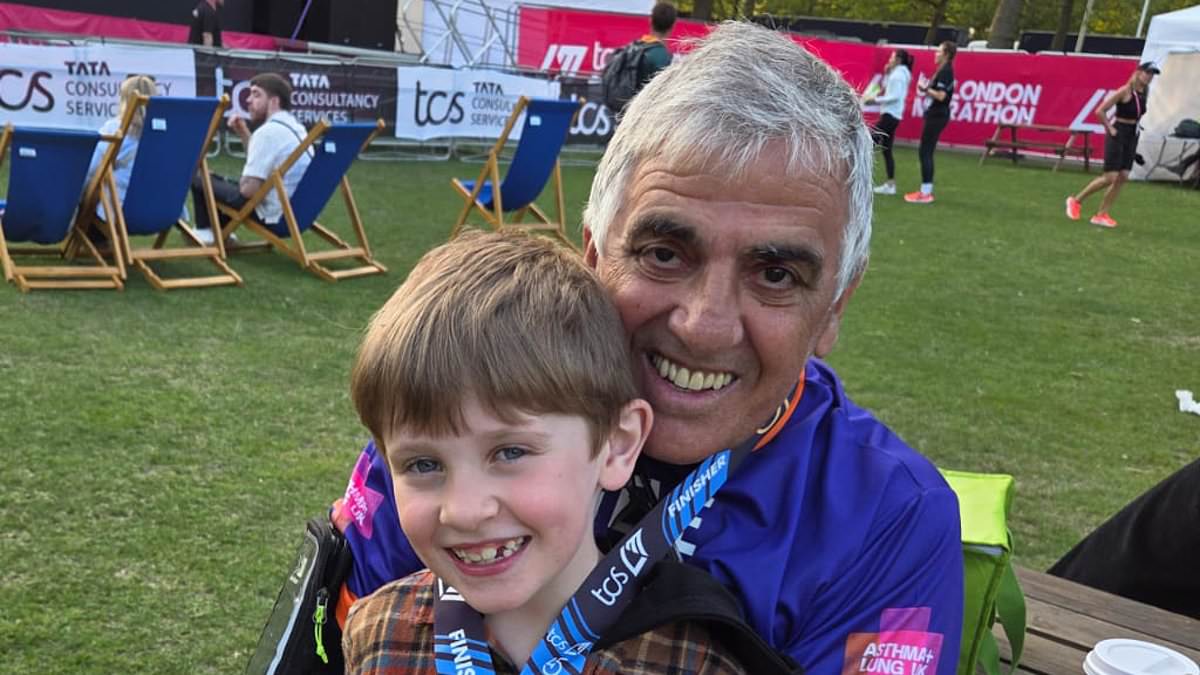
When Steve Bowen, a 71-year-old former policeman from Essex, found himself gasping for breath after a short walk to pick up his grandson from school, he knew something was seriously wrong. His head throbbed, and he had to stop every few steps, his body betraying him in a way he had never experienced before. 'My grandson kept telling me to take a break, and honestly, I thought I was going to die. I just couldn't breathe,' he recalls. At the time, the symptoms seemed to appear out of nowhere, but in hindsight, Steve realizes that his lung function had been slowly deteriorating for years. His energy levels had been waning, and his once-robust stamina had vanished, leaving him reliant on his family to navigate even the simplest tasks.
The diagnosis of chronic obstructive pulmonary disease (COPD) came as a devastating blow. By the time he was formally identified with the condition, Steve could barely climb a flight of stairs. COPD, a chronic lung disease that affects around 1.7 million people in the UK, is often misdiagnosed, with an estimated 600,000 individuals living with the condition undetected. The disease, which can lead to organ failure and severe lung infections, is responsible for nearly 30,000 deaths annually in the UK. For most patients, the prognosis is grim: studies suggest that the average survival time after diagnosis is no more than ten years.
Steve, a grandfather of four, was particularly shaken by the news. 'What was scary was that no one told me how long I would have, and I feared I wouldn't see my grandchildren grow up,' he says. Yet, the diagnosis became a turning point. A lifelong smoker, Steve had quit about ten months before his diagnosis but was determined not to let COPD define his future. His youngest grandson was just three years old, and he set himself a personal goal: to be there for his child's tenth birthday. 'I couldn't let this beat me,' he insists.
Following his diagnosis, Steve was prescribed inhalers designed to open his airways and ease his breathing. But he took matters into his own hands, conducting his own research and committing to a rigorous regimen of exercise and diet. He began walking six miles a day, attended the gym twice weekly, and cut his daily caloric intake to just 1,500—a stark contrast to the average intake. 'At the beginning, these changes were incredibly challenging,' he admits. 'I struggled with even walking, and it took me about six months to get to a slow jog.'
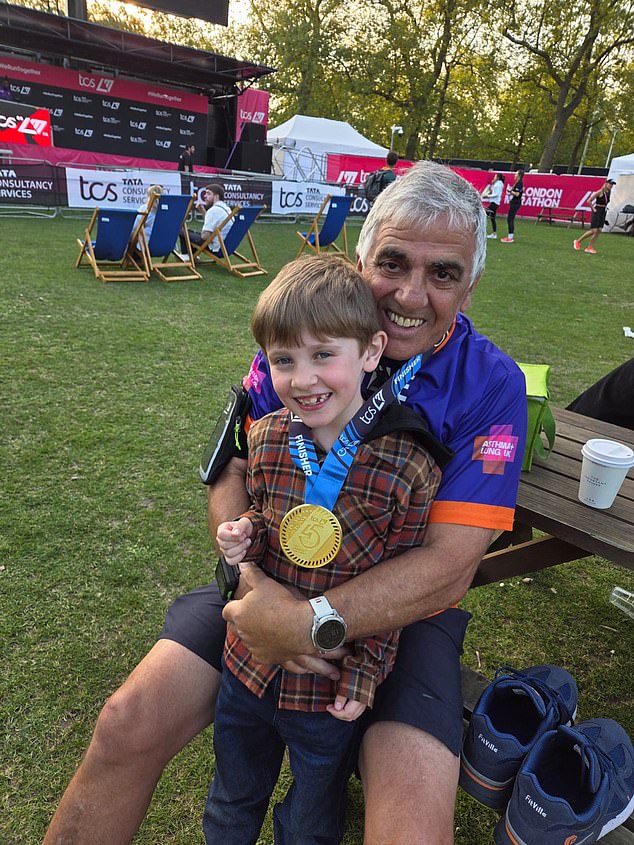
Despite the difficulty, Steve persisted. After three months, he had lost two-and-a-half stone in weight, and the improvements continued. He joined a running club and, four years after his diagnosis, completed the London Marathon—a feat that seemed impossible just a few years prior. His journey, while extraordinary, is not unique. Experts suggest that many COPD patients can achieve similar outcomes through lifestyle modifications and medical interventions.

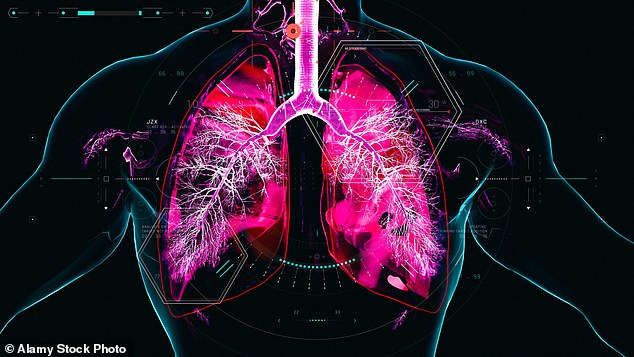
Dr. Nick Hopkinson, medical director at Asthma + Lung UK, emphasizes that lifestyle changes can significantly impact a patient's condition. 'We have effective medicines, but these are best used in combination with lifestyle changes that everyone can do,' he says. COPD is primarily caused by exposure to irritants like cigarette smoke and air pollution, which damage the alveoli—tiny air sacs in the lungs that facilitate oxygen exchange. The disease often begins with symptoms like a persistent cough, excessive mucus production, and shortness of breath, which progressively worsen over time.
Yet, the tide can be turned. A 2024 review found that patients who initiated exercise programs within three weeks of hospital discharge were half as likely to be readmitted later. While exercise cannot reverse the damage to the lungs, it can strengthen remaining healthy tissue, improve breathing, and enhance quality of life. Professor Russell, a respiratory medicine expert at King's College London, underscores the importance of physical activity: 'Patients are often scared of exercise when they have COPD, because being breathless triggers a fear response in the brain. But exercising will improve quality of life and can prolong length of life.'
He recommends increasing walking distance and lifting light weights as part of a structured program. Diet also plays a crucial role. A low-salt, high-fiber diet rich in fruits and vegetables can support lung function. Crucially, experts warn that people with breathing difficulties should not wait for a COPD diagnosis to make these changes. Managing the anxiety and depression that often accompany the condition is equally vital. Activities like yoga, breathing workshops, and choir singing are recommended to address these mental health challenges.
Five years after his diagnosis, Steve's lung function has improved, and he is thriving. 'I am feeling so much better now,' he says. His youngest grandson is now eight, and Steve has set a new target: to be there for his child's tenth birthday. 'I am determined to keep going,' he says, his resolve unwavering. His story is a testament to the power of determination, medical care, and the importance of early intervention in managing a condition that once seemed insurmountable.
Photos