From Overlooked Lump to Aggressive Cancer Battle: A Mother's Journey
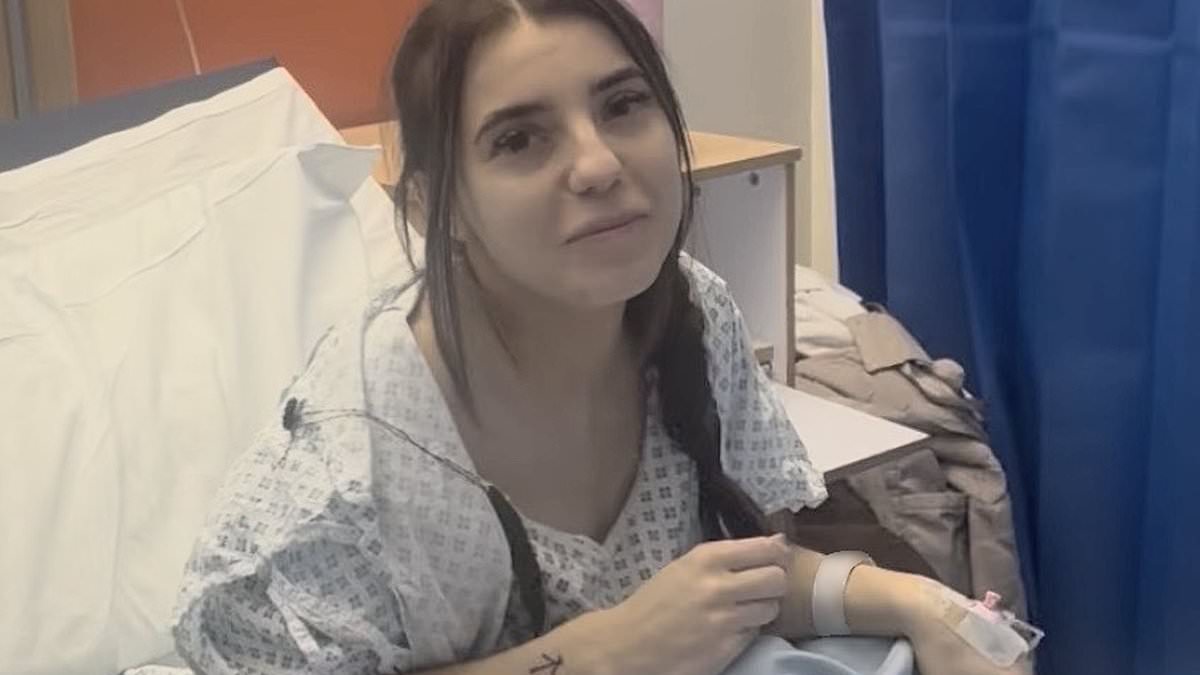
Georgina Hayward, a 30-year-old beauty therapist from Leicester, was shaving her armpits when she felt an unexpected lump in her right breast. At the time, the discovery was overshadowed by the familiar fatigue of caring for her two-year-old daughter. She dismissed the tingling and itching sensations in her breast as a byproduct of sleepless nights and the lingering effects of weaning her child from breastfeeding six months earlier. 'I thought it was just something to do with breastfeeding,' she recalls, her voice tinged with the weight of hindsight. 'I didn't think anything of it. I was just tired, and that's what being a mother is about, right?' The lump, however, was not a passing inconvenience—it was the first sign of a battle she would soon face against one of the most aggressive forms of breast cancer.
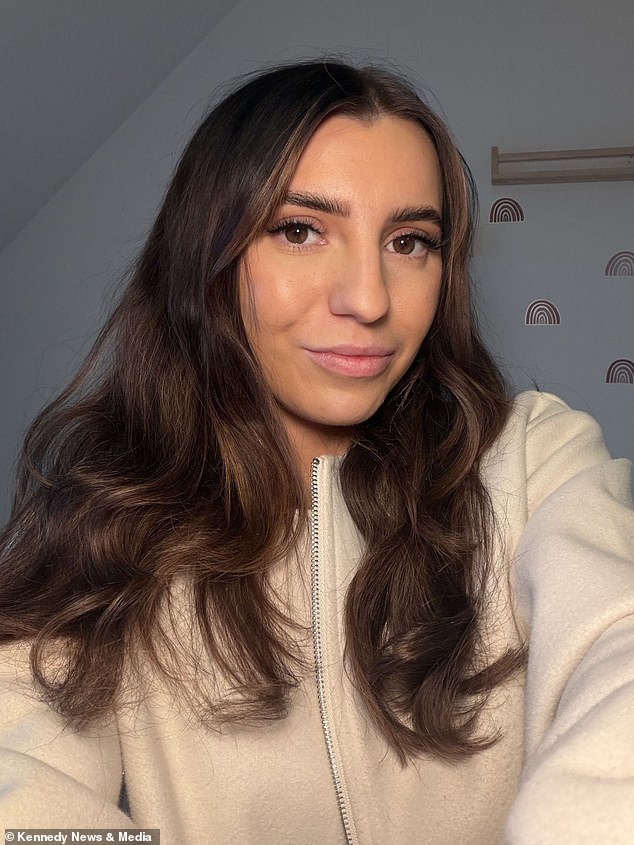
Her GP, noticing the urgency in her symptoms and the family history of breast cancer, referred her for an urgent appointment within two weeks. The ultrasound and biopsy that followed painted a grim picture: grade three invasive breast cancer, a diagnosis that stunned Georgina. 'I was thinking, this can't be real,' she says. 'I'm only 30. You don't expect these things to happen to you. You hear about people getting it, but you don't think it's going to be you.' Grade three cancers are known for their rapid growth and tendency to spread, often requiring aggressive treatment like chemotherapy and rejecting hormonal therapy alone. The news left her in a whirlwind of emotions, her mind racing with questions about the future and the safety of her young daughter.
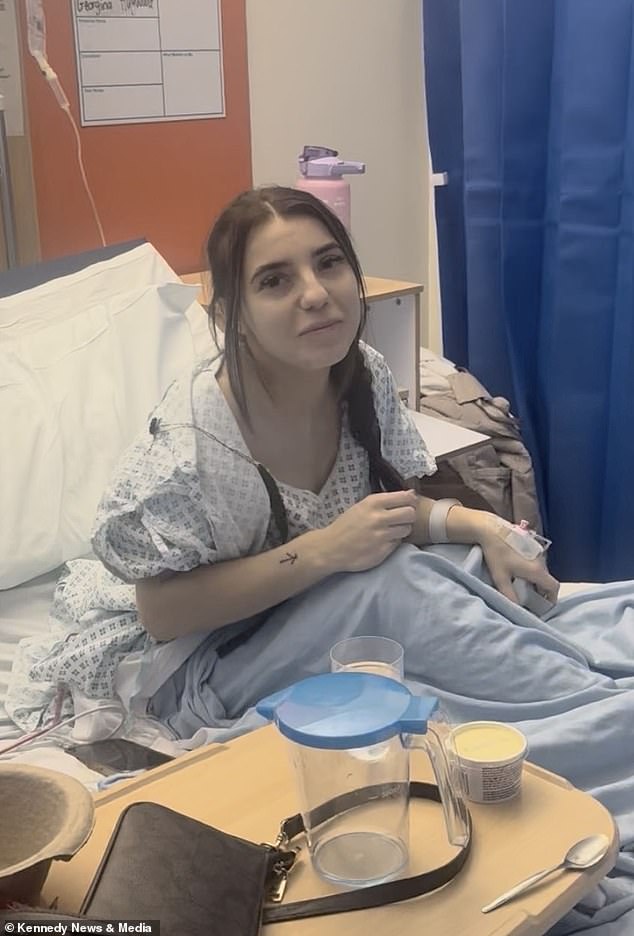
Faced with the gravity of her diagnosis, Georgina made the difficult decision to undergo a mastectomy. 'I wanted peace of mind,' she explains. 'I heard stories of people not getting clear margins if they just had the lump removed. I thought, if I'm going to face this, I want to ensure it's gone for good.' The procedure, a nipple-sparing mastectomy, left her with a sense of both loss and empowerment. 'It was scary waking up and wondering what my breast would look like,' she admits. 'But I'm happy with how it turned out. It's a big thing being a woman and being young, but I'm not letting this define me.'
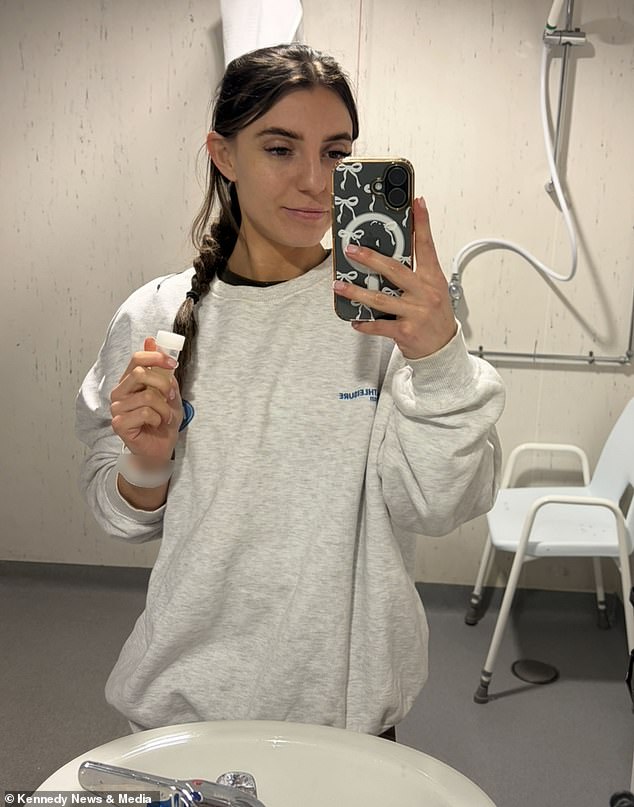
As she waits for further staging to determine the next steps in her treatment, Georgina is preparing for reconstructive surgery in the coming months. 'I've had a breast expander put in, and depending on what treatment I need next, I'll have permanent implants on both sides so my breasts match,' she says. 'It's a long road, but I'm determined to walk it.' Her journey, however, is not just personal—it's a rallying cry for others to take their health seriously. 'Check your breasts monthly,' she urges. 'If you notice any changes, not just lumps—skin changes, texture, anything—go straight to your doctor. Push for your referral if you're not sure. It's better to know than to be in a worse outcome.'
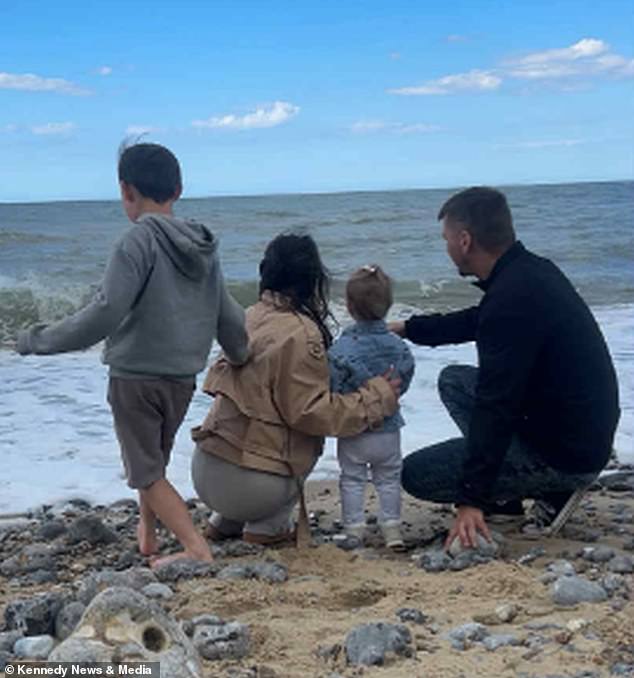
Georgina's story is part of a growing concern in the UK, where new data from the World Health Organization (WHO) and the International Agency for Research on Cancer (IARC) paints a troubling picture. Breast cancer deaths in the UK are projected to rise by over 40% by 2050, with more than 17,000 women expected to lose their lives annually—a stark increase from the 12,000 recorded in 2022. Experts warn that an aging population, combined with unhealthy lifestyles, is fueling this surge. 'It's vital to act now,' says the IARC, emphasizing the need for early detection and preventive measures. Meanwhile, a worrying trend has emerged: breast cancer cases are rising among women under 50 globally, a phenomenon that has left researchers puzzled and communities on edge. Georgina's voice, clear and resolute, echoes a plea for awareness that could save lives—not just hers, but countless others who may be silently battling the same invisible enemy.
Photos