From 'Beefburger Girl' to Wellness: The Controversial Resurgence of Residential Weight-Loss Camps
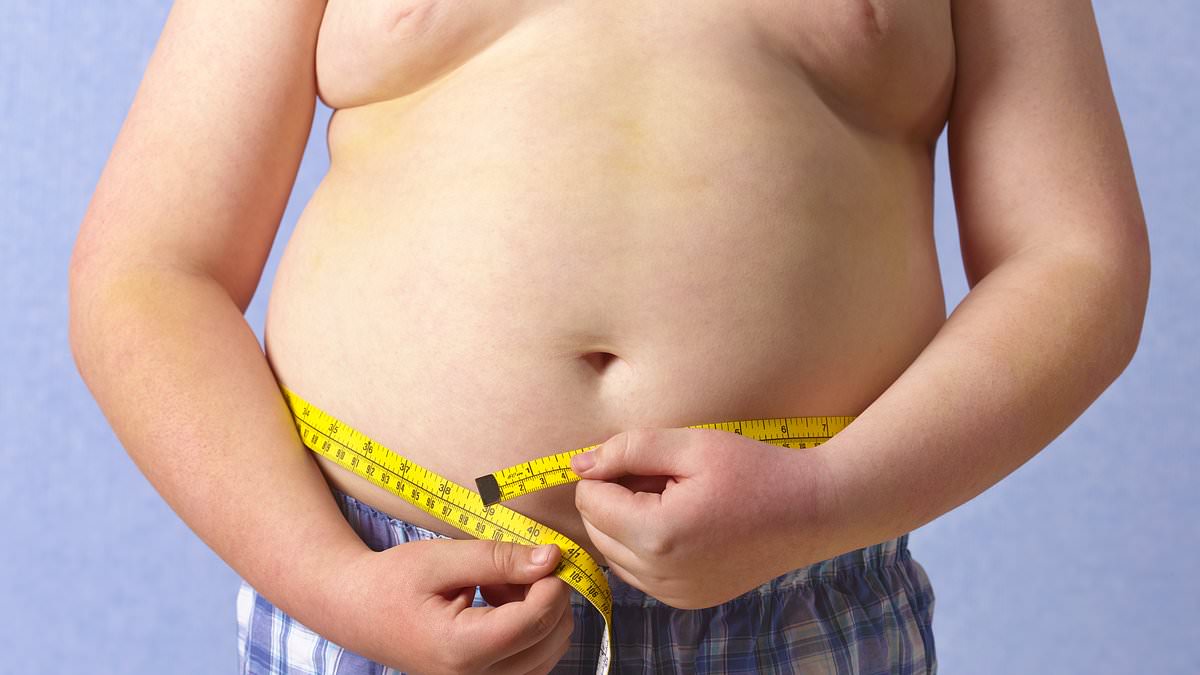
Destiny Deakin, now 25, walks with a confidence that belies the struggles of her youth. At 5ft 8in and 9st 5lb, she appears effortlessly trim, her blonde hair tumbling in glossy waves. Yet this polished figure and daily exercise routine were once unimaginable for a girl who, at 12, weighed 14 and a half stone. That weight, equivalent to a size 18, marked her as a target for relentless bullying at school, where classmates cruelly labeled her 'beefburger girl.' Her story is not unique. As childhood obesity rates surge, the debate over residential weight-loss camps has resurfaced, pitting past success against modern concerns over stigma and psychological harm.

The turning point for Destiny came at 12, when she entered MoreLife, a now-defunct UK-based residential camp in Bradford. The programme, active between the late 1990s and 2018, emphasized long-term lifestyle change over quick fixes. Over six weeks, Destiny lost two stone, a transformation she credits with reshaping her life. But the camps, once praised for their holistic approach, have since faded from public view. Critics argue they fostered harmful stigma, while supporters, like Destiny and Jordan Smithy, a former attendee who lost four stone, insist they were life-saving.
The UK's childhood obesity epidemic shows no signs of abating. Official figures reveal that one in ten children in England are obese by age five, rising to one in five by 11. These children face up to a fivefold risk of remaining overweight as adults, heightening the danger of Type 2 diabetes, heart disease, and other chronic conditions. In response, the NHS has turned to medical interventions, prescribing weight-loss injections like Mounjaro and Wegovy to children as young as nine. This shift has sparked fierce debate: Are structured programmes like MoreLife being sidelined too quickly, or is the move toward pharmaceutical solutions inevitable?

Destiny's childhood was a tapestry of shame and isolation. At school, she avoided sports like cross country, where she lagged behind classmates, and swimming, which she skipped by hiding in the restroom or forging sick notes. At home, she snuck sweets and energy drinks, hiding wrappers from her mother. 'I felt like I was being mean to her when I suggested she lose weight,' Destiny recalls. Her grandmother's home, a place of unfiltered indulgence, compounded her struggles. When MoreLife was proposed, she resisted, fearing the end of unlimited snacks. 'If I went to camp, I wouldn't be able to have any of this,' she said then, echoing the fears of many children struggling with weight.
MoreLife's approach was unconventional. It did not ban junk food; instead, it taught moderation. Children followed portion-controlled diets while engaging in daily physical activity. A typical day included swimming, basketball, and dodgeball, balanced with nutrition classes and trips to McDonald's. 'The goal was to teach restraint, not avoidance,' explains Destiny. Meals like chips and pizza were on the menu, but portions were measured. The camp's philosophy—education over punishment—drew praise from former attendees, who credit it with shaping lifelong habits. Jordan Smithy, now 27, lost nearly three stone after attending and says the camp transformed his mindset. 'I learned to read food labels, track my steps, and embrace healthy choices. That still defines me today.'
The closure of MoreLife in 2018 marked a turning point for the programme's founder, Professor Paul Gately. He views the decision as a misstep, arguing that residential camps remain the most effective tool for treating childhood obesity. 'We knew the science worked,' he says. His research shows children lost an average of 13lb in six weeks, alongside improvements in self-esteem and fitness. Yet, public funding vanished, forcing the programme to shut down. 'We ran it at a loss, but we believed in its impact,' Gately adds. His hope now is that political will can revive similar initiatives, citing the success of the National Citizen Service—a government-backed youth programme that reached a million teens.
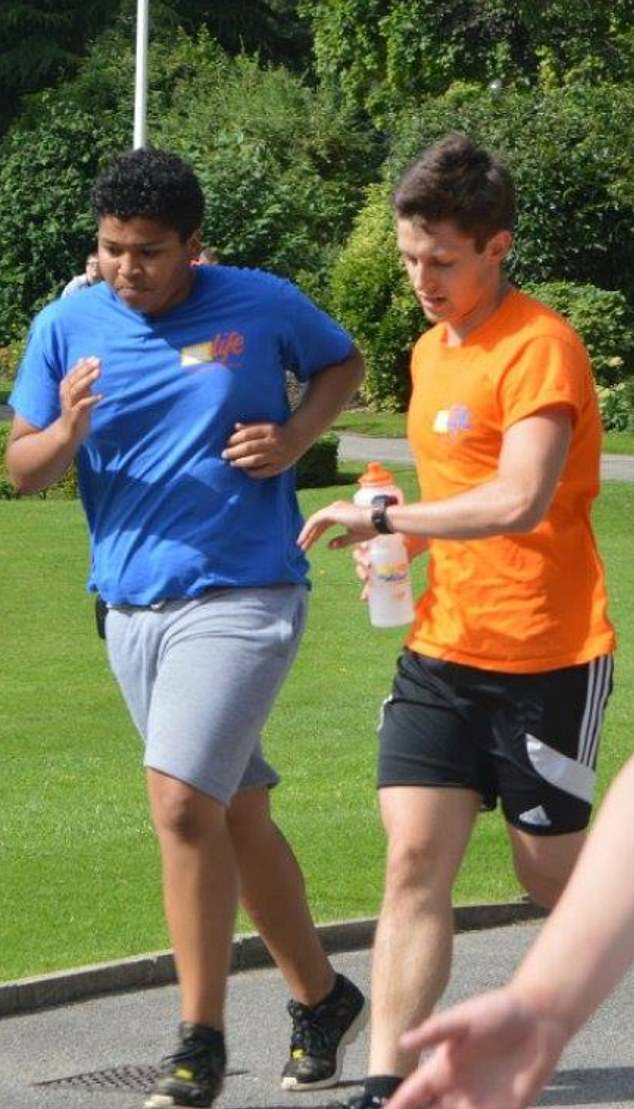
Experts, however, caution against relying on residential camps. Nichola Ludlam-Raine, a dietitian who worked at MoreLife, highlights the challenge of sustaining weight loss once children return home. 'Whole-family, community-based interventions are preferred,' she says, emphasizing the need for long-term strategies. The NHS spends £6.5 billion annually on obesity-related illnesses, a figure projected to rise to £9.7 billion by 2050. While camps like MoreLife may offer immediate results, critics argue they are costly and difficult to scale for the estimated 600,000 obese children in the UK.

Destiny's journey from a size 18 to a trim size eight is a testament to the power of intervention. She now runs a pharmacy and credits MoreLife with rewriting her habits. 'I look at food labels like it's second nature,' she says. Jordan, now a personal trainer and fitness coach, echoes her sentiment. Both believe the camps saved their lives. 'If I hadn't gone, I'd be heavier, and I'd still be shy,' Jordan says. Yet, their stories coexist with the broader debate over whether the UK should reinvigorate such programmes—or focus instead on systemic, community-driven change.
As the government pledges to tackle childhood obesity through measures like restricting junk-food advertising near schools, the legacy of MoreLife lingers. Destiny's message is clear: 'I worked hard not to be that person anymore.' Her words, and the lives of thousands who passed through the camp, challenge the UK to rethink its approach. For every child like Destiny, the question remains: Are fat camps a relic of the past—or the missing piece of a solution?
Photos