Delusional 'Long-Lost Mother' Claim in Arizona Kidnapping Case Unravels
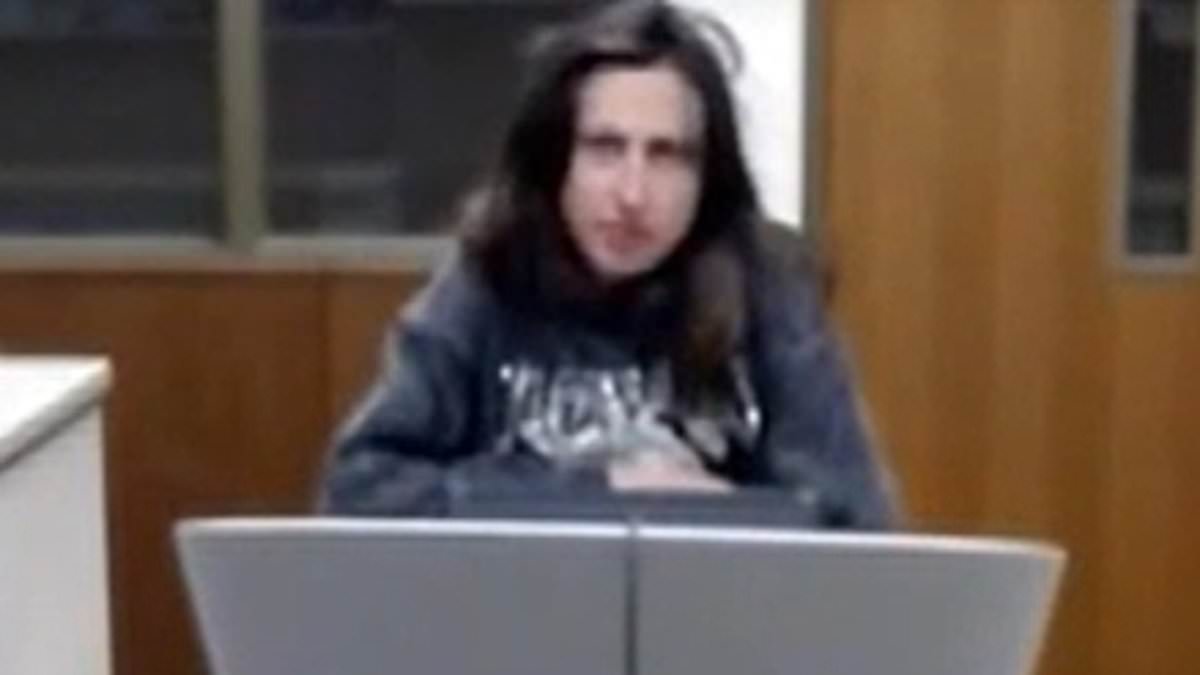
A 23-year-old woman accused of kidnapping a two-year-old girl from her home in Arizona provided a delusional and legally dubious explanation for her actions, police said. Marina Noriega allegedly took Kehlani Rogers from her family's residence in Avondale around 11:30pm on Friday, according to an arrest affidavit. The girl's parents told investigators they allowed Noriega to stay in their home after she claimed she had 'nowhere to stay' and that her boyfriend and father were in jail. Her story, however, quickly unraveled under scrutiny.
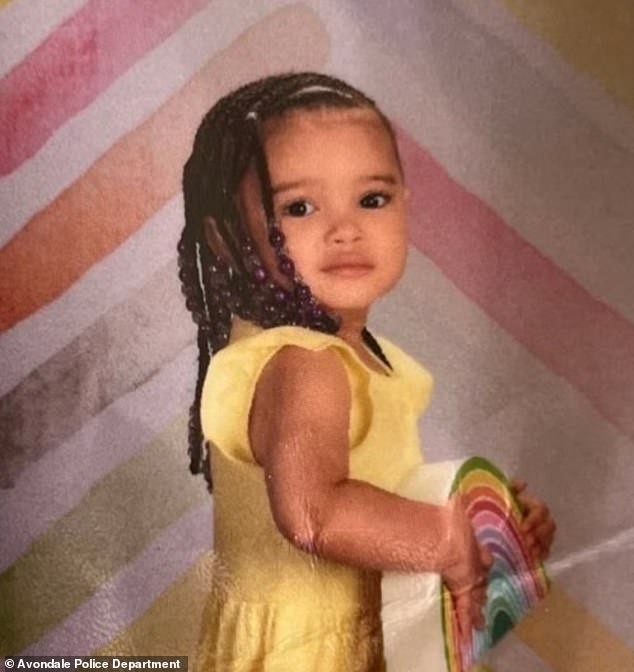
Noriega told officers she believed Kehlani was her 'long-lost' daughter, but could not provide the girl's correct name or birthdate. During the interrogation, she repeatedly altered the child's supposed name—listing variations like Malina, Mailai, and Malini—while claiming the girl was born in September 2021, a full two years before Kehlani's actual birth. When detectives pressed her for clarification, Noriega became agitated and refused to answer further questions.
'I shouldn't give a f*** about her,' Noriega allegedly said, according to the police report. 'It's not my daughter, so I shouldn't give a f***.' The statement, dripping with emotional detachment, contradicted her earlier claims of a maternal bond. She later admitted she had no legal right to the child and called her own actions a 'mistake'—though she insisted she had not 'manipulated' the girl's parents.
The child's father discovered the abduction around 6am when he awoke to feed another child and found Kehlani missing. Noriega was nowhere to be seen, and the family immediately launched a frantic search. Police issued an AMBER alert after the child went missing, and investigators received a tip about a woman and child matching the description being seen in Maricopa. Surveillance video later confirmed Noriega and Kehlani had been spotted in a black stroller at multiple locations in the area.
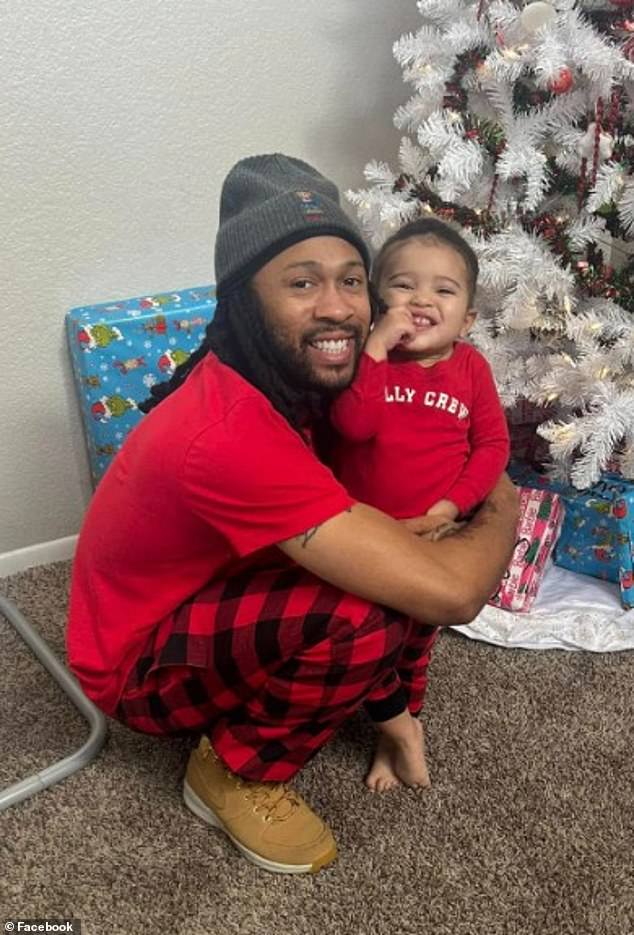
Noriega's arrest came days later when a QuikTrip security guard, identified as S. Emmons, spotted her in Phoenix with the toddler. With the help of Camelback Moving employees, officers boxed in Noriega's car and arrested her. Kehlani was returned to her parents unharmed and reportedly said she 'wanted her mommy and daddy, but she was okay.'
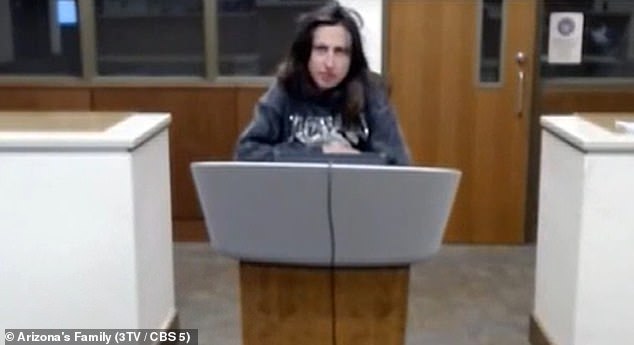
The case has raised urgent questions about the safety of vulnerable children in households with unstable individuals. Child welfare experts emphasize the risks of allowing strangers into homes, even under duress. 'This is a textbook example of how quickly a situation can spiral when trust is misplaced,' said Dr. Lila Torres, a clinical psychologist specializing in family dynamics. 'The parents' initial leniency, while understandable, underscores the need for stricter vetting of anyone entering a home with young children.'

Kehlani's family, who initially provided a false name for the child's mother to divert attention from the abduction, later cooperated fully with authorities. The real mother, who had a warrant for her arrest, eventually admitted her identity and requested not to be taken into custody until her daughter was found. Noriega, now held in Maricopa County Jail on a $250,000 bond, faces charges of custodial interference. Her bizarre narrative has left investigators and the community grappling with the unsettling reality of a kidnapping driven by delusion, not malice.
Neighbors and local advocates have called for increased community education on recognizing signs of mental instability in individuals who may be allowed into homes with children. 'This is not just a story about a single bad actor,' said community organizer Carlos Mendez. 'It's a reminder that we all have a role to play in protecting the most vulnerable.' The case, still under investigation, has become a stark cautionary tale about the intersection of mental health, legal boundaries, and child safety.
Noriega's legal team has not yet commented, but the broader implications of the case will likely reverberate through Arizona's child protection policies for years to come. For now, Kehlani's parents, who remained unnamed in the report, are left to navigate the emotional aftermath of a tragedy that could have ended far worse.
Photos