Delayed Diagnosis of Pancreatic Cancer: A Family's Fight for Better Awareness and Early Detection
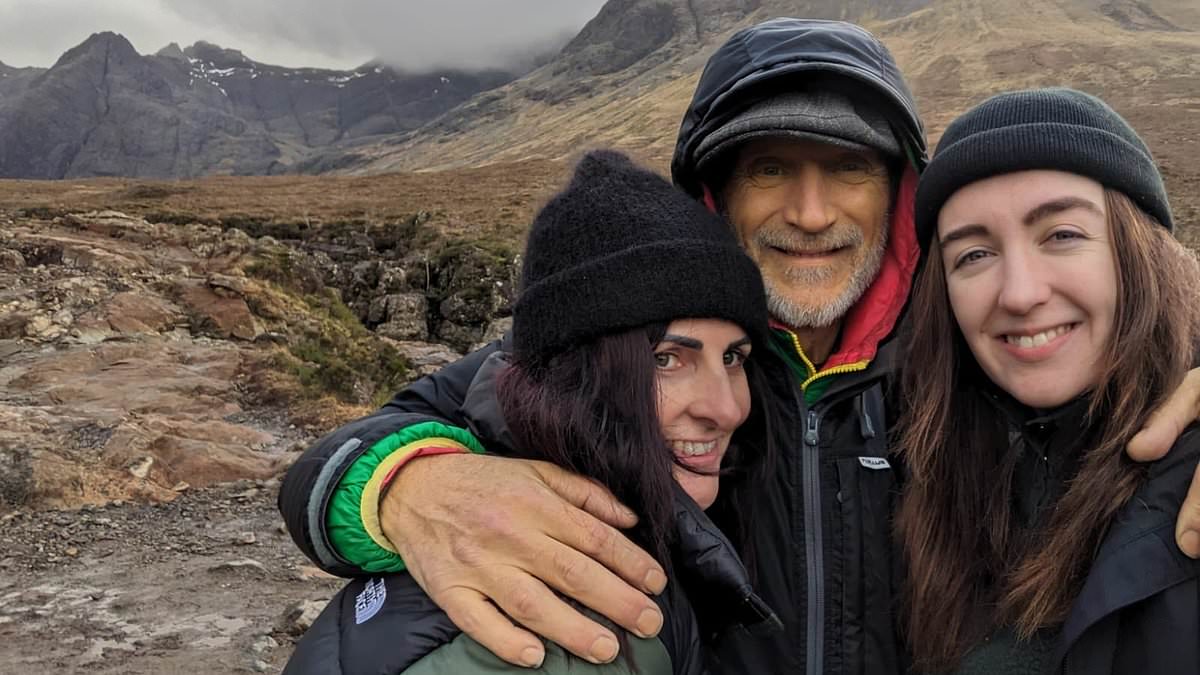
For four years, Andrzej Bielecki endured acid reflux and indigestion, symptoms he dismissed as minor discomfort. Yet, when doctors finally intervened six weeks before his death, they missed the warning signs of pancreatic cancer—a disease that often lurks in silence until it's too late. His story, shared by his wife Suzanne, daughter Scarlett Bielecka, and stepdaughter Emilia Rocky, highlights the urgent need for better public awareness and earlier detection of a cancer that kills more than 9,000 people annually in the UK.
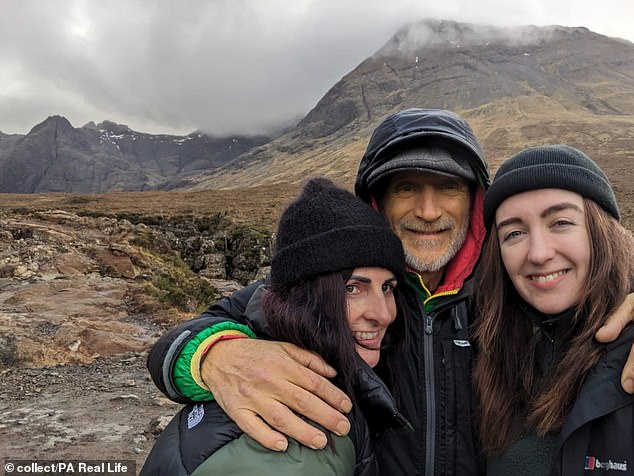
The family says Bielecki's symptoms began with a persistent, dull stomach ache in August 2022, but months of back-and-forth with healthcare providers left him with little more than indigestion tablets. Blood tests were normal, an endoscopy revealed a hiatus hernia, and by mid-December 2022, his condition had worsened. Emilia, a multimedia officer in Bristol, recalls the Christmas Eve visit to her mother's house, where Bielecki was in severe pain, losing weight, and showing signs of jaundice. 'He felt like he was having a heart attack,' she said. 'They told him it was gallstones, but the MRI that followed confirmed advanced pancreatic cancer.'
Pancreatic cancer is a particularly elusive disease. Hidden deep within the abdomen, the pancreas is often difficult to detect through routine exams. By the time symptoms like jaundice, weight loss, or fatigue appear, the cancer is often too far advanced for curative treatment. Bielecki's case is not uncommon. Research shows that 80% of patients are diagnosed at stage 4, when survival rates drop dramatically. 'If Andrzej had been diagnosed earlier, it might not have changed his prognosis,' Emilia said, 'but it would have given him more time to live.'

The family's grief was compounded by the slow and fragmented care Bielecki received. After his diagnosis in January 2023, he had to wait a week for a specialist appointment, only to learn the cancer had spread beyond treatment options. 'He accepted it calmly,' Emilia said, 'but the rest of us were in shock. It felt like a nightmare.' In the weeks that followed, Bielecki and his wife took trips to Scotland and Chippenham, trying to make the most of the time they had. But by February, his condition had deteriorated sharply. 'He was almost unrecognizable,' Scarlett said. 'He was in delirium, but he still managed to say he loved me. That was our last conversation.'
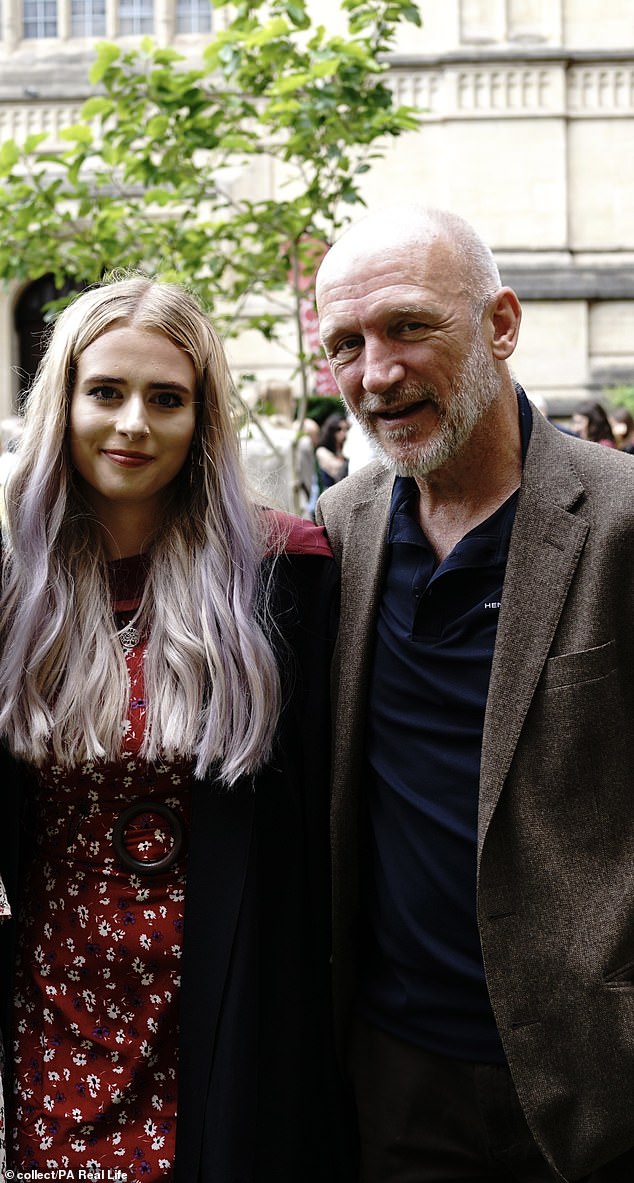
Pancreatic cancer remains one of the deadliest forms of the disease, with no effective early detection methods and only about 5% of patients surviving five years after diagnosis. The UK's National Health Service (NHS) has faced criticism for delays in diagnostic processes, particularly in cases where symptoms are non-specific or overlap with more common conditions. Bielecki's story has become a rallying point for advocates pushing for improved public education and faster access to specialist care.
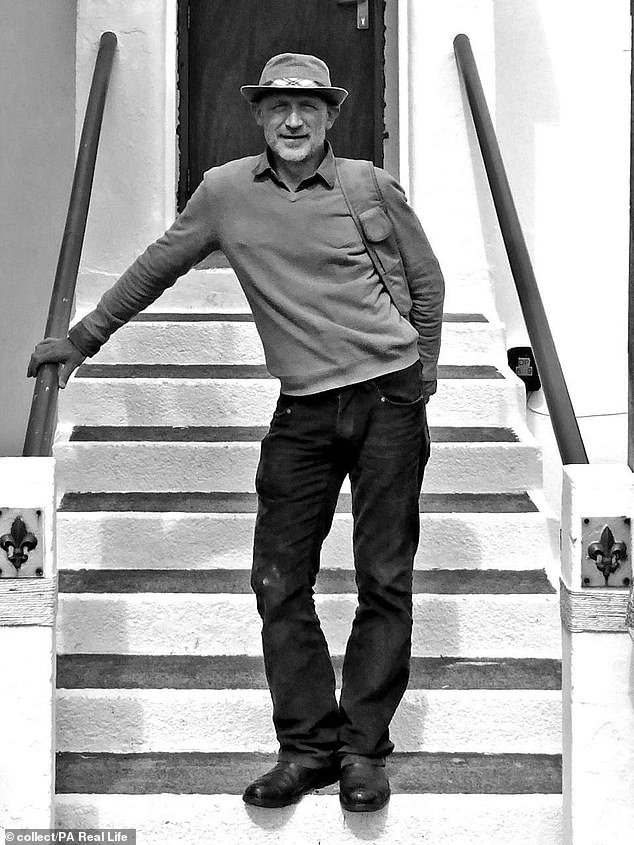
In the months after his death, the family chose to honor Bielecki's wish for a 'celebration of life' instead of a traditional funeral. His ashes were scattered on the beach at the end of the Camino de Santiago in Spain—a pilgrimage he completed twice. 'He didn't want people to cry,' Scarlett said. 'He wanted them to remember him with joy.'
As the family shares his story, they hope to raise awareness about the often invisible nature of pancreatic cancer and the importance of early recognition. Emilia has partnered with Pancreatic Cancer UK to spread the message, emphasizing the need for better understanding of symptoms like unexplained weight loss, persistent abdominal pain, and changes in digestion. 'This cancer isn't talked about enough,' she said. 'If Andrzej's story helps even one person seek help sooner, it will be worth it.'
Photos