Controversial Study Suggests Transgender Women Match Cisgender Women in Athletic Performance, Amid Methodological Criticism
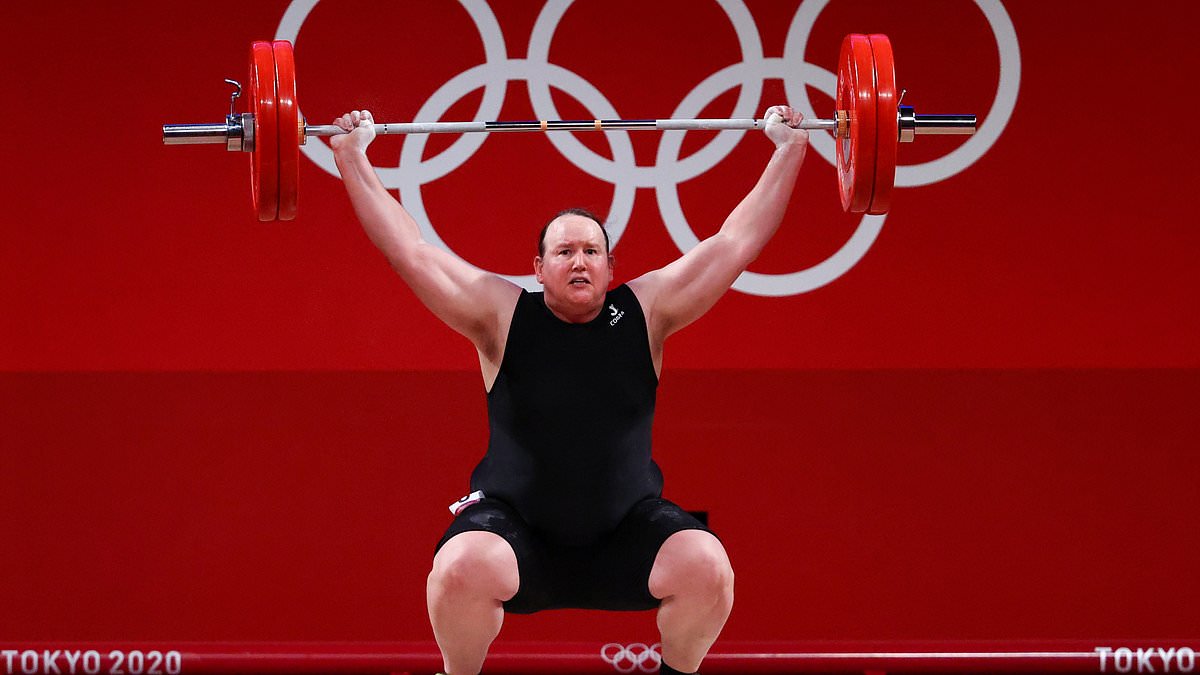
A controversial study published in the *British Journal of Sports Medicine* claims transgender women have no inherent physical advantage over cisgender women in athletic competition. Researchers from the University of São Paulo in Brazil analyzed data from 52 studies involving over 5,000 transgender individuals and 1,000 cisgender people aged 14 to 41. They compared body composition, strength, and fitness metrics before and after hormone therapy, finding that transgender women retained more lean mass—often interpreted as muscle—but their overall physical performance matched cisgender women. 'Our data does not justify blanket bans on trans women in women's sports,' the authors concluded. The study, however, has faced sharp criticism from experts who argue its methodology is flawed. Alun Williams, a professor at Manchester Metropolitan University, called the findings 'almost worthless' due to a lack of longitudinal data tracking athletes' training histories and unaddressed skeletal advantages. 'Hormonal treatment after puberty doesn't erase male traits like height or limb length, which remain athletic advantages in many sports,' he said. The study's authors acknowledged their research excluded elite athletes, a gap they admitted could skew results. Fiona McAnena, director of campaigns at Sex Matters, dismissed the findings as 'academic trickery,' arguing that testosterone exposure during puberty confers lasting physiological advantages. 'Men don't lose their male advantages when they identify as women,' she said. 'You can't change biology with hormones.' The controversy has intensified as sports organizations globally debate policies. In the UK, bans on trans women in women's sports followed a Supreme Court ruling defining legal womanhood based on biological sex. Meanwhile, the International Olympic Committee (IOC) has formed working groups to address the issue, with a potential ban on trans women in Olympic sports by the 2028 Los Angeles Games. Transgender athletes like Lia Thomas, a swimmer who won a national title after transitioning, have been cited as examples of perceived physical advantages. A 2022 study found transgender women, even after hormone therapy, outperformed most cisgender women in speed, strength, and endurance. The São Paulo researchers countered that their review of existing studies 'does not support theories of inherent athletic advantages.' Dr. Blair Hamilton, a sports physiologist at Manchester Metropolitan University, praised the study's alignment with prior research but stressed its limitations. 'You can't assume more muscle automatically means better performance,' he said. 'Studies measuring muscle size and those measuring performance often use different groups.' The debate extends beyond academics. World Rugby prohibits trans women who transitioned after puberty from competing in women's rugby, yet France allows trans athletes like Alexia Cerenys to compete. Scientists argue that male skeletal structures—such as broader shoulders and longer limbs—provide a foundation for muscle growth that hormone therapy cannot fully erase. 'Trans women benefit from a whole host of physiological advantages tied to testosterone exposure early in life,' said one 2022 study. The São Paulo research, while highlighting the lack of elite athlete data, has sparked renewed calls for stricter rules in women's sports. With the 2028 Olympics approaching, the question of how—and whether—trans athletes should compete remains unresolved, polarizing athletes, scientists, and policymakers alike.