Cheap Natural Alternative to Ozempic Sparks Expert Concerns Over Efficacy and Safety

A $12 supplement dubbed 'nature's Ozempic' has surged in popularity as an alternative to costly and controversial weight-loss drugs like Ozempic and Wegovy. Berberine, a plant-based compound derived from barberry and goldenseal, has drawn attention for its potential to improve insulin sensitivity and aid weight loss. Yet experts warn its effects are far less potent than prescription medications, and its unregulated status raises serious safety concerns.
The supplement, sold online for as little as $12 for 60 pills, has been marketed as a natural alternative to GLP-1 agonists. These drugs, which suppress appetite and slow digestion, have revolutionized weight loss but come with steep prices and side effects like nausea and diarrhea. Berberine, however, works differently by activating AMPK, an enzyme linked to fat metabolism and energy regulation. While this mechanism may support modest weight loss, it lacks the appetite-suppressing power of GLP-1 drugs.
Doctors stress that berberine's impact on weight is 'overhyped' compared to FDA-approved treatments. A 2020 meta-analysis found users lost about 4.5 pounds over two to six months, while GLP-1 drugs like Wegovy typically achieve 15% weight loss over a year. Dr. Erik Nuveen, a cosmetic surgeon, called the supplement's claims 'exaggerated,' noting that its metabolic effects are 'far more modest' than prescription options.

Regulatory oversight is another major issue. As a dietary supplement, berberine is not required to undergo the same safety testing as drugs. This lack of oversight means products may contain inconsistent or unverified ingredients. Dr. Hector Perez, a bariatric surgeon, warned that relying on berberine could delay life-saving treatments, with patients worsening their health by avoiding proven medical care.

Safety risks further complicate its use. Berberine can cause gastrointestinal issues like diarrhea and may interact with diabetes medications, increasing the risk of hypoglycemia. Experts advise against its use for children, pregnant women, or those with complex health conditions. Dr. Evan Nadler emphasized that even 'natural' supplements are not inherently safe, urging consultation with healthcare providers before use.
Health professionals recommend focusing on lifestyle changes over supplements. Increasing fiber intake, reducing processed foods, and engaging in resistance training are highlighted as more reliable strategies. 'Exercise remains the gold standard,' said Dr. Nuveen, stressing that physical activity and balanced nutrition outperform any supplement in improving metabolic health. While berberine may offer minor benefits, its risks and limited efficacy underscore the need for caution and evidence-based approaches to weight management.
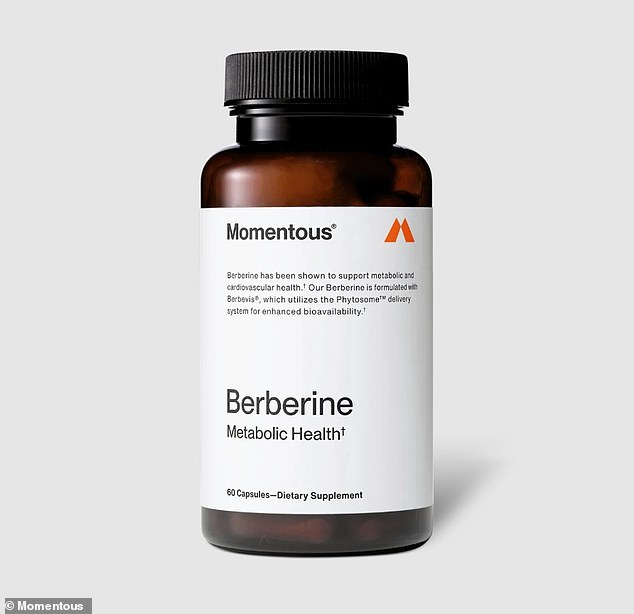
With influencers and online retailers promoting berberine as a 'miracle' solution, the public faces a growing challenge: distinguishing hype from reality. As demand for affordable weight-loss options rises, the lack of regulation and the potential for harm demand urgent attention from regulators and healthcare providers. The supplement's popularity highlights a broader need for accessible, safe, and scientifically validated treatments for obesity and metabolic disorders.
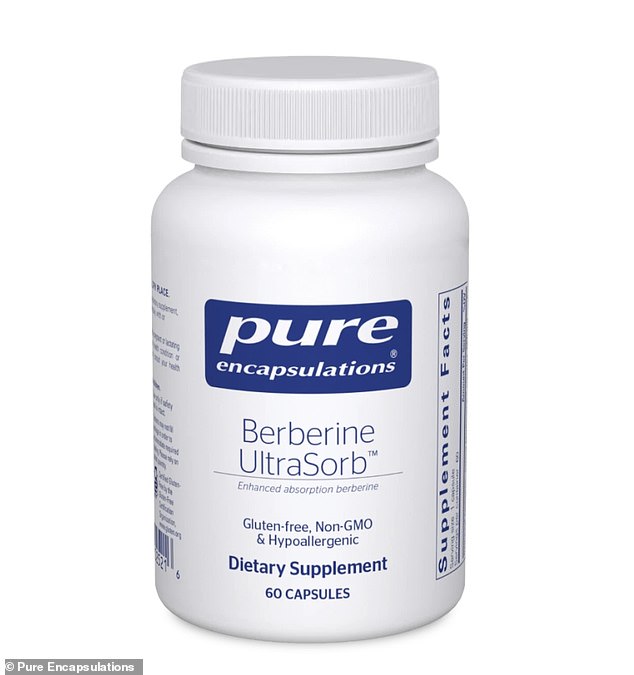
Consumers are urged to consult medical professionals before using berberine or any unregulated supplement. The risks of self-medicating, especially when delaying proven care, are significant. As the debate over GLP-1 drugs and their alternatives continues, the story of berberine serves as a cautionary tale about the perils of unproven remedies in a market driven by hype and profit.
Despite its appeal, berberine's limitations are clear. It cannot replace the comprehensive benefits of prescription medications or the long-term health improvements achieved through lifestyle changes. The supplement's role, if any, remains secondary to medical guidance and a holistic approach to weight loss. As experts warn, the path to sustainable health lies not in quick fixes but in evidence-based, personalized care.
The rise of berberine reflects a broader trend in the supplement industry: the blending of traditional remedies with modern marketing. Yet without rigorous testing and oversight, such products risk misleading consumers and undermining public health. The urgent need for transparency, regulation, and scientific validation has never been more critical in an era where health decisions are increasingly shaped by online trends and unverified claims.
Photos