Central Park Encounter Sparks Reexamination of Patrick Bouvier Kennedy's Legacy and JFK's Transformation
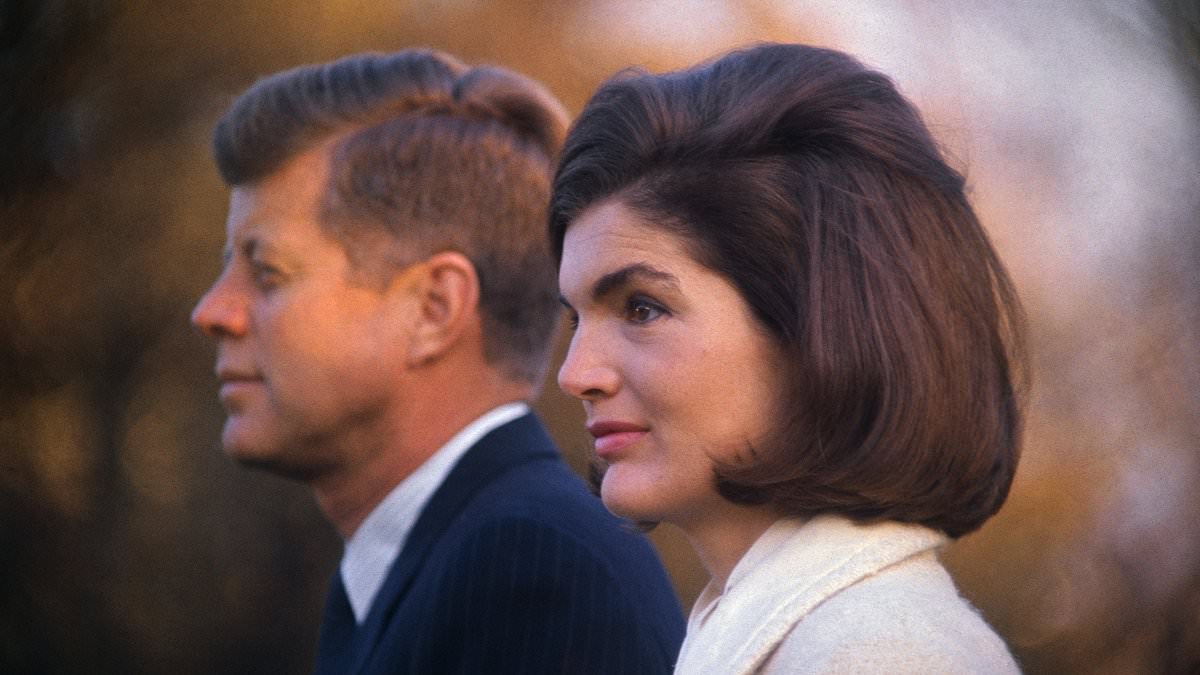
On the day before Easter in 2021, Holly Jordan was walking her dog in New York's Central Park when she encountered Caroline Kennedy, the sole surviving child of John F. Kennedy and Jacqueline Kennedy Onassis. Jordan, who had recently given birth to a premature infant, felt compelled to share her story with Caroline. She recounted how her son's survival had been indirectly linked to Patrick Bouvier Kennedy, Caroline's younger brother who died just 18 hours after birth in 1963. Caroline, who had never met Patrick, was visibly moved by Jordan's account. This encounter would later become a pivotal moment in reexamining Patrick's legacy and the profound impact his brief life had on his father's policies and personal transformation.
Patrick Bouvier Kennedy was born on August 7, 1963, six weeks premature and weighing just 4 pounds 10.5 ounces. His birth coincided with a period of intense political and personal upheaval for his father, who was already grappling with the aftermath of his first child's stillbirth in 1956. Jacqueline Kennedy, pregnant with Patrick, had been staying at Squaw Island, Massachusetts, when she began experiencing complications. She was airlifted to Otis Air Force Base on Cape Cod, where an emergency caesarean section was performed. Patrick's arrival was met with global attention, as news of his fragile condition and the Kennedys' private grief spread rapidly.
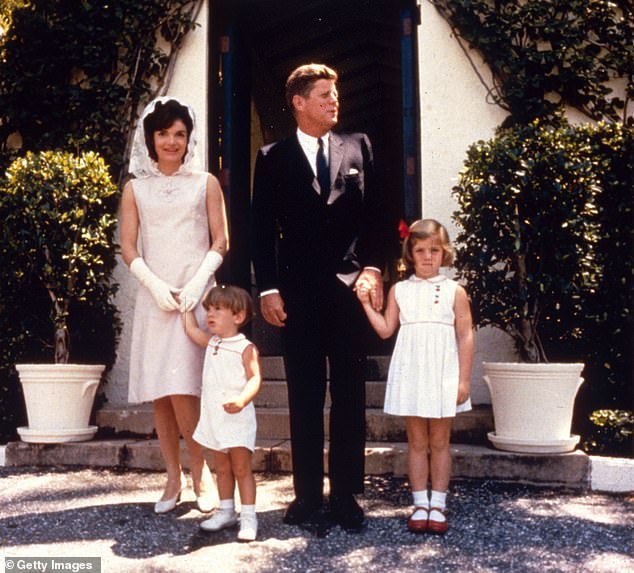
Kennedy, who had previously struggled with balancing his political ambitions and familial responsibilities, was present at the hospital within hours of Patrick's birth. The infant's struggle for survival became a focal point for medical teams, who relied on rudimentary technologies such as oxygen-infused incubators and hyperbaric chambers. Despite these efforts, Patrick's condition deteriorated. He died at 4:04 a.m. on August 9, 1963, just 18 hours after his birth. His death marked a turning point for Kennedy, who had previously been criticized for his emotional distance from his wife and children. The loss of Patrick prompted a profound shift in his behavior and priorities.
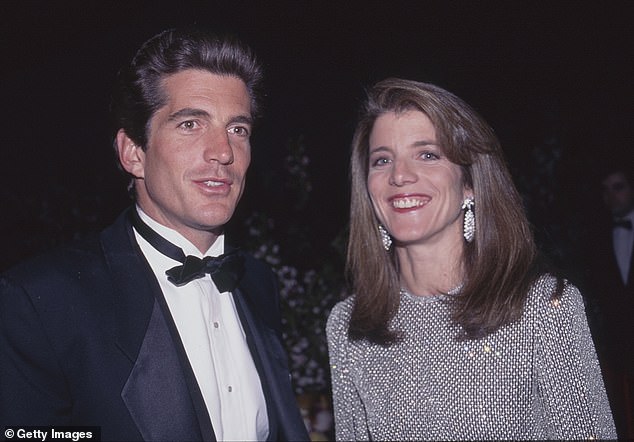
In the months following Patrick's death, the Kennedys grew closer, publicly displaying affection that had been absent during earlier years of their marriage. This renewed bond was partly responsible for Jacqueline's decision to accompany Kennedy on his campaign tour of Texas, an event that would culminate in his assassination on November 22, 1963, in Dallas. Historians and biographers have since speculated that the grief over Patrick's death deepened the emotional weight of Kennedy's final days, though this connection remains a subject of debate.
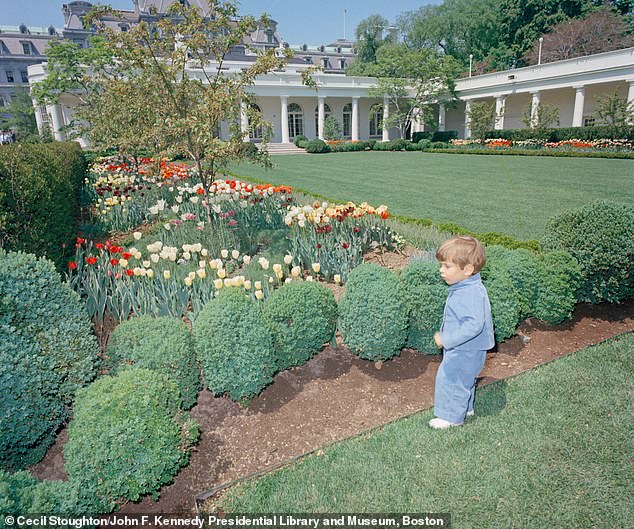
Kennedy's personal anguish over Patrick's death also catalyzed a significant policy shift. By the time of his assassination, he had allocated $800,000 in federal funding for research into hyaline membrane disease, a condition that had contributed to Patrick's respiratory failure. This investment, equivalent to over $8 million in today's currency, laid the groundwork for future advancements in neonatal care. Additionally, Kennedy signed spending packages totaling $594 million (approximately $6.1 billion in modern terms) to support maternal and child health initiatives, emphasizing his commitment to addressing the challenges faced by premature infants and their families.
The medical team that treated Patrick, including Dr. Peter Liebert, a 27-year-old resident at Children's Hospital, played a crucial role in this legacy. Liebert later wrote a heartfelt letter to the Kennedys, expressing his sorrow over Patrick's death. Kennedy's response, acknowledging the efforts of the medical staff, underscored his growing advocacy for infant health care. Decades later, the impact of these early interventions became evident: survival rates for premature infants born at 34 weeks with lung ailments improved from approximately 50% in the 1960s to over 95% today, thanks in part to advancements inspired by Patrick's case.
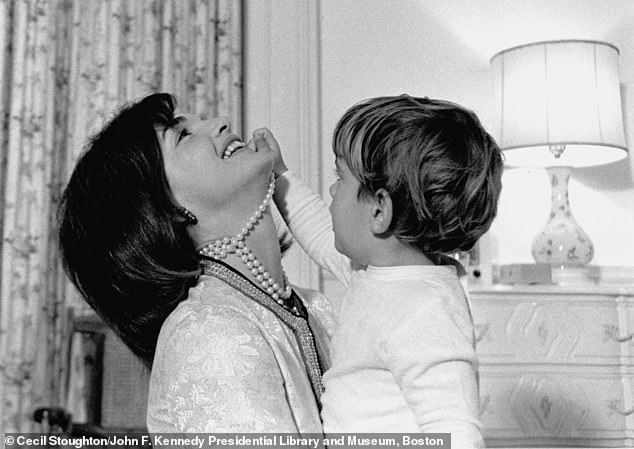
The story of Patrick Bouvier Kennedy, as detailed in Steven Levingston's *Twilight of Camelot*, highlights the intersection of personal tragedy and public policy. His brief life not only reshaped his father's approach to family and leadership but also left a lasting imprint on medical science. The legacy of Patrick's struggle continues to resonate, as seen in the personal accounts of individuals like Holly Jordan, whose son's survival was a testament to the progress Kennedy helped initiate. This narrative, though rooted in sorrow, also reflects the enduring power of compassion and policy to transform lives.
Photos