Catherine O'Hara's Tragic Death Sparks Urgent Warnings About Under-Diagnosed Blood Clot Condition
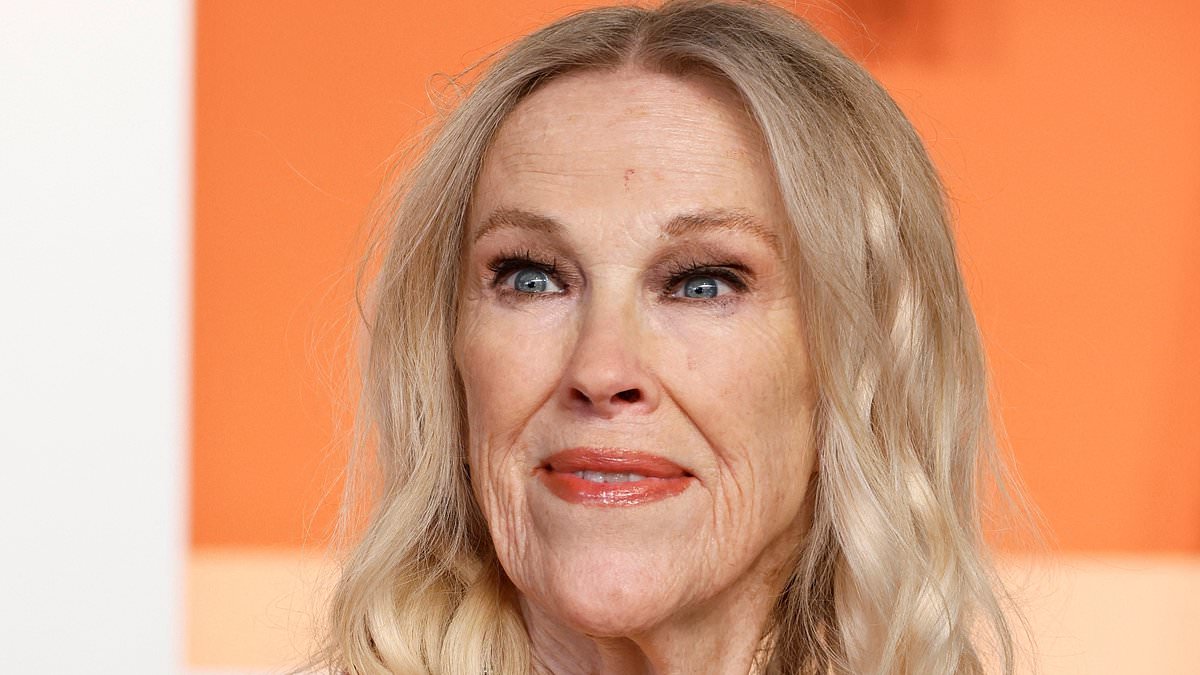
The tragic death of Catherine O'Hara, the beloved Hollywood actress best known for her roles in *Home Alone* and *Schitt's Creek*, has sparked urgent warnings from medical experts about a deadly but under-diagnosed condition that often goes unnoticed until it's too late. The 71-year-old star died last month after being admitted to hospital with severe breathing difficulties, ultimately succumbing to a pulmonary embolism—a blood clot that had lodged in her lungs. The coroner's report revealed that the clot had formed as a deep-vein thrombosis, a condition where clots develop in the legs or pelvis before traveling to the lungs. This alarming case underscores the critical need for patients to recognize the subtle and often overlooked symptoms of the condition, which claimed the lives of nearly 3,000 Britons annually, according to statistics.
Professor Rasha Al-Lamee, a leading cardiologist at Imperial College London, has sounded the alarm about the dangers of misdiagnosis and the importance of early detection. She explained that while the signs of a large pulmonary embolism are typically unmistakable—characterized by sharp chest pain, a racing heart, and severe breathlessness—smaller clots often present symptoms that are easily mistaken for less serious ailments. These include fatigue, breathlessness, and a gradual decline in exercise capacity, which patients may attribute to aging or general poor health rather than a life-threatening condition.
The story of Emily Chesterton, a 30-year-old Manchester-based actress who died in 2023 after being misdiagnosed with anxiety, serves as a chilling example of how this condition can be overlooked. Emily had presented to an NHS worker with calf pain, a swollen and hot leg, and increasing difficulty walking. Her symptoms were dismissed, and she was not taken to A&E for immediate treatment. A coroner later ruled that timely intervention could have saved her life. This case, along with O'Hara's, highlights the stark reality that even when symptoms are present, they can be misinterpreted, with devastating consequences.

According to Professor Al-Lamee, pulmonary embolism is not a random occurrence. It is influenced by a range of risk factors, some of which are more common than people realize. One of the most significant risks is having cancer, which increases the likelihood of developing a pulmonary embolism by sixfold. This may have been a crucial factor in O'Hara's case, as her death certificate revealed she was also battling rectal cancer at the time. Cancer cells alter the body's clotting mechanisms, making the blood more prone to forming dangerous clots that can travel to the lungs. Other risk factors include pregnancy, smoking, obesity, and recent surgery, all of which contribute to the likelihood of deep-vein thrombosis.

To reduce the risk of a pulmonary embolism, Professor Al-Lamee emphasizes the importance of lifestyle changes. Losing weight, quitting smoking, and avoiding prolonged periods of immobility—such as during long flights—are crucial. She specifically urged travelers to wear compression socks and take regular walks to prevent the development of clots in the legs. These steps, she said, can make a significant difference in preventing the condition from developing in the first place.
The impact of undiagnosed small pulmonary embolisms is a growing concern. Studies show that up to 400 patients in the UK die each year due to misdiagnosis, and these clots can persist for years, gradually worsening before they become life-threatening. Professor Al-Lamee noted that patients may not even realize they have a clot until it's too late, often only noticing a decline in their physical capabilities or the appearance of blood-stained phlegm. For this reason, she stressed the need for greater public awareness and more vigilant medical attention to subtle symptoms.

In the wake of O'Hara's death, experts are calling for a renewed focus on educating the public about the signs of pulmonary embolism. They argue that timely recognition and treatment can save countless lives. With the right precautions and a better understanding of the risks, the hope is that fewer people will suffer the same tragic fate as the *Schitt's Creek* star, whose legacy now serves as a sobering reminder of the dangers of this under-diagnosed condition.
Photos