Catherine O'Hara's Death Sparks Urgent Conversations on Rising Rectal Cancer in Younger Patients
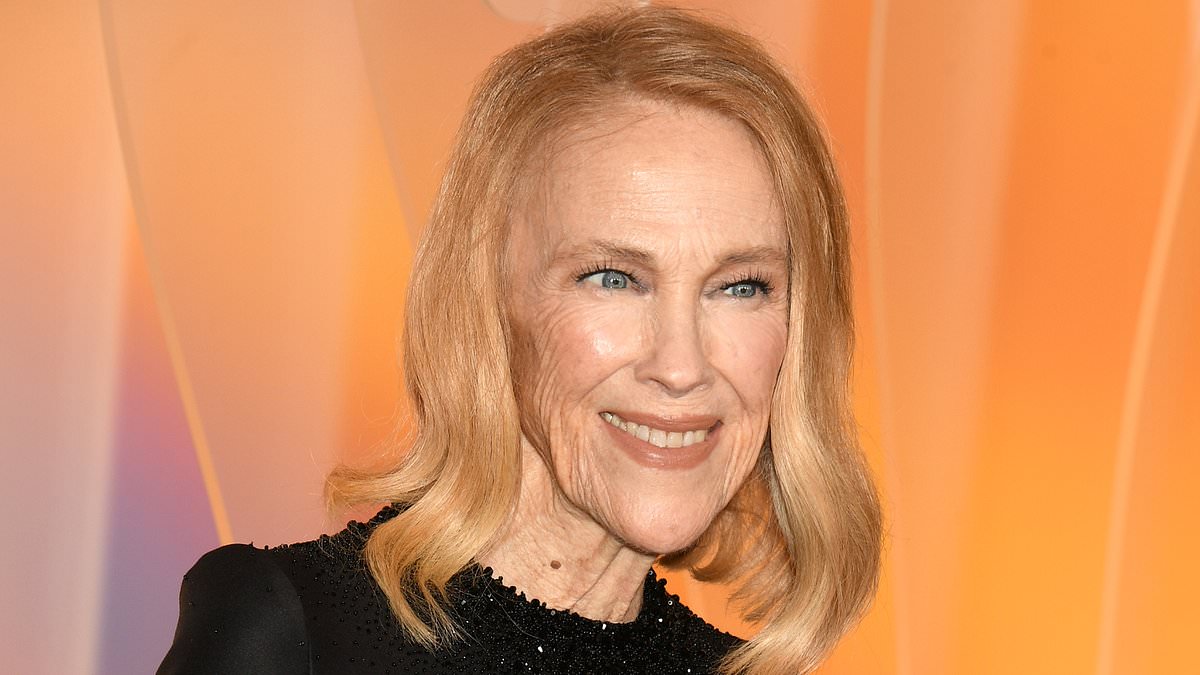
Catherine O'Hara's death has sent shockwaves through Hollywood and beyond. The beloved actress, known for her iconic roles in *Home Alone* and *Schitt's Creek*, passed away at 71 after a battle with rectal cancer that had gone undetected for years. While her immediate cause of death was a pulmonary embolism, the medical examiner's report revealed rectal cancer as the underlying condition. This revelation has sparked urgent conversations about why such a preventable disease can go unnoticed for so long, particularly among younger patients who often face skepticism from healthcare providers.

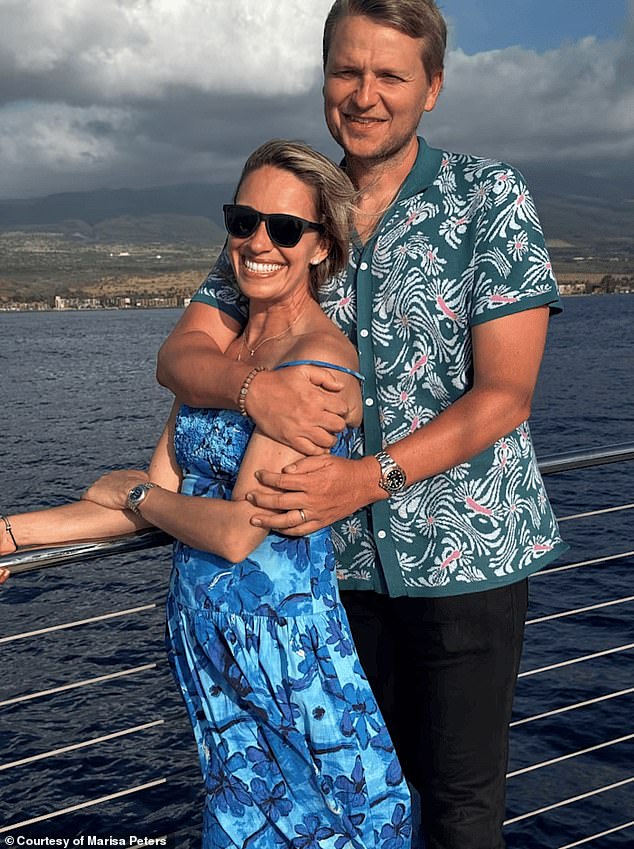
Rectal cancer, a form of colorectal cancer, begins in the rectum and is on the rise globally. For decades, it was considered a disease of older adults, but recent data shows a troubling trend: cases among young people are increasing rapidly. Marisa Peters, a 39-year-old mother and advocate, knows this all too well. Diagnosed with stage 3 rectal cancer in 2021, she endured five years of misdiagnoses and dismissed symptoms. Her journey began with blood in her stool, a symptom she initially assumed was related to her pregnancies. But as the blood became more severe—turning into thick ribbons and leaving her toilet bowl filled with "rotting flesh"—doctors continued to attribute her condition to postpartum complications.
Peters' experience highlights a systemic failure in how healthcare professionals approach young patients. When she finally consulted a gastroenterologist, the doctor was "deeply concerned" from the start. Yet both Peters and the physician made a critical error: the doctor framed the colonoscopy as a "choice," while Peters opted for an at-home stool test instead. The test came back positive, but Peters later regretted not undergoing the procedure sooner. "I didn't know anything about the rise of colorectal cancer in young people," she admitted, underscoring the lack of public awareness and education about this growing crisis.
Experts like Dr. Ryan Moore, a colon and rectal surgeon at Hackensack University Medical Center, warn that the increase in early-onset colorectal cancer is a public health emergency. He emphasized that symptoms like rectal bleeding, changes in bowel habits, and unexplained weight loss should not be dismissed as benign. "Historically, symptoms in younger adults might have been attributed to more benign conditions," Moore said. "But now, there's a lower threshold to investigate for colorectal cancer." The American Cancer Society estimates that 50,000 Americans will be diagnosed with rectal cancer in 2026, with nearly 55,000 deaths expected this year.

The statistics are even more alarming when focusing on younger populations. Between 2013 and 2022, colorectal cancer rates in those under 50 rose by about 3% annually, while death rates for those under 55 have increased by 1% each year since the mid-2000s. This surge has forced a reevaluation of screening guidelines, which historically recommended colonoscopies only for individuals aged 50 and older. Peters, who now leads the nonprofit *Be Seen*, stresses that this approach is outdated. "We need to change the narrative that young people can't get this disease," she said. "It's not just about me; it's about all the kids who could be affected."

Despite these challenges, there is hope. The five-year survival rate for rectal cancer has improved from 62% in 1995 to 67% in 2021, and early detection dramatically increases the chances of recovery. If caught locally, the survival rate jumps to 90%. Yet, many patients like Peters face long delays in diagnosis, often due to a combination of stigma, lack of education, and healthcare systems that fail to prioritize preventive care. "Don't stop being relentless until you're heard," Peters urges. "It's so important to advocate for your own health."
The rising incidence of colorectal cancer in younger populations also raises broader questions about lifestyle, environment, and policy. While factors like diet, obesity, and sedentary lifestyles are known risk factors, researchers are still uncovering the full scope of causes. New studies suggest links to childhood exposure to E. coli toxins and even marijuana use, though no single cause has been identified. Peters believes the answer lies in a complex interplay of factors, not a simple solution. "There's no silver bullet," she said. "But if we don't act now, the consequences for our communities will be devastating."
As the story of Catherine O'Hara and Marisa Peters unfolds, it serves as a sobering reminder of the human cost of delayed diagnoses and the urgent need for systemic change. Healthcare providers must be trained to take symptoms like blood in the stool seriously, even in younger patients. Public awareness campaigns should emphasize the importance of screenings and the risks of ignoring subtle signs. And policymakers must consider updating guidelines to reflect the realities of today's rising cancer rates. The time to act is now—not only for individuals like Peters but for the countless others who may be silently battling this disease without the support they deserve.
Photos