Cancer Survivors' Invisible Scars: The UK's Plan Fails to Address Long-Term Needs
Seven years ago, at the age of 39, I was diagnosed with stage 2 bowel cancer. I was declared cancer-free 18 months later, but the battle was far from over. For those of us who survive, the road to recovery is fraught with invisible scars — physical and psychological — that linger long after treatment ends. My story is not unique. Thousands of cancer survivors like me endure chronic pain, long-term complications, and a lack of coordinated support that leaves us stranded in a healthcare system designed to prioritize acute care over lifelong needs. Yet, as the UK government launches its ambitious National Cancer Plan for England, it has failed to address the urgent demands of those who have already fought and won — only to find themselves abandoned in the aftermath.
The plan, which aims to ensure that by 2035, three-quarters of patients diagnosed with cancer will be cancer-free or living well, is a welcome step forward in improving survival rates. It pledges £2.3 billion for early diagnosis, funding 9.5 million additional tests within three years, including new scanners, digital tools, and automated testing. These measures are critical for catching cancer earlier and saving lives. However, the plan's glaring omission lies in its neglect of survivorship care. In its 86 pages, there is little to no mention of how to support patients like me, who still grapple with the consequences of treatment years after discharge. This is a catastrophic failure for a system that claims to value the holistic well-being of patients, not just their survival.

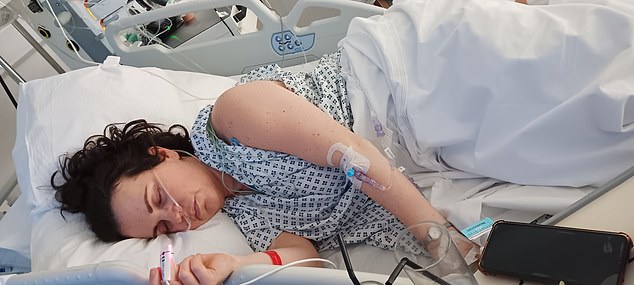
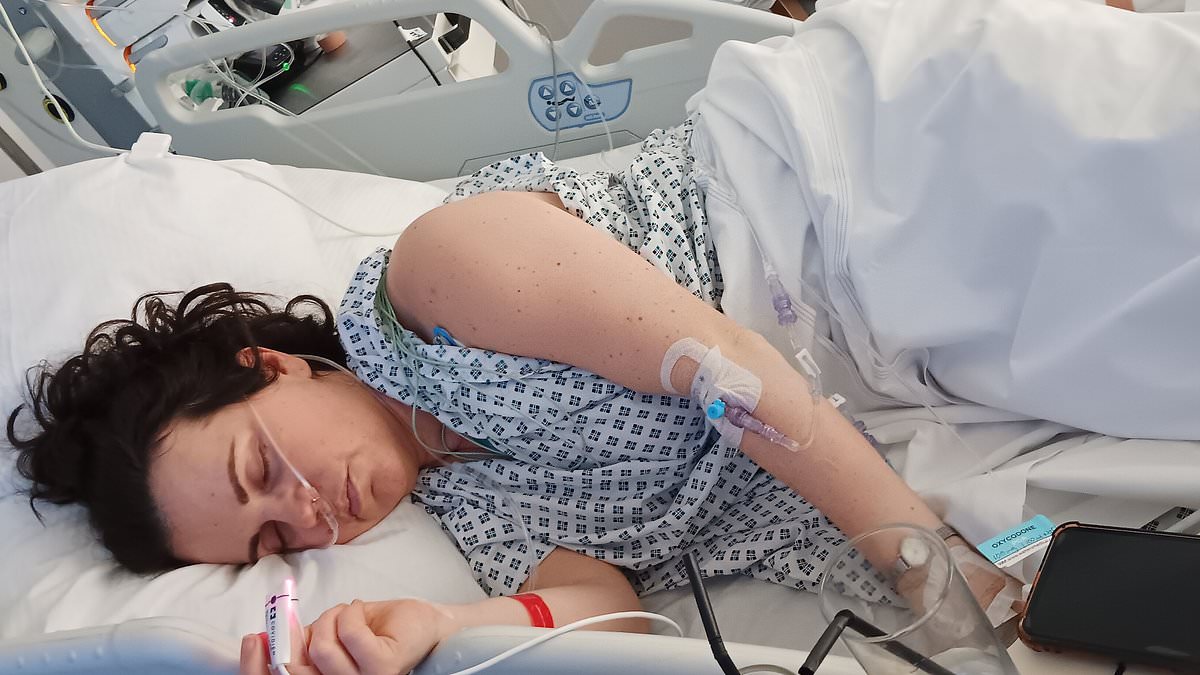
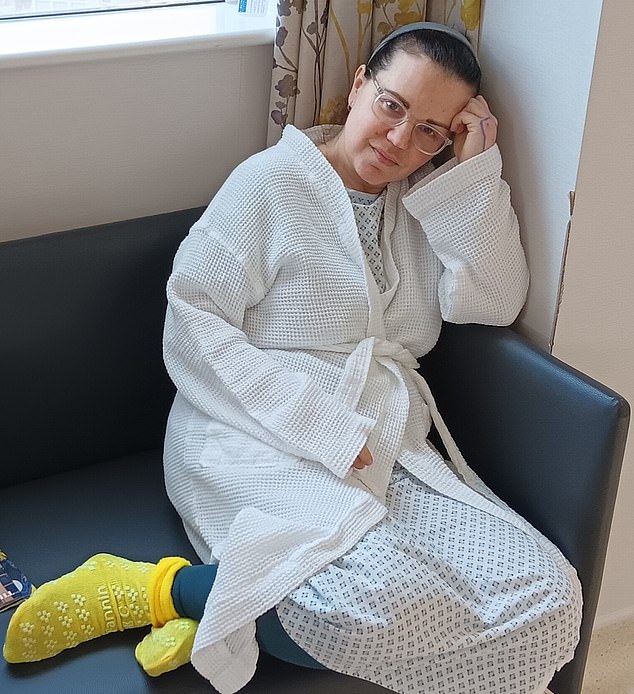
My experience with HIPEC chemotherapy, which delivered heated drugs directly into my abdomen after surgery, has left me with a body that feels like it is in constant battle. Scar tissue has fused my organs, my bowel is twisted like a knot, and my bladder is fused to my womb, which is entangled with my ovaries. Eating has become a chore, and going to the toilet is an excruciating, urgent ordeal, often requiring tens of trips in an hour. I stopped eating breakfast to endure the day, but even that didn't stop the pain or the vomiting. I managed for as long as I could until I could no longer function — leading to major surgery just weeks ago to remove my uterus and ovaries, to peel apart my bladder, and to separate the scar tissue binding my intestines. It took hours, involved multiple specialists, and left me in intensive care for a day. The emotional toll of returning to the operating room, where I once faced a real chance of death, was as heavy as the physical pain.
This is the reality for many. The plan mentions
Photos