Boston Officials Warn Against Frozen Charles River as Thrill-Seekers Ignore Shifting Ice Hazards
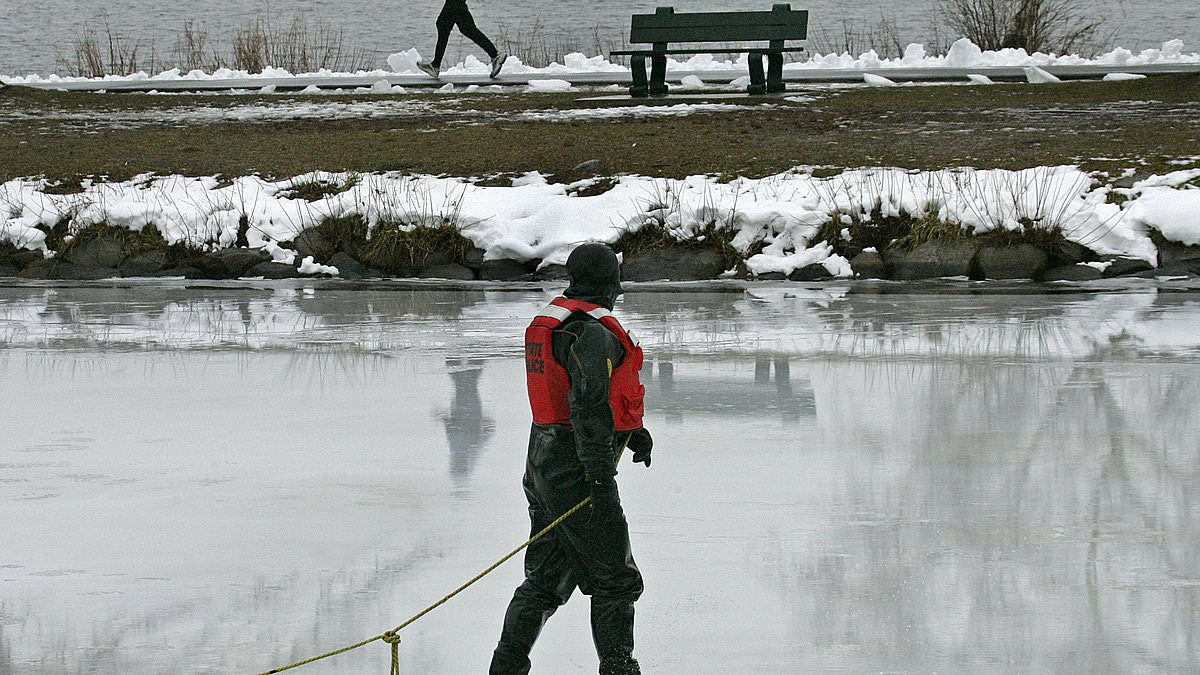
Boston officials have launched a renewed plea for residents to avoid the frozen Charles River, a 80-mile waterway that separates Boston from Cambridge and flows into Boston Harbor. Recent photos show locals skating, walking, and even cycling on the ice despite multiple warnings about the dangers of the river's unpredictable surface. The river, which borders Harvard University, has become a magnet for thrill-seekers during cold snaps, even as authorities stress the risks of its shifting ice conditions.
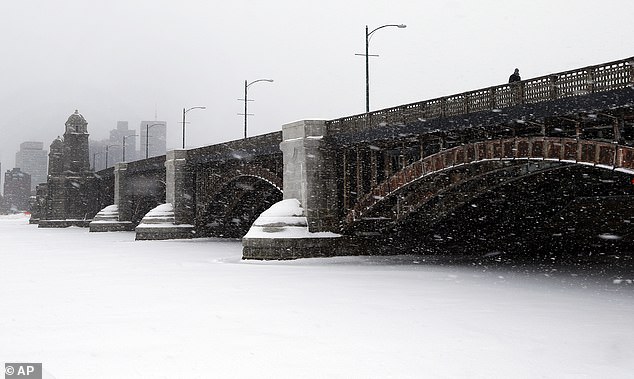
The Charles River's frozen surface appears solid, but the water beneath it continues to move, causing daily fluctuations in ice thickness of up to two feet. Laura Jasinski, executive director of the Charles River Conservancy, emphasized the peril of the situation. 'We want people to enjoy the Charles in every way possible,' she said, 'but safety must be the top priority.' Her comments come as officials have responded to multiple incidents this winter, including six calls to Cambridge Fire Department last year and a recent incident where state police ordered a man off the ice after he rode an e-bike across the river.
Local residents have shared their own encounters with the ice. Timothy Hutama, a marketing analyst, told the Boston Globe he watched three people walk halfway across the river before turning back. 'Maybe not the safest thing to do,' he said, adding he would never risk the same. His account reflects a broader pattern: even as warnings grow louder, the river remains a draw for those seeking a winter adventure.
The Charles River's history with winter recreation is storied. In the early 1900s, damming the river created conditions for popular skating parties during colder winters. However, a series of drownings and near-fatal incidents shifted public opinion, leading officials to discourage such activities. In 1985, MIT students made headlines when they placed a bed, desk, and chair on the ice for a prank, only to be ordered off by emergency responders. That same winter, a student died after falling through the ice, a tragedy that underscored the river's lethal potential.
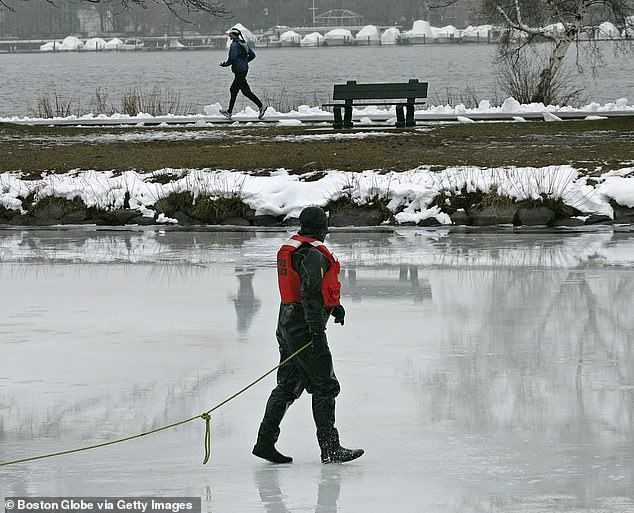
Recent years have seen similar incidents. In 2021, a cyclist filming himself on YouTube broke through the ice but managed to escape unharmed. These events highlight the recurring challenge of balancing public curiosity with safety. Officials continue to warn that snow cover can insulate the river, creating thin spots that are nearly invisible to the naked eye. 'Even during deep freezes, the ice can break without warning,' said Jasinski, a sentiment echoed by emergency personnel who have repeatedly responded to calls from the river's edge.
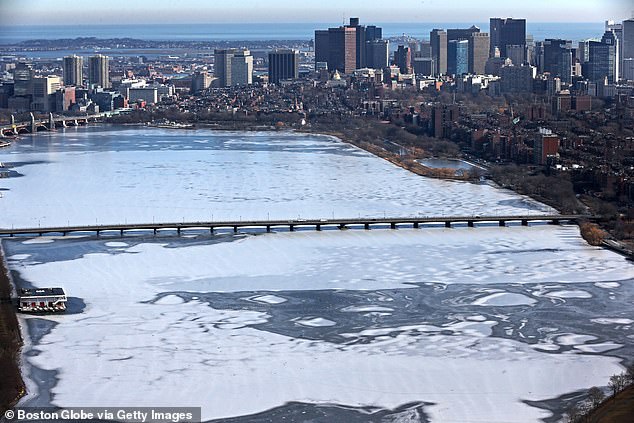
Despite these risks, some residents remain undeterred. Office workers along the Cambridge side report seeing people venture onto the ice regularly during cold spells. This pattern raises concerns for officials, who are now urging residents to heed warnings and avoid the frozen river. 'We want people to be able to use the Charles in as many ways as possible,' Jasinski reiterated, 'but safety is first, second, and third.' Her message is clear: the river's allure is undeniable, but its dangers are equally real.
Photos