BAFTA Promises Review After Tourette's Sufferer's Racial Slur at 2026 Film Awards
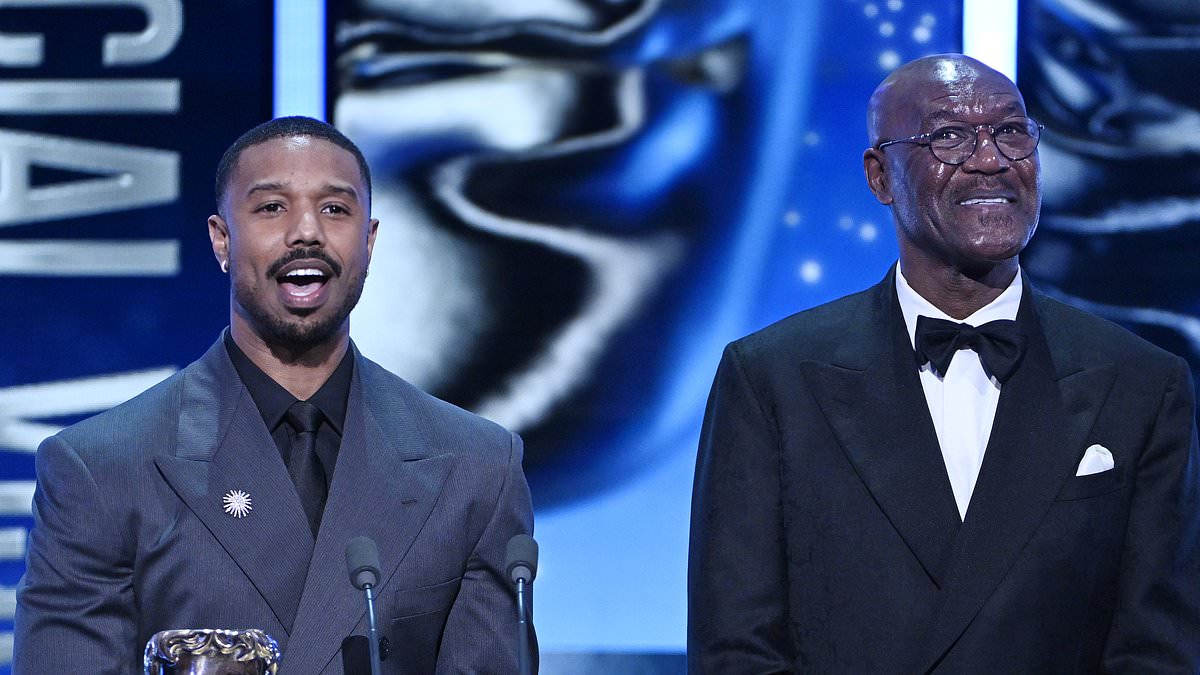
BAFTA has sent letters to its members, promising a 'comprehensive review' of its 2026 Film Awards ceremony after a Tourette's sufferer involuntarily shouted a racial slur at Black Hollywood stars during the event. The incident, which unfolded on Sunday at London's Royal Festival Hall, has sparked a heated debate about how institutions handle sensitive situations involving neurological conditions and public accountability.
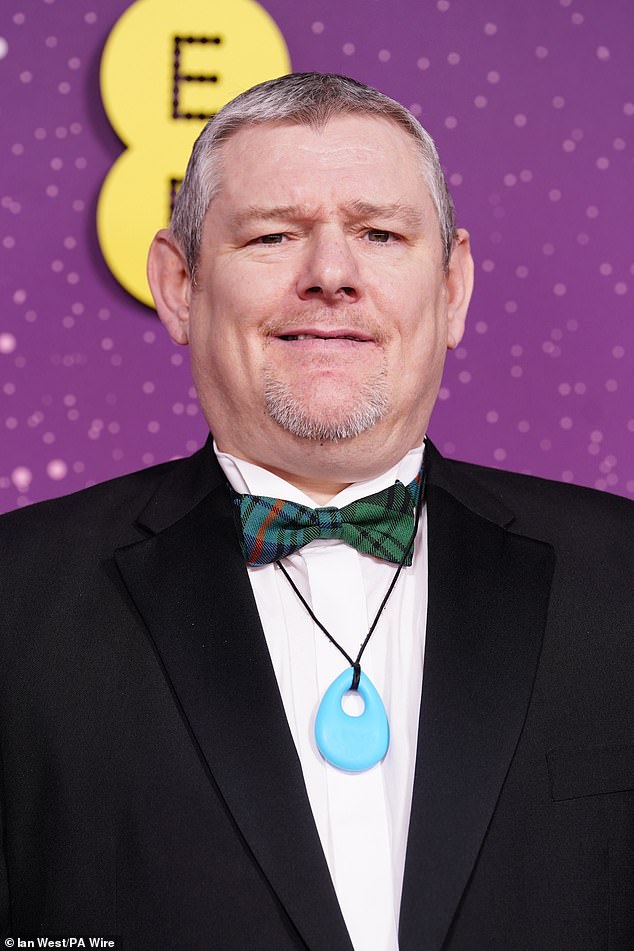
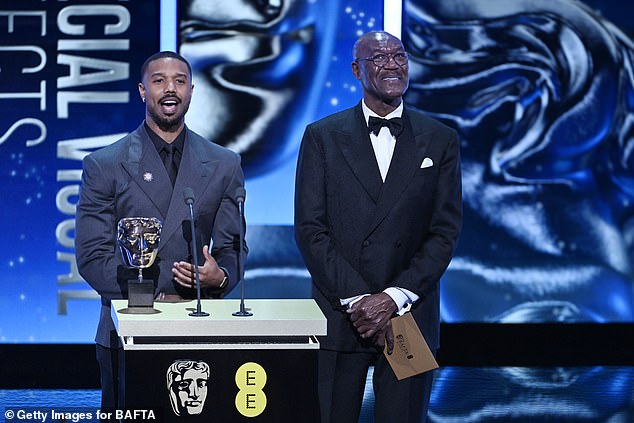
John Davidson, 54, a Scottish man whose life inspired the film *I Swear*, was seated near the stage when he shouted the N-word during a presentation by Michael B. Jordan and Delroy Lindo. Davidson, who has a severe form of Tourette's syndrome, has long struggled with uncontrollable tics that sometimes force him to utter expletives or offensive language. His outburst, which occurred in front of a live audience and was later broadcast by the BBC, has drawn sharp criticism from attendees and media outlets alike.
BAFTA's response has been swift, but not without controversy. In a letter to its members, the organization admitted it had placed guests in a 'difficult situation' and pledged to launch an in-depth review of its protocols. The apology came after Jordan and Lindo, who were presenting the first award of the evening, reportedly felt targeted by the slur. Lindo later expressed frustration, stating he wished BAFTA had addressed the incident directly with him and Jordan afterward.
The fallout has extended beyond BAFTA. Film-maker Jonte Richardson has announced he is stepping down as a BAFTA judge over the academy's handling of the incident. Meanwhile, Davidson, who has apologized repeatedly and described his outburst as a 'wave of shame,' has pointed to the placement of a microphone near him as a contributing factor. He told *Variety* that he believed offensive remarks would be edited out of the broadcast, a decision he now questions as he reflects on the auditorium's layout.
The BBC has also faced scrutiny for failing to edit the slur from the aired version of the ceremony. Despite the incident not being broadcast live, the racial slur remained on iPlayer for nearly 12 hours before being removed. A spokesperson for the BBC admitted it had not caught the slur during editing, citing a failure by the production team. The corporation issued an apology, acknowledging the language was involuntary but expressing regret for the oversight.
Davidson's situation has reignited discussions about the public's understanding of Tourette's syndrome. The charity Tourettes Action emphasized that tics are neurological and involuntary, urging the public to distinguish between symptoms and intent. 'People with Tourette's can say words or phrases they do not mean, do not endorse, and feel great distress about afterward,' the charity said. Davidson himself has stressed that his outburst was not a reflection of his beliefs, stating he has spent his life advocating for empathy and understanding toward those with the condition.
BAFTA has pledged to learn from the incident, reaffirming its commitment to inclusion and empathy in film and storytelling. The organization also thanked Jordan and Lindo for their 'incredible dignity and professionalism' during the event, while acknowledging the distress caused by Davidson's tics. However, questions remain about how institutions can better prepare for unexpected neurological events, particularly in high-profile settings where public perception and accountability are paramount.
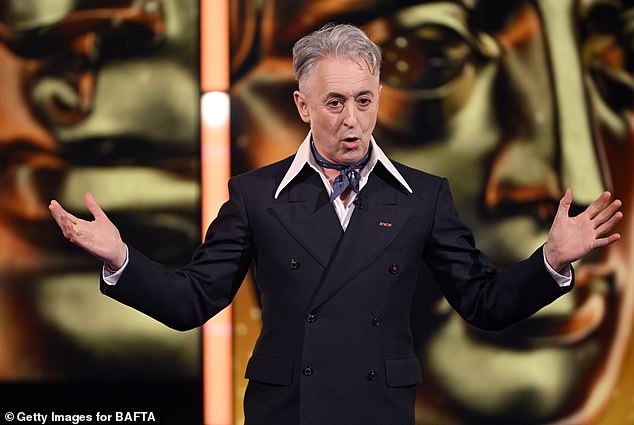
As the debate continues, Davidson has reiterated his gratitude for the support he received, including a round of applause from the audience after Alan Cumming, the ceremony's host, addressed the situation. Yet the incident has left a lasting mark, highlighting the thin line between medical condition and public scrutiny. For now, BAFTA's 'comprehensive review' stands as a symbolic step, but the real test will be in the measures taken to prevent such moments from happening again.
The incident has also raised broader questions about how media and entertainment industries handle sensitive situations involving neurological differences. With regulations and public expectations evolving, the pressure on organizations like BAFTA—and the BBC—to act swiftly and thoughtfully has never been higher. For Davidson, the focus remains on advocating for those with Tourette's, while the rest of the world grapples with the intersection of empathy, accountability, and the unpredictable nature of human condition.
Photos