Bad Bunny's Super Bowl Trophy Gesture Ignites Outrage After Child Identity Mix-Up
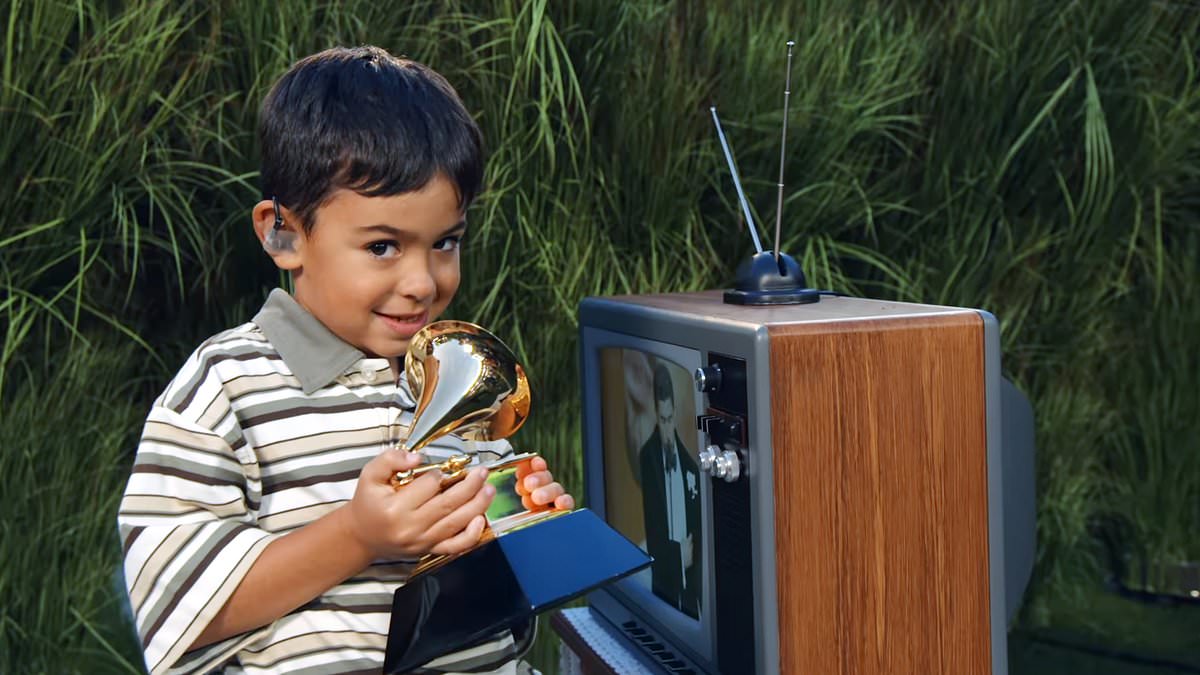
During the Super Bowl LX halftime show, Puerto Rican rapper Bad Bunny placed his hand on a young boy's head and handed him a trophy. Eagle-eyed fans immediately speculated that the child was Liam Conejo Ramos, a five-year-old who had been detained by ICE agents in Minneapolis on January 20. The moment, which captured global attention, sparked a wave of online reactions and political interpretations.
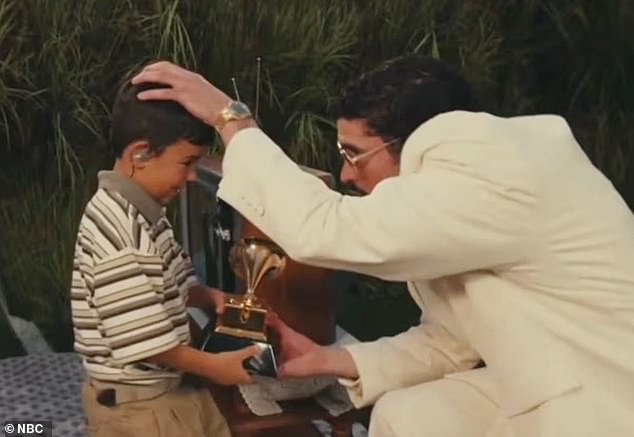
Huffington Post reporter Philip Lewis later identified the child as Lincoln Fox, a five-year-old from Costa Mesa, California, who is known for his acting work. Fans who believed the boy was Conejo Ramos took to social media to express outrage, with one user writing, 'Wait hold up... Did Bad Bunny just give his Grammy to Liam Conejo Ramos the poor kid who was kidnapped by ICE?' Others called the moment 'beautiful' or 'adorable,' viewing it as a symbolic gesture against Trump's immigration policies.
Liam Conejo Ramos and his father, Adrian Conejo Ramos, were detained by ICE and initially held in Texas before being released after a judge ordered their return to Minnesota. Images of the family being taken by agents sparked widespread public sympathy, with many demanding their release. Fans linked Bad Bunny's gesture to his previous 'ICE Out' remark at the Grammys, interpreting the halftime show as a second political statement against the agency.
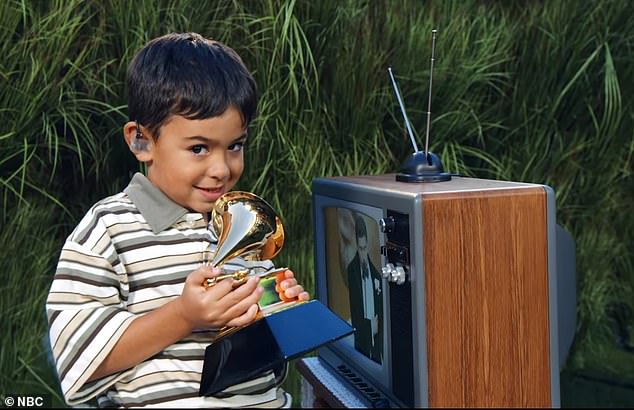
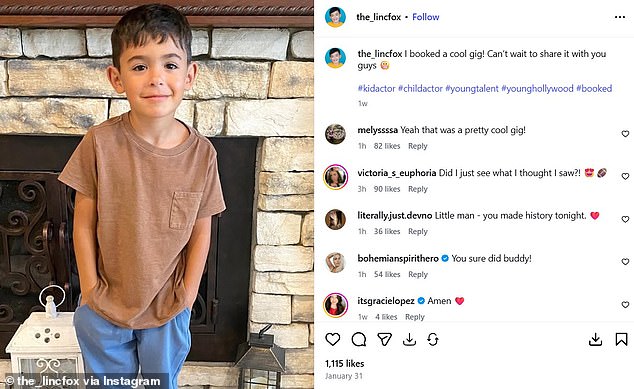
The confusion over the child's identity was further fueled by a sign reading 'Conejo' visible during Bad Bunny's performance. The word 'conejo' means 'bunny rabbit' in Spanish, but fans speculated it was a reference to Liam. Some believed the boy was playing the role of Bad Bunny's younger self, noting his similar clothing to the rapper's youth. Lincoln Fox, however, confirmed on Instagram that the boy in the show was him, not Conejo Ramos.
Not all fans interpreted the moment politically. Some argued that using a traumatized child in such a high-profile setting would be unethical. 'That environment would be too overwhelming for a 5yo just severely traumatized. This was the safer and ethical choice,' one user wrote. Others saw the performance as a message to Latino children watching, who might fear deportation.
Bad Bunny's halftime show also featured surprise appearances by Lady Gaga and Pedro Pascal, delighting audiences. However, not everyone supported his inclusion. President Donald Trump announced he would skip the Super Bowl, and White House press secretary Leavitt remarked, 'I think the president would much prefer a Kid Rock performance over Bad Bunny.'
Bad Bunny addressed the controversy during a Super Bowl press conference in San Francisco, stating, 'The world is going to be happy this Sunday, (as well as) the whole country.' He emphasized pride in one's heritage and identity, noting that people worldwide, not just Latinos, have supported his work. The rapper also highlighted the significance of representation, saying, 'Children having hope seeing representation, and symbolic of Liam.'
Meanwhile, other performers like Green Day, an anti-MAGA band, also took the stage, further cementing the halftime show's role as a platform for social and political commentary. The event underscored tensions between public sentiment and government policies, while also showcasing the power of celebrity influence in shaping cultural narratives.

Lincoln Fox's appearance, though unrelated to Conejo Ramos, became a focal point for discussions about immigration, art, and the ethics of using children in political statements. His parents, who are Argentinian and Egyptian, shared photos of their son, emphasizing his connection to the performance as a form of creative expression rather than activism. The incident highlights the complex interplay between art, politics, and public perception in a deeply divided era.
As the debate over Bad Bunny's gesture continues, it reflects broader societal divisions. While some view his actions as a courageous stand against Trump's policies, others caution against exploiting children for political symbolism. The story of Lincoln Fox and Liam Conejo Ramos serves as a reminder of the real-world consequences of such policies and the role of art in amplifying these issues.
For now, the Super Bowl halftime show remains a landmark moment, blending music, politics, and human stories in a way that continues to resonate across social media and beyond.
Photos