Ava Maria University Measles Outbreak: 57 Cases Confirmed Amid Nationwide Surge
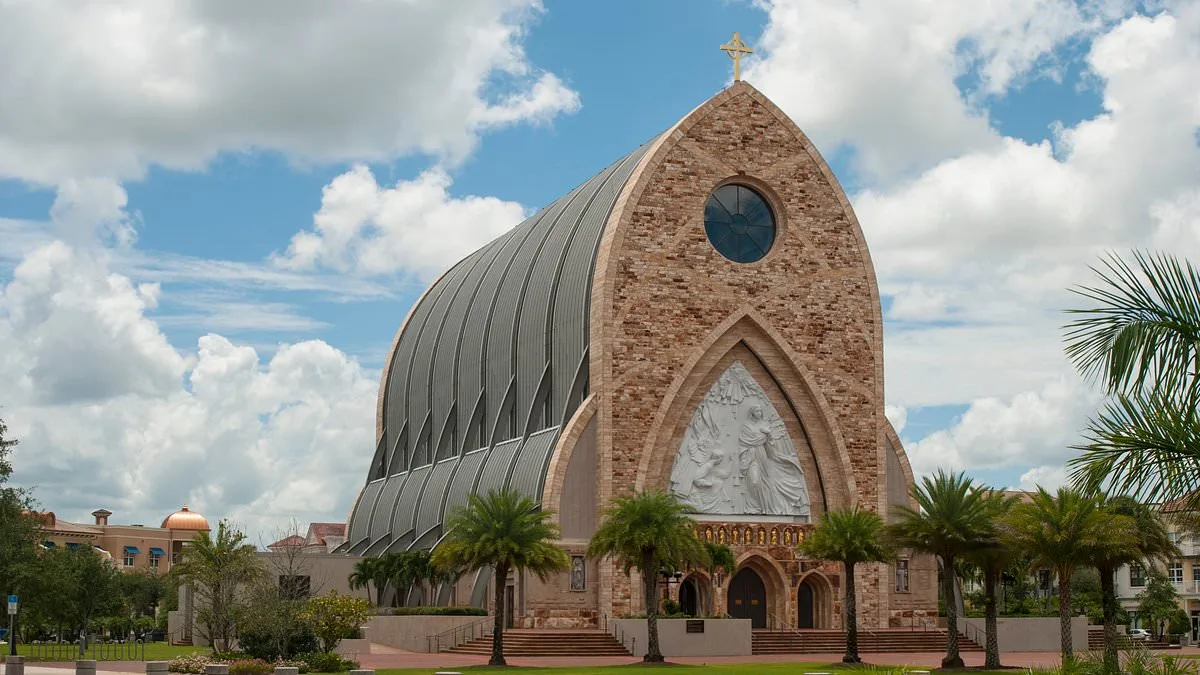
Dozens of measles cases have been confirmed at Ava Maria University in south Florida, marking a sharp escalation in a nationwide outbreak that has infected nearly 800 people this year. Officials at the private institution announced Wednesday that seven students with active measles infections were identified this week, bringing the university's total cases to 57 since the start of the semester last month. The Florida Department of Health (DOH) and Healthcare Network (HCN) have deployed medical teams to the campus, providing on-site care and coordinating with the university's health clinic to address the crisis.
The DOH is conducting aggressive contact tracing and exposure assessments, working to isolate those at risk while ensuring infected students receive comprehensive medical support. University officials emphasized that the 50 students infected in the last month have passed the four-day contagious period and now possess natural immunity. However, the number of vaccinated students remains unclear, despite claims that 'the vast majority' of the 1,300-student population has received both doses of the measles, mumps, and rubella (MMR) vaccine.

The outbreak occurs against a backdrop of a historic surge in measles cases across the United States. As of early 2026, 842 infections have been reported nationwide, with 605 cases concentrated in South Carolina alone. Florida has seen 68 confirmed infections so far this year, according to DOH data. Federal statistics reveal that 93 percent of Americans have received both MMR doses, falling short of the CDC's 95 percent herd immunity threshold. Florida's vaccination rate has declined from 93 percent before the pandemic to 89 percent currently.

Ava Maria University requires all students to provide proof of MMR vaccination or submit a signed waiver acknowledging the risks of the disease. The two-dose MMR vaccine, which is 97 percent effective, is typically administered between ages 12–15 months and 4–6 years. Measles spreads through airborne droplets and is contagious for up to eight days per infected individual. Symptoms include high fever, cough, runny nose, and the characteristic blotchy rash that begins on the face and spreads downward. In severe cases, complications like pneumonia, encephalitis, and permanent neurological damage can occur.
Public health experts warn that measles can devastate immune systems, leaving children vulnerable to secondary infections. While the disease is rare in vaccinated populations, outbreaks are increasingly linked to declining immunization rates. The CDC reports that 15–20 percent of encephalitis cases caused by measles are fatal, with 20 percent of survivors suffering long-term disabilities. As the university and state agencies race to contain the spread, officials urge unvaccinated individuals to seek immediate medical attention and emphasize the urgency of maintaining high vaccination coverage to prevent further outbreaks.

The Florida DOH has issued advisories urging residents to verify their vaccination status and avoid crowded public spaces. With measles now a global health concern, local responses are critical to halting its spread before it spirals into a wider epidemic. Students at Ava Maria University are receiving meals, housing, academic accommodations, and spiritual care as part of the university's multifaceted response to the crisis.
Photos