At 86, Elaine Dorland Keeps the Nursing Home Clean, One Floor at a Time

Elaine Dorland, an 86-year-old widow in Wyandotte, Michigan, rises every morning at 4:30 a.m., coffee in hand, to begin a grueling 12-hour shift cleaning a nine-story nursing home. Her days are a relentless cycle of vacuuming, mopping, scrubbing bathrooms, and climbing ladders to clean windows—all while grappling with the physical toll of age and a laundry list of health issues. The sight of her small frame moving across the floors, her back aching from rods implanted years ago, has become a familiar scene for staff and residents alike. 'Cleaning is part of my life here. Plus, I have to,' she says, her voice steady despite the weight of decades of hardship.
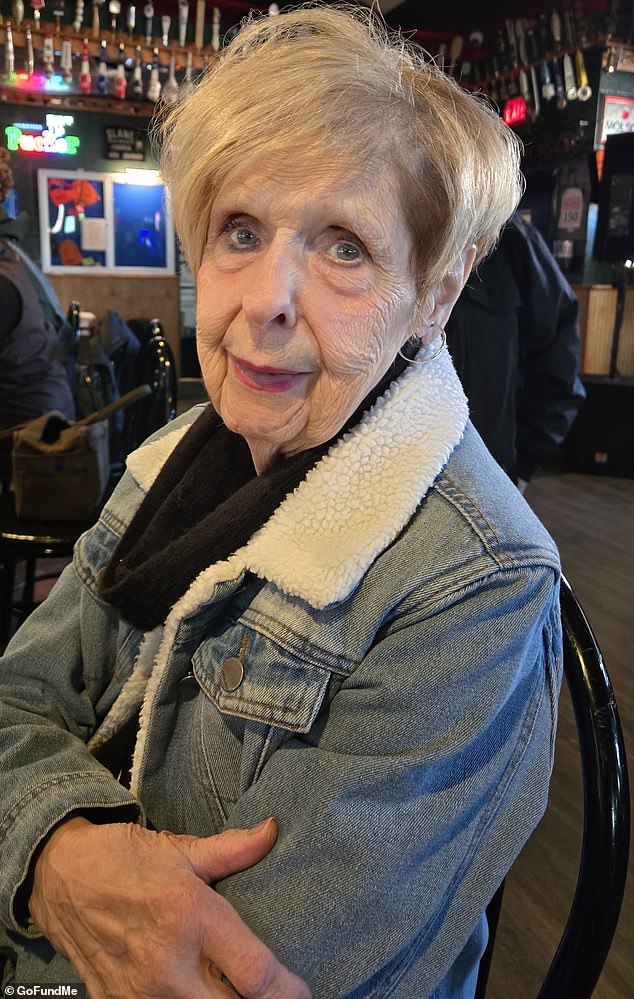
Dorland's story is one of survival. Her husband, Roger, a marine and self-employed plumber, died two years ago from kidney failure. Nine months later, her son succumbed to a heart attack. The dual tragedies left her financially adrift, forcing her to continue the labor-intensive work she has done since she was 12 years old. 'We all worked hard in my family,' she tells WXYZ, her eyes glinting with quiet defiance. 'So, if I have to keep working, I'll keep working.' Her husband's meager social security payments, a legacy of his decades of backbreaking labor, are insufficient to cover even basic living costs. The arithmetic of survival is stark: every hour she spends scrubbing floors is another hour she cannot spend grieving, another dollar she can add to her meager savings.
The nursing home where she lives and works has become both a sanctuary and a prison. For 20 years, it has been her second home, a place where she finds solace among residents who, like her, face the fragility of old age. Yet the physical demands of her job have worsened in recent years. Arthritis gnaws at her joints, a torn rotator cuff limits her reach, and the rods in her back whisper reminders of past injuries. 'There's times I don't want to be here,' she admits through teary eyes. 'We thought of ending it together, seriously.' The loneliness of loss—of a husband and son who once filled her days with laughter—haunts her, even as she polishes floors with mechanical precision.

Sue Wery, a Wyandotte resident, has become a lifeline in Dorland's latest battle. Last week, Wery launched a GoFundMe campaign with a bold goal: to help the 86-year-old retire. 'She's proud and never asks for help,' Wery writes on the fundraising page. 'She's the kind of person who gives everything she has, even when she has very little.' The campaign has already raised over $50,000 in eight days, a testament to the community's response to a tale of resilience and quiet sacrifice. Wery's words echo a sentiment shared by many: it is time to let this woman rest.

Dorland, however, remains reluctant to accept the outpouring of support. 'I didn't expect this. I don't think I'm worthy of it,' she says, her voice trembling. Yet the campaign's success underscores a broader conversation about the invisible labor of the elderly, the gaps in social safety nets, and the ethical imperative to ensure dignity in old age. Experts warn that prolonged physical labor at such an advanced age increases risks of chronic illness and mental health crises. 'This isn't just about financial support,' says Dr. Maria Chen, a geriatric care specialist. 'It's about recognizing the systemic neglect of caregivers and the elderly who are forced to work beyond their physical capacity.'

As the GoFundMe inches toward its $150,000 goal, Dorland's story has become a rallying cry for change. Her hands, calloused from decades of scrubbing, may one day finally rest. Until then, she continues her work, her eyes scanning the floors for imperfections, her heart carrying the weight of a life that has known little respite. For now, she endures. And in the quiet corners of the nursing home, the echo of her coffee cup clinking against the counter at 4:30 a.m. is a reminder of a woman who refuses to let life—not even death—dictate her terms.
Photos