Alex Murdaugh's Legal Team Launches Last-Ditch Bid to Overturn Sentence, Citing Clerk's Alleged Trial Influence
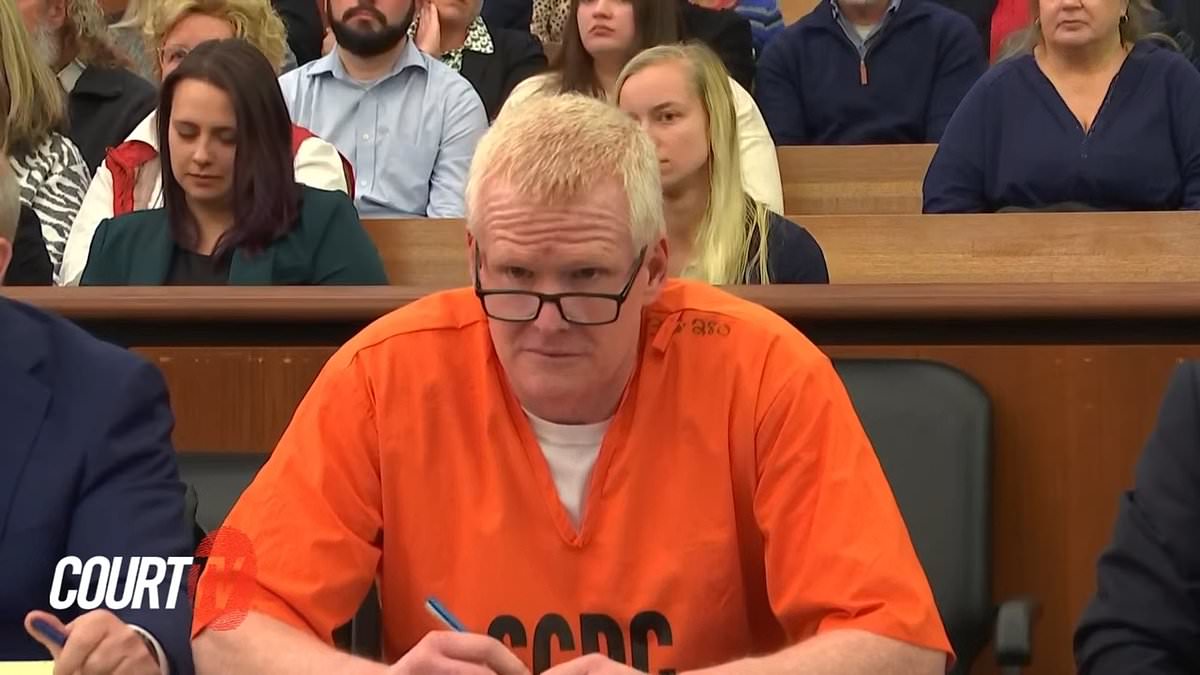
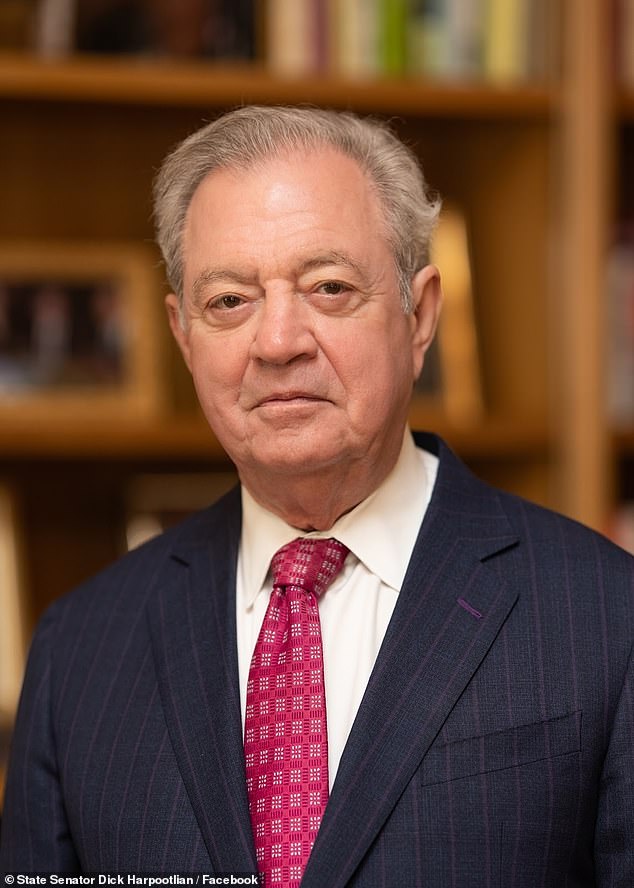
Nearly three years after his murder conviction, Alex Murdaugh's legal team has mounted a last-ditch effort to overturn his sentence, alleging that a former county clerk deliberately compromised the integrity of his trial. The defense, represented by attorney Dick Harpootlian, argued before the South Carolina Supreme Court that Mary Rebecca Hill, the former Colleton County Clerk of Court, influenced jurors through improper conduct that violated Murdaugh's constitutional rights. This claim comes as Murdaugh, serving two life sentences for the 2021 murders of his wife, Maggie, and son, Paul, faces a potential retrial amid mounting scrutiny over the trial's administration.
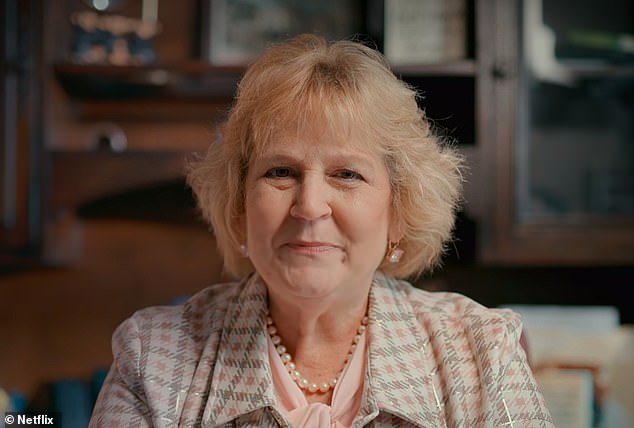
Harpootlian's argument centers on the notion that Hill's actions—allegedly driven by her ambition to write a book about the case—created an environment where jurors could not assess the evidence impartially. According to the defense, Hill allegedly made disparaging remarks about Murdaugh's courtroom demeanor, suggested the jury consider unproven ethics violations, and even praised the prosecution's case in the presence of jurors. These allegations, if true, could form the basis of a rare reversal in a criminal conviction, though the court must weigh the impact of such conduct against the overwhelming evidence against Murdaugh.
The controversy surrounding Hill's role emerged during the six-week trial, where she was responsible for managing the jury, overseeing evidence, and assisting the judge. Three jurors or alternates later told investigators they suspected Hill of attempting to sway their decisions, while 11 others denied any wrongdoing. Hill's alleged behavior, however, did not go unnoticed by the judiciary. South Carolina Supreme Court Justice John Kittredge called her actions 'improper,' though he stopped short of suggesting they warranted a reversal. 'There were top-notch attorneys on both sides and a rogue Clerk,' Kittredge stated, acknowledging the unorthodox conduct without declaring it sufficient to overturn the verdict.
Hill, now on probation after pleading guilty to misconduct, obstruction of justice, and perjury, has admitted to using her position to promote her book about the Murdaugh case on social media. Prosecutors, including Creighton Waters, have argued that Hill's comments to the jury were fleeting and did not overshadow the 'overwhelming' evidence against Murdaugh. They emphasized that the trial's outcome was determined by forensic data, witness testimony, and the sheer gravity of the crimes, not by Hill's alleged missteps. Yet the defense continues to press the court, framing the issue as a broader constitutional concern: 'If only the people who may be innocent get a fair trial, then our Constitution isn't working,' Harpootlian asserted.
The appeal also hinges on the defense's claim that the prosecution failed to present conclusive evidence linking Murdaugh to the murders. Harpootlian highlighted the absence of blood on Murdaugh's clothing and the unaccounted-for weapons as potential gaps in the case against him. These arguments, however, face an uphill battle against the weight of circumstantial evidence, including Murdaugh's own testimony and the financial crimes that preceded the murders. Even if the Supreme Court were to grant a retrial, Murdaugh would remain incarcerated for the 40-year federal sentence he received in 2023 for embezzlement and tax fraud.
As the court deliberates, the case underscores a rare intersection of legal ethics, public scrutiny, and the role of non-legal actors in high-profile trials. The outcome could set a precedent for how courts handle claims of external influence on juries, particularly when such claims are tied to the personal ambitions of individuals in positions of authority. For now, the fate of Murdaugh's conviction—and the integrity of the trial itself—rests with a judiciary tasked with balancing the rights of the accused against the demands of justice.
Photos