Affordable and Advanced: Google Pixel 9a Challenges Apple and Samsung with AI Tech Before Pixel 10a Launch
Google's Pixel 9a has emerged as a compelling contender in the mid-range smartphone market, offering a blend of affordability, cutting-edge AI tools, and a sleek design that challenges the dominance of Apple and Samsung. Launched in 2025 at £499, the device was initially priced £100 below Apple's iPhone 16e, a gap that has widened further as the Pixel 9a's price dropped to £399 by 2026. This makes it an attractive option for consumers seeking a high-quality phone without the premium price tag. As Google prepares to release the Pixel 10a at £499, the question arises: is the older model still worth considering?
The Pixel 9a's appeal lies in its ability to pack advanced features into a budget-friendly package. With a 6.3-inch display, two rear cameras, and over 30 hours of battery life, it caters to users who prioritize longevity and usability. The device runs on Android 15, powered by Google's Tensor G4 chip, which also underpins the flagship Pixel 9. This chip is crucial for the AI tools, such as Gemini, Google's chatbot, which competes with OpenAI's ChatGPT and has found a home on Apple's ecosystem as well. Jonathan Chadwick, MailOnline's Assistant Science and Technology Editor, who tested the Pixel 9a last year, notes that the phone's AI capabilities, particularly in photo editing, are a standout feature. 'The Magic Editor tool is undeniably powerful, allowing users to reposition subjects or erase unwanted elements with a few taps,' he says. However, he cautions that such AI-driven features 'undermine the art of photography and could contribute to misinformation if misused.'
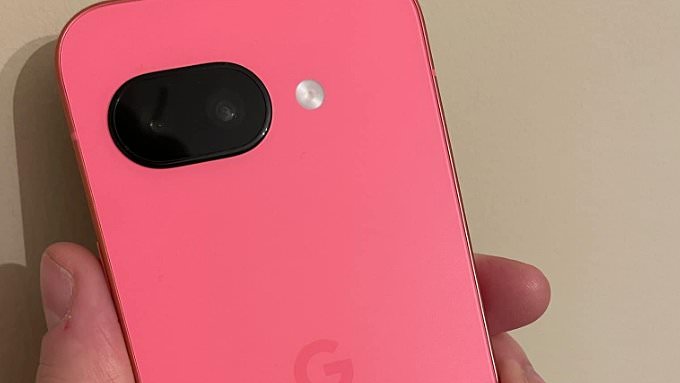
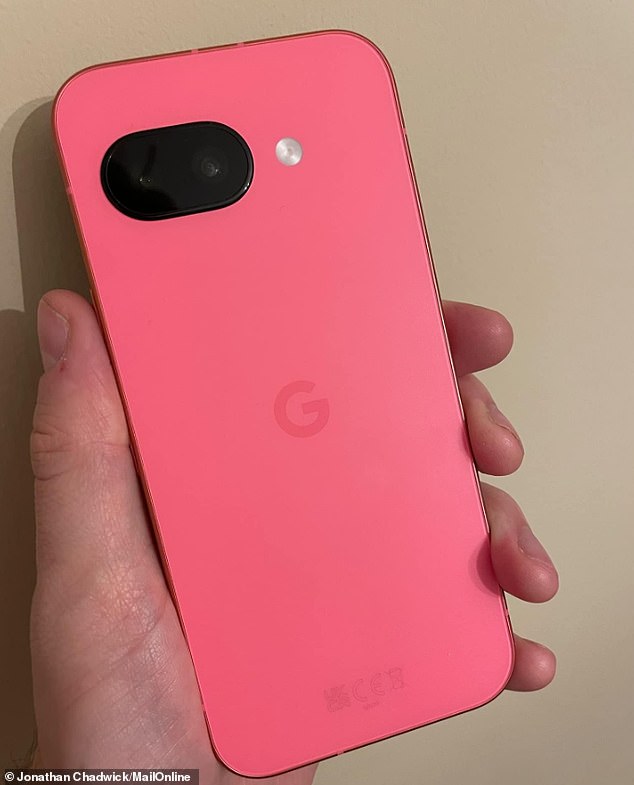
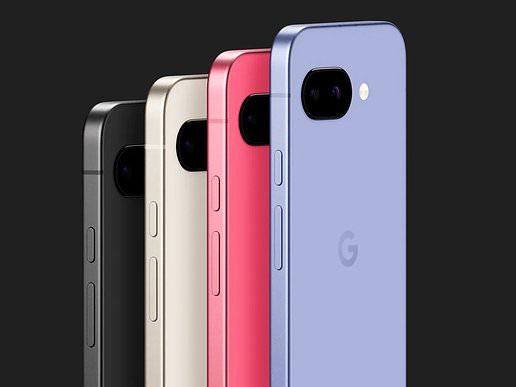
Design-wise, the Pixel 9a is a departure from its predecessor. The absence of the distinctive rectangular camera bar on the back, replaced by a pill-shaped module, is a nod to a minimalist aesthetic. The device comes in four color options—pink, purple, white, and black, or more poetically, 'peony,' 'iris,' 'porcelain,' and 'obsidian.' Chadwick, who chose the peony variant, admits it has drawn attention, likening him to 'MailOnline's biggest Barbie fan.' The use of recycled materials, including recycled aluminum and glass, aligns with Google's sustainability efforts, though the back panel uses plastic instead of glass to cut costs. This trade-off is a common debate in the industry: does practicality outweigh environmental impact? 'Google's choice to use plastic is a cost-saving measure, but it's a reminder that even eco-friendly phones can't escape compromises,' says a materials expert at the University of Sydney, who has studied smartphone sustainability.
The display on the Pixel 9a is another highlight. With a 2,424-by-1,080-pixel resolution, it matches the Pixel 9's screen and is 35% brighter than the Pixel 8a. However, the thick bezels and punch-hole camera for selfies are a departure from the sleeker designs of Samsung and Apple. Chadwick, who switched from a Samsung Galaxy phone, admits it took time to adapt to the gesture-based navigation system, which lacks customizable icons at the bottom. 'It's a minor inconvenience, but the extra screen space is a welcome trade-off,' he adds. The display's brightness and clarity are praised by users, with many online reviews citing it as one of the phone's strongest attributes.
Camera performance on the Pixel 9a is surprisingly robust for a mid-range device. The dual rear cameras—48MP main and 13MP ultrawide—deliver sharp, accurate photos even in low light. The AI software, particularly Magic Eraser and Magic Editor, enhances the experience, allowing users to remove objects or reposition subjects effortlessly. Parents, in particular, have praised the 'Add Me' feature, which combines group photos into a single image. 'It's a lifesaver for family portraits,' says one user, who tested the phone on a tech forum. However, the camera's performance pales in comparison to the Pixel 8 flagship, which still edges out the 9a in benchmark tests, though the latter's battery and screen improvements make it a more balanced choice for everyday use.

Battery life is the Pixel 9a's most significant selling point. With a 5,100-mAh battery, it claims over 30 hours of usage, a dramatic improvement over older Samsung models that drained power quickly. Google's new 'battery health assistance' software extends the battery's lifespan by adjusting voltage in stages, though this may result in slight decreases in runtime over time. For users who prioritize longevity, this is a crucial feature. 'I've gone three days without charging it, which is unheard of with my old phone,' says a user from London, who posted a review on Amazon UK. This reliability is a key factor for those who value convenience and minimal interruptions.
When compared to competitors, the Pixel 9a holds its own. Against the Pixel 8a, it offers a brighter screen, longer battery life, and slightly better performance. Against the Pixel 8 flagship, the 9a trails in raw speed but matches it in battery and display quality. Online reviews are overwhelmingly positive, with many users giving it 4+ out of 5 stars. 'It's one of the best phones at this price,' says a reviewer from California, who compared it to the iPhone 14 and Samsung Galaxy S23. However, the Pixel 10a, set to launch soon, introduces tougher glass, faster charging, and satellite SOS features, which may sway first-time buyers or those seeking the latest tech.
For now, the Pixel 9a remains a strong choice for those who don't need the newest features. Its combination of AI tools, battery life, and affordability makes it a versatile option. As Chadwick concludes, 'If you're looking for the cheapest way to get a high-quality phone, the Pixel 9a is still worth it. The 10a is a nice upgrade, but the 9a doesn't make you feel like you're missing out.' With Google's commitment to long-term software updates and sustainability, the Pixel 9a may prove to be a smart investment for the environmentally conscious and budget-savvy alike.
Photos