A Lifeline Before It's Too Late: The Case for Routine Heart Screenings in Young People

In a world where sudden death from undiagnosed heart conditions strikes without warning, a new study is urging a paradigm shift in how young people are treated. Experts argue that routine heart screenings could prevent hundreds of tragedies annually, offering a lifeline to those whose conditions remain hidden until it's too late. The research, funded by the charity Cardiac Risk in the Young (CRY), suggests that electrocardiograms (ECGs) could identify those at risk of sudden cardiac death—potentially saving lives before they even know they're in danger. But how many more young people must suffer or die before this becomes standard practice?

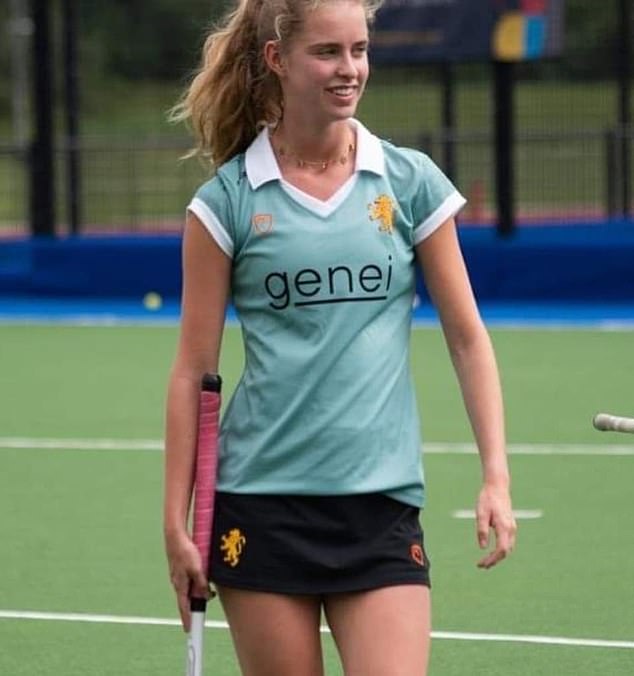
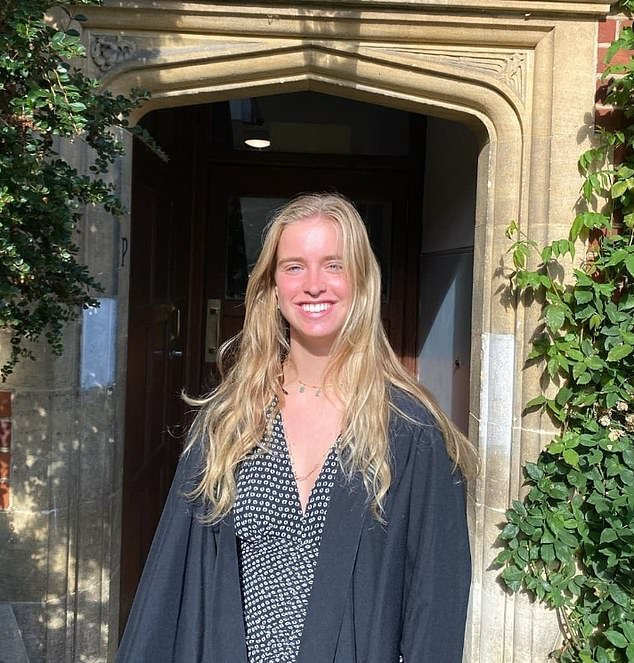
The story of Clarissa Nicholls, a 20-year-old Cambridge University student and athlete, underscores the urgency of the call. In 2023, she collapsed while hiking in southern France and died from arrhythmogenic cardiomyopathy—a condition where heart muscle is replaced by fat and scar tissue. Her death was a devastating blow to her family and a rallying cry for change. 'Why should only elite athletes and army recruits have access to life-saving screenings?' asks Hilary Nicholls, Clarissa's mother. 'This is about giving young people the ability to make informed choices.'
Clarissa's legacy lives on through 'Clarissa's Campaign,' a charity founded in her memory. The organization raises funds for annual heart screenings in Cambridge and southeast London, where Clarissa grew up. Each screening day costs around £7,000, yet the charity insists the investment is worth it. 'Every life saved is a victory,' says Hilary. 'We're not just screening for a condition—we're giving people a chance to live.'
The study, led by researchers at City St George's University, analyzed data from over 104,000 young people aged 14 to 35. Alarmingly, one in 300 had heart conditions that could lead to fatal outcomes if left untreated. Four in 10 of those identified received critical interventions, including implantable defibrillators, pacemakers, or even heart transplants. 'This is the most comprehensive examination of cardiac screening in young people to date,' says Dr. Steven Cox, CEO of CRY. 'The question is no longer if screening saves lives, but how many lives we can save.'
Despite the evidence, widespread screening remains rare in the UK. Currently, only elite athletes are routinely tested, fueled by a myth that physical activity exacerbates hidden heart conditions. But the study refutes this, finding no significant difference in sudden cardiac death risk between athletes and non-athletes. 'This is a breakthrough,' says Hilary. 'It's time to treat everyone equally, not just those in the spotlight.'
With one in 250 people in the UK estimated to have a genetic heart condition, the implications are staggering. CRY and the NHS are now working with 'Clarissa's Campaign' to expand screening programs. Yet challenges remain: funding, public awareness, and overcoming long-held misconceptions. 'We're not asking for miracles,' Hilary adds. 'We're asking for a chance to prevent tragedy.'
As the debate continues, one fact is clear: the cost of inaction is measured in lives lost. The question is no longer whether screening works—but whether society is ready to act.
Photos