4.7-Magnitude Earthquake Rattles Northern California, Triggers USGS ShakeAlert Warnings
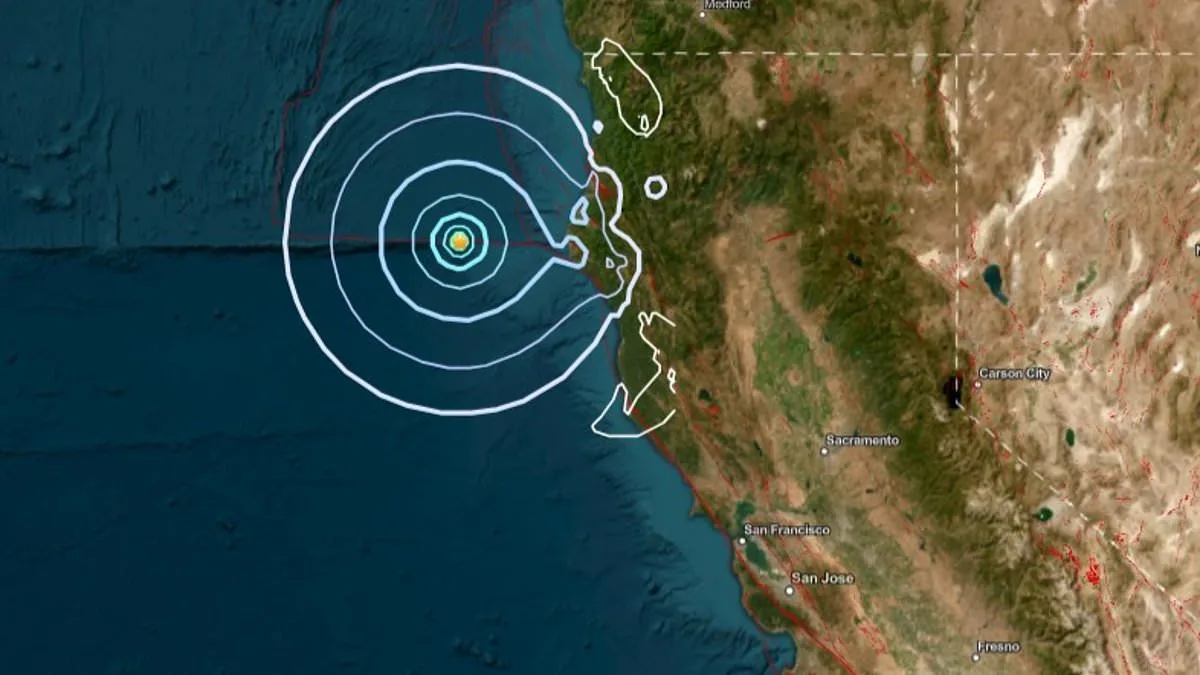
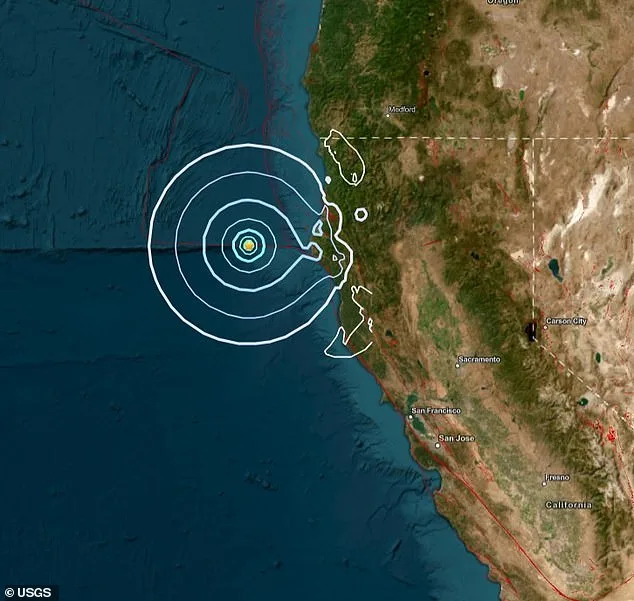
A 4.7-magnitude earthquake rattled Northern California on Thursday, sending tremors through coastal communities and triggering urgent warnings from the US Geological Survey (USGS). The quake struck at 4:49 a.m. PT (7:49 a.m. ET), approximately 70 miles offshore from Petrolia, a small coastal town. The USGS activated its ShakeAlert system, which is designed to notify residents when seismic activity of magnitude 4.5 or higher is detected and could cause significant shaking. This alert was one of the first in a series of warnings that left thousands of people scrambling to find safety in their homes and businesses.
The epicenter of the quake was located 190 miles west of Chico, a city with roughly 121,000 residents, and 65 miles west-southwest of Fortuna, a smaller town of about 12,000 people. Seismic data indicated the tremor originated along the Cascadia Subduction Zone, a 700-mile-long fault that stretches from Northern California to Vancouver Island, Canada. This fault is known for producing major earthquakes, including one of magnitude 8.0 or higher roughly every 400 to 600 years. The last recorded quake along this zone occurred in 1700, sparking concerns among scientists that the region could be on the brink of another catastrophic event.
Residents in several Northern California communities, including Eureka, Indianola, Kneeland, Hacketsville, and Rio Dell, reported feeling the tremor. The USGS confirmed that the quake was strong enough to be felt but did not result in any injuries or damage. This aligns with findings from Michigan Tech University, which previously determined that quakes with magnitudes of 2.5 or less are typically not felt, while those between 2.5 and 5.4 are often felt but rarely cause significant destruction. Despite the lack of immediate damage, the event has raised questions about the preparedness of coastal communities for a much larger earthquake.
The potential for a major quake along the Cascadia Subduction Zone has been the subject of extensive research. A 2025 study published by a team of geoscientists found that an 8.0 magnitude or higher earthquake, combined with rising sea levels, could cause coastal land to sink up to 6.5 feet within 30 minutes of the initial tremor. The researchers used tens of thousands of models to simulate the effects of such a quake, concluding that the most severe impacts would be felt in densely populated areas of southern Washington, northern Oregon, and northern California. This includes a dramatic increase in coastal floodplains, which could expand from 35 square miles to 116 square miles within a short timeframe.
The implications of this scenario are staggering. If an 8.0 magnitude quake were to strike today, the study estimates that an additional 14,350 residents, 22,500 structures, and 777 miles of roadway would fall within the expanded floodplain. This would more than double the area at risk of flooding, increasing exposure for communities that may not yet be fully prepared for such a disaster. The research underscores the urgent need for updated infrastructure, emergency response plans, and public awareness campaigns to mitigate the potential fallout from a major Cascadia earthquake.
While this week's quake was relatively minor, it serves as a stark reminder of the seismic risks that continue to loom over the Pacific Northwest. Scientists and emergency management officials are increasingly emphasizing the importance of preparedness, from reinforcing buildings to stockpiling supplies. The USGS and other agencies remain vigilant, using advanced monitoring systems to detect early signs of seismic activity. For now, the message to residents is clear: stay informed, stay ready, and remain alert to the signs of nature's power.
Photos