331 Days in the Hands of Pirates: A Sailor's Ordeal of Survival
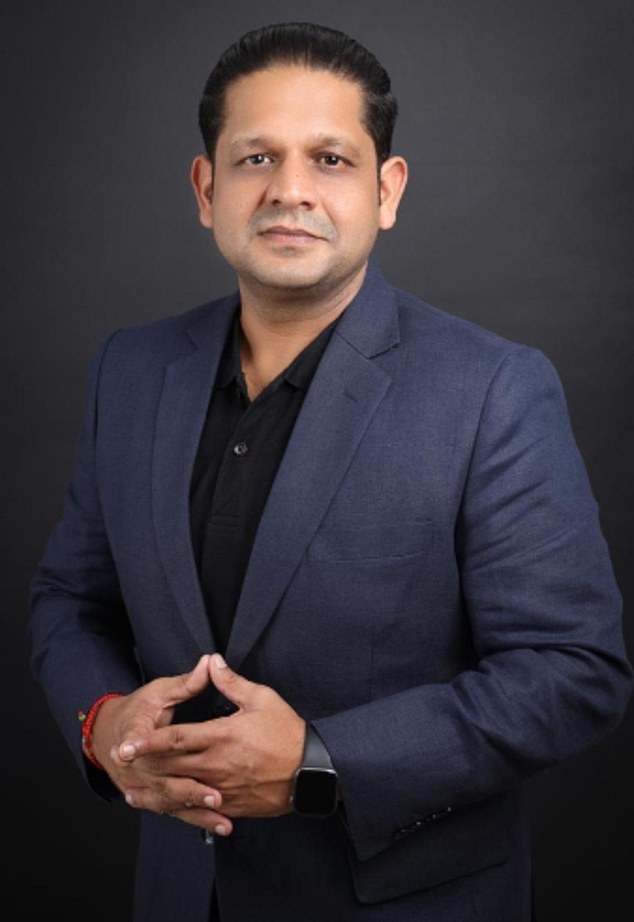
Pralav Dhyani's voice trembles as he recounts the moment a pirate's rifle pressed against his skull, the cold metal of the barrel searing into his consciousness. 'I was s***ting bricks as I waited for him to blow my brains out,' he says, his eyes narrowing as if the memory is still fresh. It was 2010, and the young sailor had just begun his first voyage aboard the RAK AFRIKANA, a merchant vessel bound from the Seychelles to Zanzibar. The journey was meant to be a rite of passage, a step into the vast unknown. Instead, it became a 331-day odyssey of terror that would haunt him for the rest of his life.
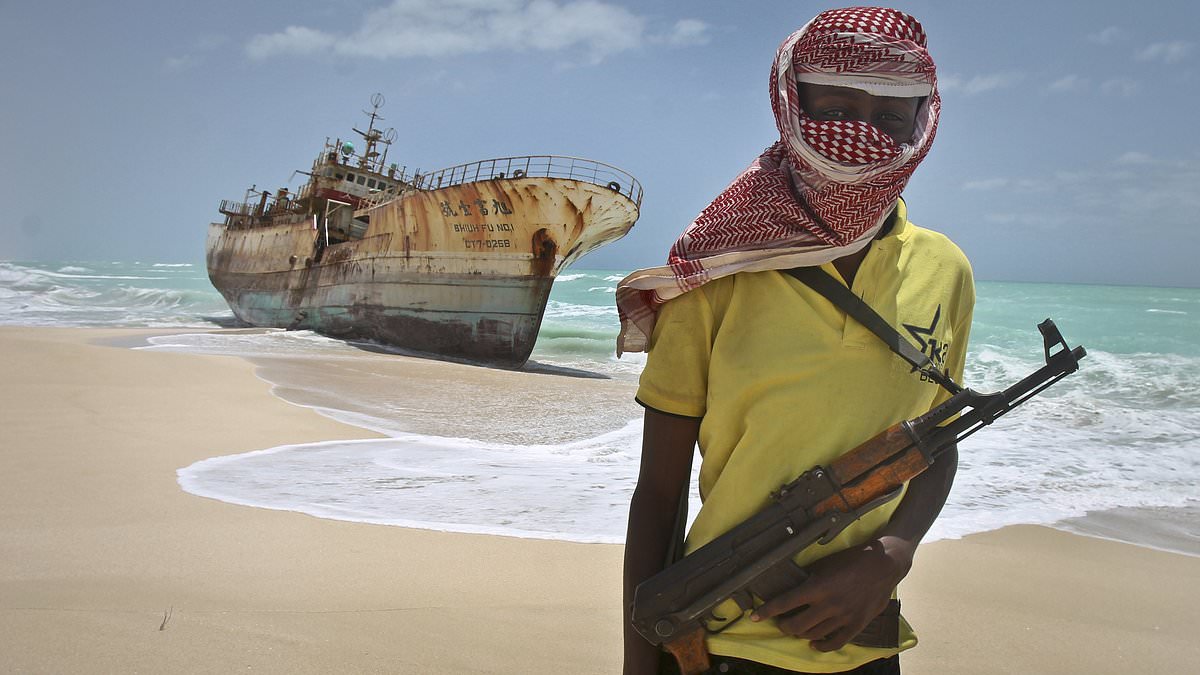
The attack came without warning. On a calm morning, the ship's engines failed, leaving it adrift in the Indian Ocean—a paradise for pirates. Small boats approached like vultures, their occupants armed and grim. Within minutes, pirates swarmed the deck, their AK-47s glinting in the sun. 'We were completely at their mercy,' Pralav recalls. 'They forced us to kneel on the bridge, guns to our heads. It was a lesson in power.' Fear, he says, was the pirates' weapon of choice. Every movement, every word, was dictated by the barrel of a rifle.
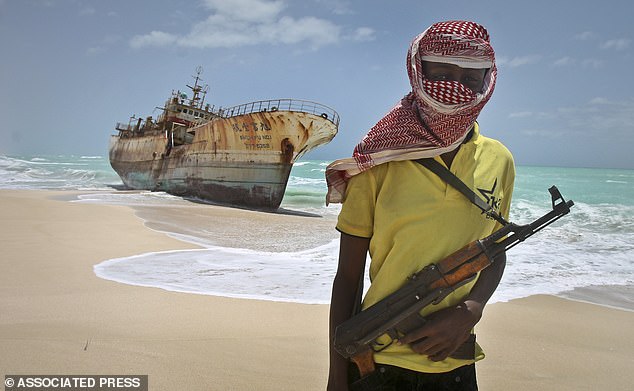
The first weeks were a nightmare of mock executions and staged violence. Pralav's memoir, *Hijack*, details a harrowing moment when a pirate aimed an AK-47 at his forehead. 'My heart was beating faster than ever,' he writes. 'I was s***ting bricks as I waited for my brains to leak out.' It wasn't just him; the pirates routinely fired into the air or at the ship's hull, using the sound of gunfire to terrorise the crew and demand ransom. 'We heard shots every day,' he says. 'It was all about creating fear.'
Survival became a grim game of endurance. Fresh water dwindled to a trickle, and fuel was rationed to keep generators running for a few hours a day. The ship's lights flickered out, plunging the crew into darkness. Air conditioning failed, doors were left open to stave off heat, and swarms of flies and mosquitoes descended. 'You'd have rashes everywhere,' Pralav says. 'Even using the toilet became a nightmare—buckets of seawater had to be hauled manually to flush the broken systems.'
Among the crew was the ship's cook, a man in his mid-50s who gradually withered under the strain. 'He lost hope,' Pralav says. 'He stopped eating, stopped speaking. He just wanted to die.' When the cook finally succumbed to illness, the crew faced an agonising decision: bury him at sea. 'There was no electricity, no way to preserve his body,' Pralav says. 'We had to toss him into the ocean. It was the only option.' The death, he says, marked a turning point. 'It made us all think—was this really worth it?' he recalls.
The ransom was paid in January 2011, and the sailors were freed. An Italian naval ship found them adrift in the Indian Ocean, their bodies gaunt, their spirits broken. 'They rescued us and took us on board,' Pralav says. The next day, they were transferred to another vessel and taken to Mombasa, Kenya. By then, Pralav had lost 25 kilograms. His face, once full of youthful optimism, bore the hollow eyes of a man who had stared death in the face.
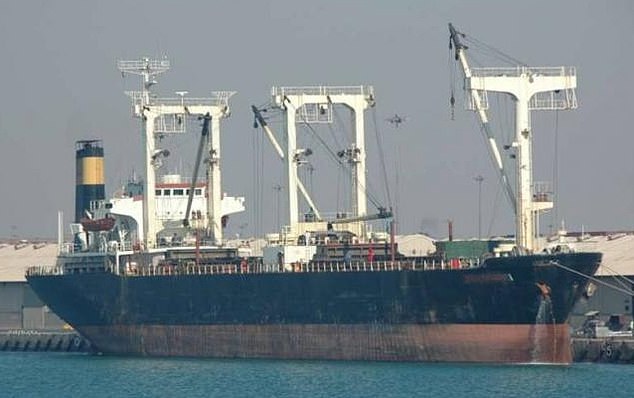
Pralav's ordeal was not unique. In 2009, the crew of a Greek-owned tanker were held hostage for 13 months after a ransom of $5.5 million to $7 million was paid. Three years later, the Dubai-owned MT Royal Grace was seized, its 22 crew members enduring similar torment. 'We were confined to a single room, forced to work for the pirates,' says engineer Pritam Kumar, another survivor. 'Food ran out, and tensions boiled over. One man lost nearly half his body weight.'
Experts warn that the psychological scars of such kidnappings can last a lifetime. 'These experiences shatter a person's sense of safety,' says Dr. Elena Torres, a trauma psychologist. 'Survivors often suffer from PTSD, depression, and chronic anxiety. The risk to mental health is profound, and communities must be prepared to support them.' Maritime experts argue that the root of piracy lies in Somalia's instability, where poverty and weak governance fuel the trade in ransom. 'Until the underlying issues are addressed,' says Dr. Mark Reynolds, a naval analyst, 'these attacks will continue to plague the high seas.'
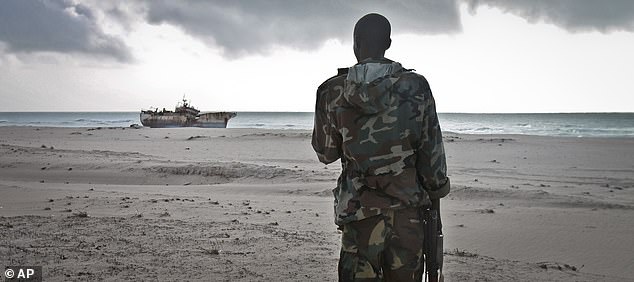
For Pralav, the journey back to normal life was agonising. 'I couldn't sleep. I'd wake up screaming.' He now works as a maritime consultant, advocating for better security measures on ships. 'We need more naval patrols, better training for crews,' he says. 'But most of all, we need to stop seeing sailors as pawns in a game of terror.'
As he speaks, the weight of those 331 days still lingers. Yet in his eyes, there is a flicker of resilience. 'I survived,' he says quietly. 'And I'm going to make sure no one else has to endure this.'
Photos