20 Camels Disqualified from Oman Beauty Pageant Over Banned Cosmetic Procedures, Sparking Ethical Debate
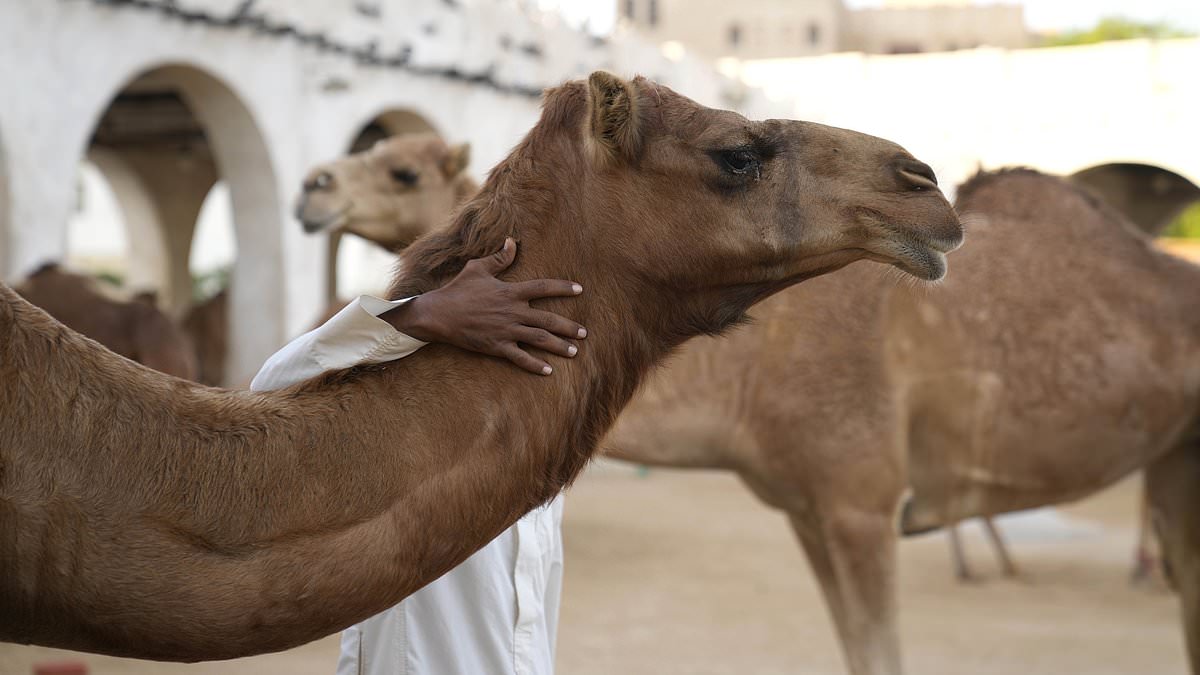
Twenty camels have been disqualified from a high-profile beauty pageant in Oman after veterinary officials uncovered banned cosmetic procedures, including Botox injections and silicone wax treatments. The incident has sparked a heated debate over the ethics of enhancing animals for competition, with critics warning that the trend risks devaluing the cultural significance of camel breeding. The pageant, held in Muscat earlier this year, is one of many across the Gulf States that celebrate Bedouin heritage and attract thousands of participants. But this year's event exposed a growing industry of illicit modifications aimed at boosting a camel's aesthetic appeal.
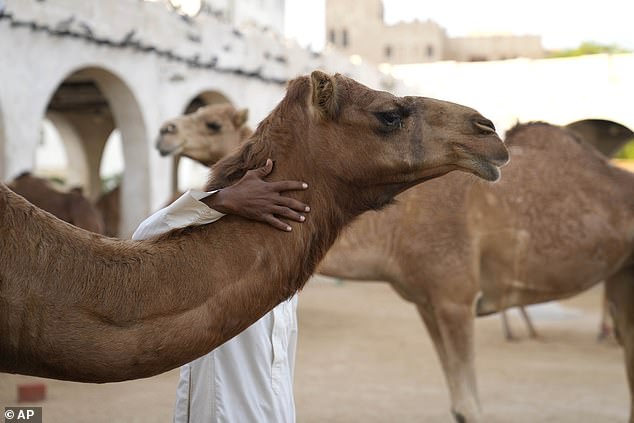
The disqualifications followed a covert investigation by veterinary experts, who used advanced imaging and chemical analysis to detect anomalies in the camels' bodies. Botox was found in the lips, noses, and jaws of 20 animals, while others had collagen fillers injected to inflate facial features. Silicone wax was also used to artificially enlarge humps, a practice that has become increasingly common in recent years. These procedures, though banned by competition rules, are part of a broader pattern of manipulation that has plagued camel pageants for over a decade.
The economic stakes are immense. Camel breeding is a multimillion-pound industry in the region, with prize money for winners often reaching hundreds of thousands of dollars. Breeders face immense pressure to stand out in a saturated market, leading some to seek shortcuts. Officials in Oman have vowed to crack down on the practice, citing a need to protect the integrity of the competitions. 'We are determined to halt all forms of deception,' said a spokesperson for the Camel Club, the organizers of the pageant. 'Penalties for violators will be severe, and we are working with authorities to enforce these measures.'
This is not the first time such scandals have emerged. In 2021, Saudi Arabia disqualified over 40 camels after judges used 'advanced' technology to detect Botox and other enhancements. The state-run Saudi Press Agency reported that thermal imaging and AI-driven scans were deployed to identify tampering, marking a significant shift in how these competitions are policed. Experts warn that the reliance on cutting-edge tools has created a cat-and-mouse game between breeders and regulators, with some allegedly developing more sophisticated methods of concealment.
The controversy raises urgent questions about the future of camel pageants. Animal welfare groups have called for stricter oversight, arguing that the pressure to conform to unrealistic beauty standards is harming the health of the animals. Others question whether the practice undermines the cultural traditions these events are meant to preserve. 'This is not just about money,' said one veteran breeder. 'It's about losing the soul of what makes these competitions meaningful.'
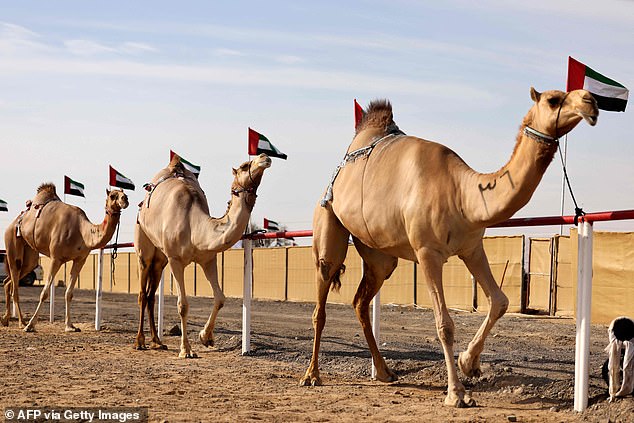
As the debate continues, the industry faces a crossroads. Some organizers have proposed introducing mandatory health screenings and transparency measures to deter unethical practices. But for now, the disqualification of 20 camels serves as a stark reminder of the risks that come with blending tradition, competition, and modern technology in an unregulated space.
Photos